
Care and propagation of the Columbine Meadow-Rue
At first glance, one might think the familiar foliage of the columbine has suddenly sprouted fluffy, purple fireworks. This fascinating optical illusion, however, belongs to the columbine-leafed meadowsweet (Meadow-rueIn practice, it often proves that those looking for low-maintenance perennials for partial shade will find the perfect solution in this plant, effortlessly transforming damp garden corners into floating, long-lasting clouds of flowers.
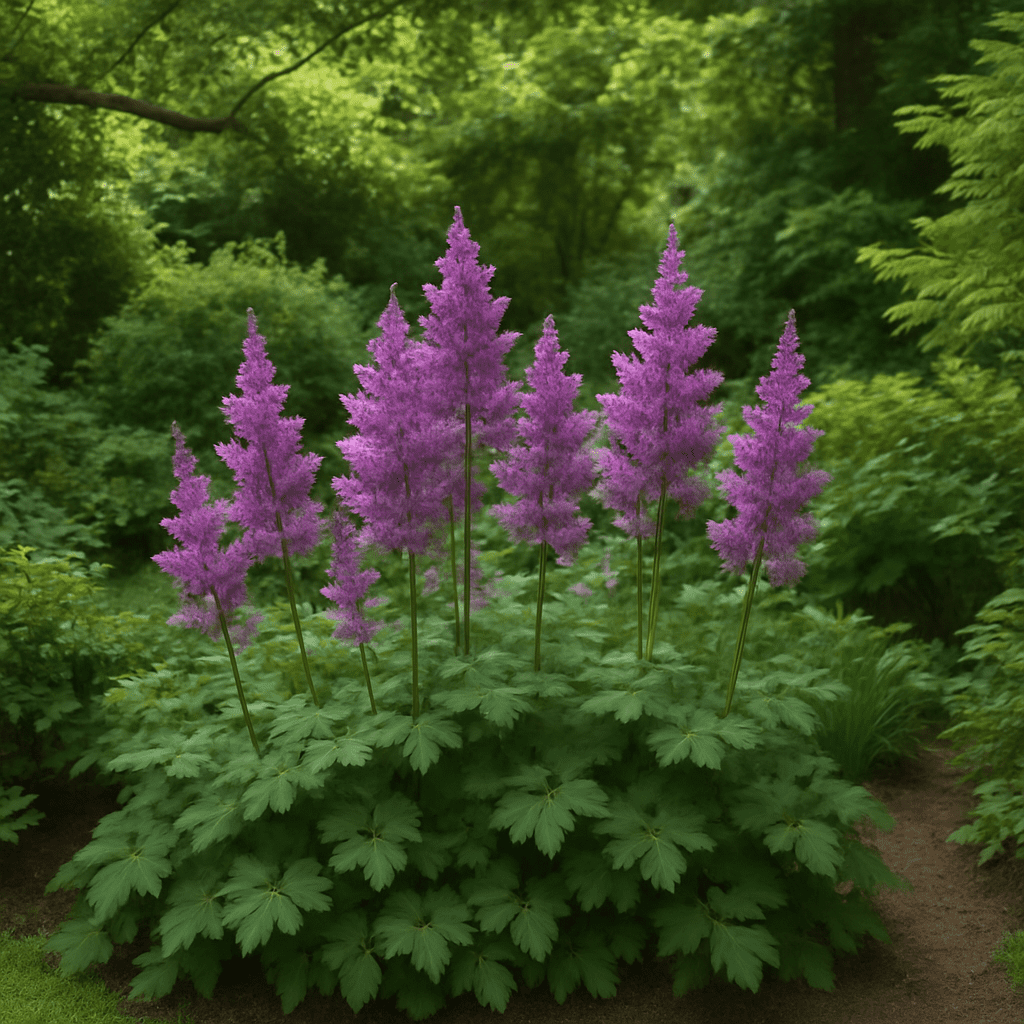
Why the Columbine Meadow-Rue Looks Like Purple Fireworks in the Shade
The delicate leaves are strongly reminiscent of a classic columbine. However, the true difference between columbine and meadow rue reveals itself high up at the top. Instead of ordinary flower crowns, this plant forms an inflorescence – a lush cluster of many small flowers that together appear like a floating, violet cloud.
The secret of this optical illusion is fascinating: The fluffy tufts are not real petals, but brightly colored stamens. The blooming period of Meadow-rue It extends from May to July. As delicate flower clusters for the natural garden, they then offer a colorful highlight and attract countless bumblebees. For this floating spectacle to succeed anew each year, we only need to replicate their natural woodland edge habitat in our home beds.
The ideal location and proper care
A perfect Meadow Rue Location imitates the edge of a sunlit forest, where tall trees provide protection from the bright midday sun. When planted correctly Thalictrum In the garden, this partial shade is vital for survival. A spot that's too hot quickly causes evaporative stress: that the Meadow rue leaves lost due to dryness, is a purely protective mechanism to save life-saving water.

For the forest illusion to succeed in your backyard bed and for the perennial to shine long-term, three simple care steps will help:
- Keep soil moisture: A protective mulch layer of compost stores water in the soil and prevents it from drying out quickly.
- Choosing plant neighbors: Companion plants for meadowsweet ferns or hostas complement the picture, as they love the same cool conditions.
- Strengthening If you the Pruning Meadow Rue after flowering, the plant remains visually well-maintained and directs its energy back into the roots.
Once this feel-good spot is created, the perennial rewards you with vigorous growth and can be easily propagated in subsequent years.
Reproduction and Security When Sharing
Once the perennial has established itself, it can be Propagate columbine by division. Many ask in advance: Is Thalictrum aquilegiifolium poisonous?Yes, the plant is slightly toxic. Therefore, always wear garden gloves when handling the rhizomes. For successful planting in spring or autumn, proceed as follows:
- Excavate Carefully lift the root ball out of the soil.
- Sever Split the rootstock in half lengthwise with a spade.
- Planting Reassemble the parts immediately and water thoroughly.
How to win more for free Insect-friendly plants for moist soils.
Long-lasting floral splendor for the natural garden
The columbine-leaved meadowsweet reliably enhances a semi-shady garden corner. This hardy, magnificent perennial for the edges of shrubberies continuously brings life to shadier bed areas with its delicate leaf structures and striking flower clusters. Those who respect its simple site requirements will establish a valuable and low-maintenance food source for native insects.