
The benefits of the Alpine currant for gardens
When it comes to greening darker corners of the garden, many hobby gardeners face a challenge. The alpine currant (Alpine currantis an absolute secret weapon for this. This native shrub has long proven itself, especially as a robust replacement for boxwood hedges in shady areas. But this plant can do much more.
Ribes alpinum: Easy Location and Care
Regarding Ribes alpinum location and care There is hardly a more undemanding shrub. The plant thrives excellently even where others give up. It is considered one of the best Shade-tolerant hedge plants for north-facing sides and grows effortlessly under the dense canopy of large trees. Since it is extremely Hardy deciduous trees for mountainous regions The shrub withstands icy temperatures without frost damage.

The question often arises: When is the best time to plant? Ideally, plant the shrubs in the ground in late autumn, when there is no frost, or in early spring. The Soil requirements and fertilization of mountain currants are pleasingly low. Normal, well-draining garden soil is perfectly adequate. A light layer of mature compost in spring covers all nutritional needs.
Growth and the right cut
Anyone planning a dense property boundary should optimal planting distance for low hedges Note. Plant approximately three to four plants per linear meter. The Annual growth and maximum height are well controlled: The plant grows about 15 to 30 centimeters per year and reaches a final height of 1.50 to 2 meters if left uncut.
The Alpine currant is extremely tolerant of shaping. A basic Pruning guide for ornamental shrubs suitable for pruning sounds like:
- It's best to trim the hedge in late winter (February) before it sprouts new growth.
- A light pruning at the end of June (around St. John's Day) will keep them in shape.
- Radical rejuvenation pruning into old wood is tolerated without problems.
A boon for local wildlife
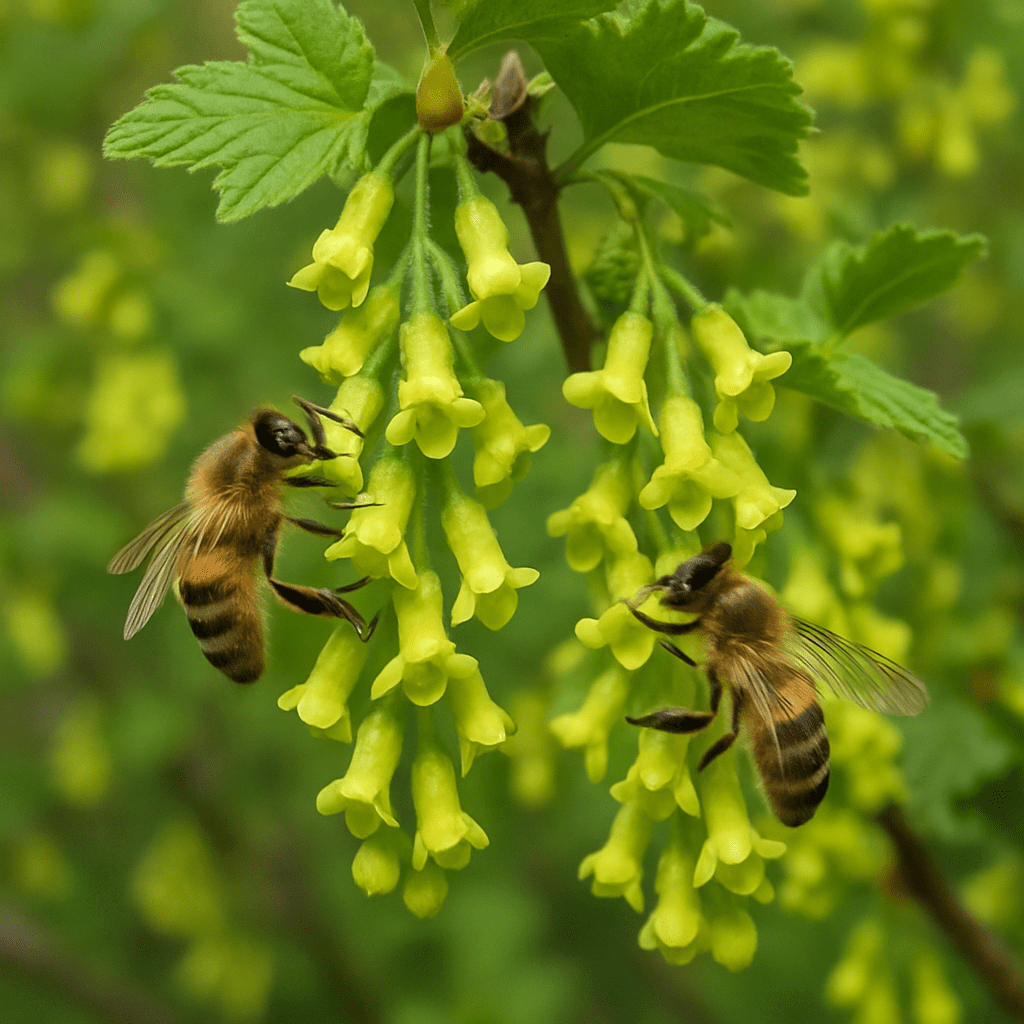
The Ecological benefits of *Ribes alpinum* for insects is remarkable. The inconspicuous, greenish-yellow flowers, which open in April, make the shrub one of the most valuable Bee-friendly shrubs for shady garden areas. Even birds love dense growth. If you have a Design a bird protection hedge with native wild shrubs offer ideal and protected nesting sites due to the dense branches.
Pest control is rarely an issue for this robust shrub. However, if pests do appear in the spring, you can Naturally combat aphids on mountain currants. Often, it's enough to spray the infested shoot tips with a strong jet of water or specifically encourage beneficial insects such as ladybugs and lacewings in the garden.
Berries: A visual spectacle – but are they edible?
As soon as the bright red fruits appear in the height of summer, families in particular wonder: Are the berries of the mountain currant poisonous? The clear answer is no. The Alpine currant is edible.. However, the taste is rather mealy and bland. This is where the great Difference between Ribes alpinum and Ribes rubrum (of the classic red currant). While the latter has been bred for high yields and a sweet-sour taste, the alpine currant is primarily an ornamental shrub and a valuable nutrient-rich shrub for birds.
Conclusion The alpine currant is a straightforward, ecologically valuable, and robust companion. It effortlessly fills shady spots in the garden with lush greenery and proves to be a true paradise for insects and birds.