
Care and Cultivation of the Trumpet Vine
The American trumpet vine (Campsis radicans) is a real eye-catcher in any garden. With its exotic-looking, bright orange-red trumpet-shaped flowers, it brings a Mediterranean flair to walls, fences, and house facades. However, this vigorous climbing plant needs the right guidance and care to unfold its full splendor without getting out of control.
In this guide, you will learn everything you need to know about American Trumpet Creeper must know – from choosing the right location and the correct pruning to controlling their strong tendency to spread.
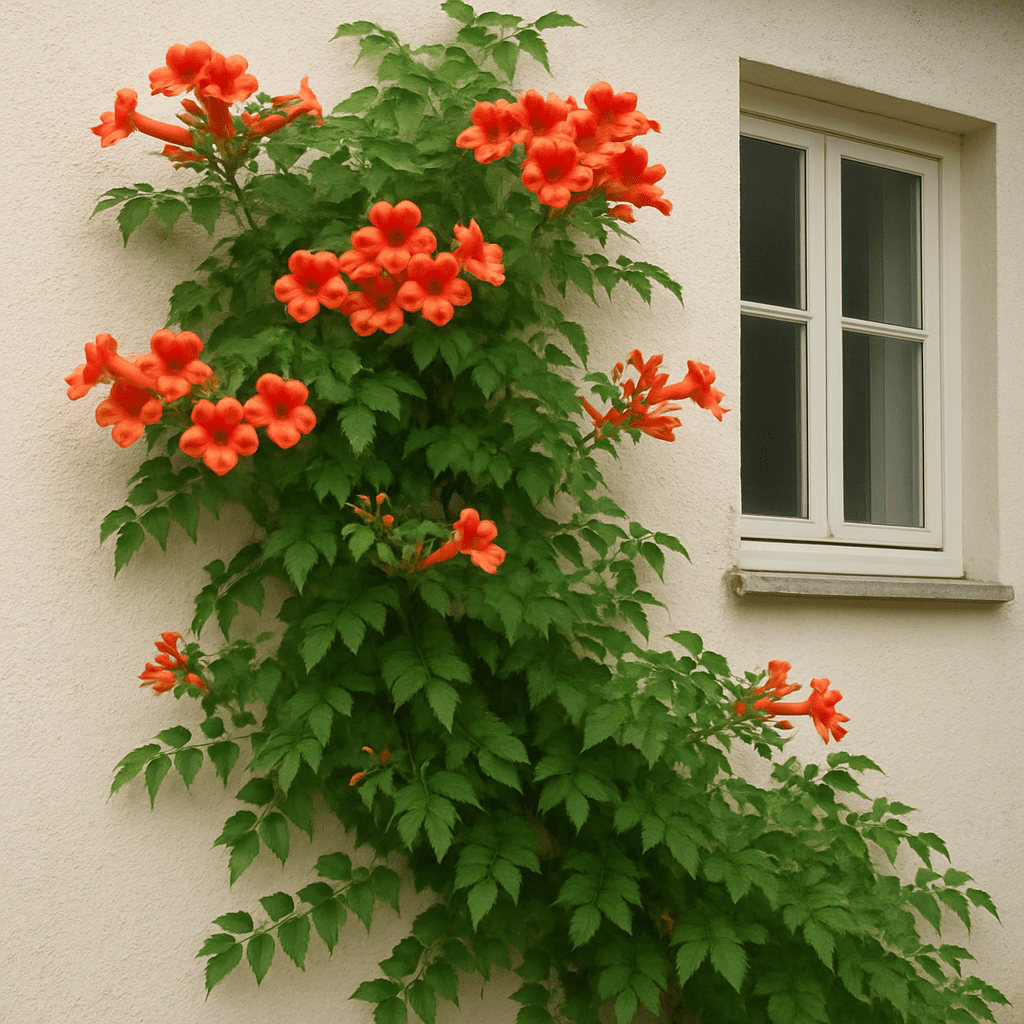
The perfect location for a climbing trumpet
For the American trumpet vine to produce its spectacular blossoms, plenty of light and warmth are necessary. When planning the ideal location for your trumpet vine, you should favor a house wall or fence facing south or southwest.
The plant loves for its shoots to bask in the full sun, while the root area ideally remains slightly shaded and cool – similar to woodland vines (Clematis). Because it feels particularly at home in the sun, it is considered an excellent Bee pasture for sunny locations. Butterflies, bees, and bumblebees are magically attracted to the nectar-rich calyxes.
It has low demands on the soil. Well-drained, moderately fertile, and slightly moist soil is perfectly sufficient. However, waterlogging must be avoided at all costs.
Climbing and trailing: How to support your plant
The Campsis radicans naturally climbs very independently. Facade greening with adhesive roots is ideal here, as the plant can hold directly onto the masonry. However, this characteristic has its drawbacks: the plant develops enormous weight over the years.
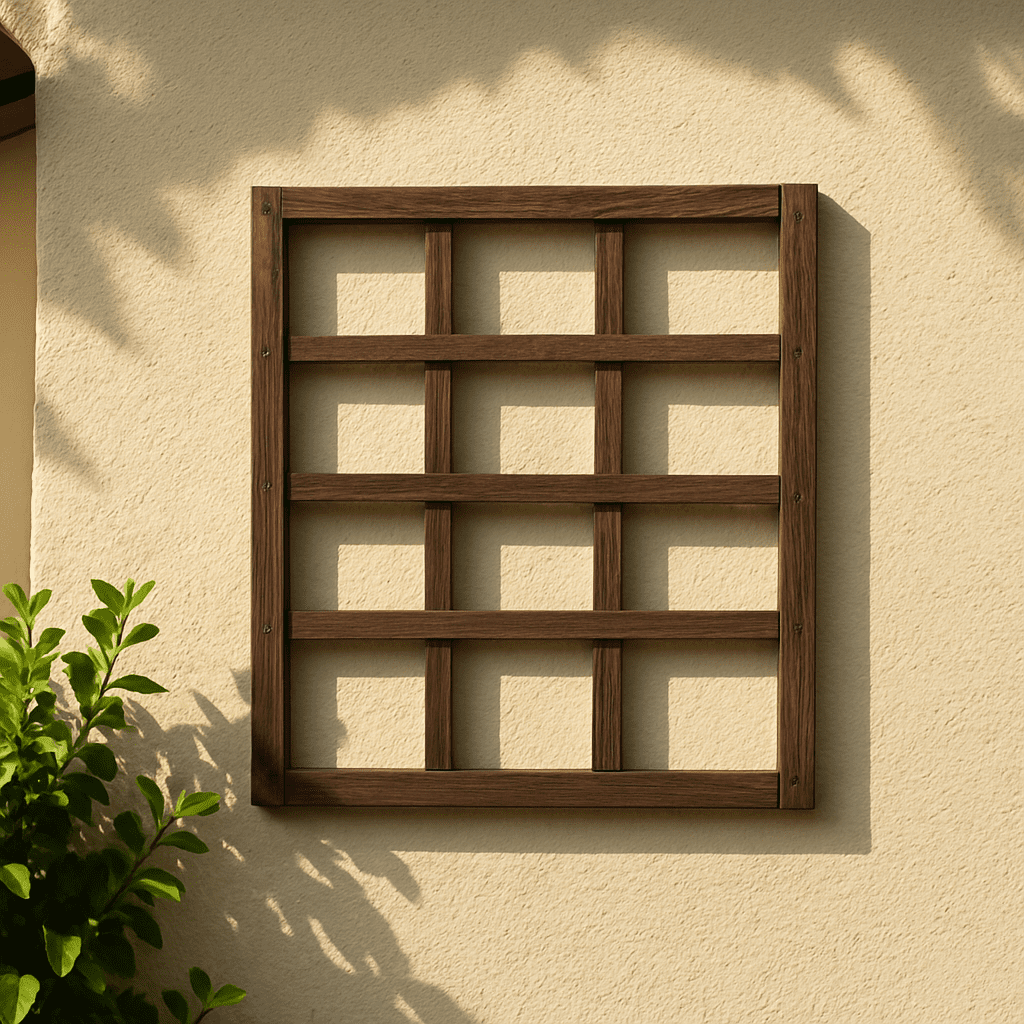
To avoid damage Build a climbing aid for trumpet vine. A sturdy frame made of metal or strong wood provides the plant with the necessary support. When considering Trellis Mounting on House Wall Here are some tips:
- Distance to wall: Maintain a distance of at least 10 to 15 cm from the house wall. This ensures good rear ventilation.
- Stable anchoring: Use stainless steel heavy-duty anchors.
- Material: Galvanized steel or stainless steel are ideal, as wooden structures often yield under weight and moisture.
Campsis radicans Care Guide: Watering, Fertilizing, and Pruning
Our Campsis radicans Care Instructions is remarkably uncomplicated. In the first few years after planting, the trumpet vine needs regular watering, especially during dry periods. Once it is well-established, it largely takes care of itself. Fertilize moderately in early spring with some compost. Too much nitrogen will lead to massive leaf growth, but at the expense of flowering.
When to prune climbing trumpet
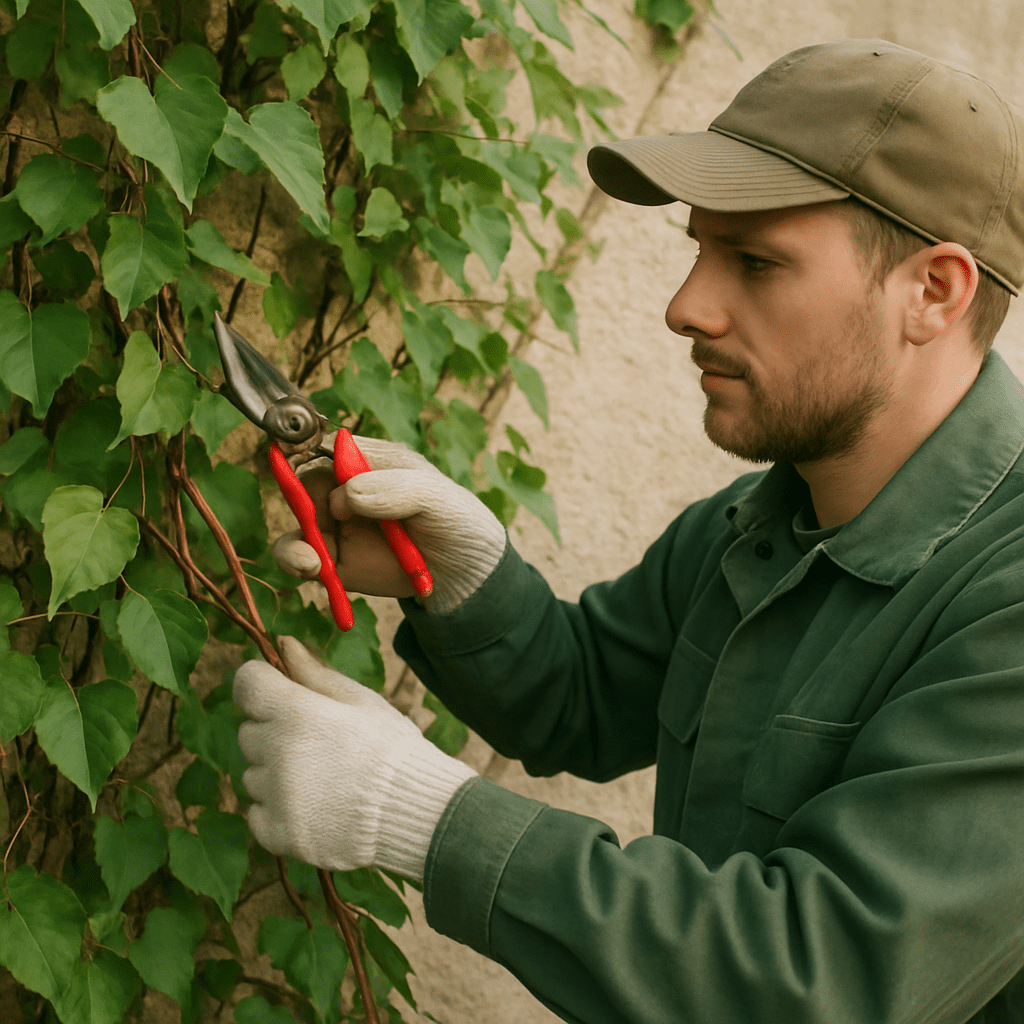
One of the most common questions is: When to prune climbing trumpetThe best time is late winter or very early spring (February to early March), before the plant starts new growth.
A strong Spring pruning for bloom formation is essential. The plant blooms exclusively on the new, current-year shoots.
- Cut back all side shoots to two to three pairs of buds (approx. 10 to 15 cm).
- Completely remove dead, diseased, or crossing wood.
Climbing trumpet not blooming: Causes
It can be frustrating when the hoped-for bloom doesn't appear. If you search for „why climbing trumpet doesn't bloom,“ you'll usually find the following reasons:
- Missing cut: Without strong pruning, there's a lack of impetus for new, flowering wood.
- Too much shade: At a northern or eastern location, solar energy is often insufficient.
- Too young Improved plants often bloom in the second year, while specimens grown from seed only show their first flowers after five to ten years.
- Frost damage Severe late frosts can destroy the delicate new buds.
Taming the urge to spread: root barriers and more.
As beautiful as the American trumpet creeper is, its strong urge to spread is feared. It often forms extensive underground runners. Those who prevent aggressive garden runners wants to act in time.
It's best to plant the shrub directly with a root barrier (rhizome barrier) made of high-density polyethylene (HDPE). However, even if the plant is already growing in the garden, all is not lost. You can Retrofit root barrier for trumpet vine. To do this, generously dig a circular trench (approx. 60–80 cm deep) around the root ball and insert the barrier. Leave the edge sticking out of the ground by about 5 cm so that no roots can grow over it.
Propagation of the trumpet vine
If you can't get enough of the fiery floral display, you can Propagate Campsis radicans by cuttings. The ideal time for this is early summer. Cut off semi-hardwood cuttings about 15 cm long, remove the lower leaves, and plant them in potting soil. Keep the soil consistently moist and place the pot in a warm, partially shaded location. Alternatively, you can simply cut off rooted runners in spring and transplant them.
Is the American trumpet vine poisonous?
In particular, families with children and pet owners often ask: Is the American trumpet vine poisonousThe short answer is: Yes, it is classified as mildly poisonous. All parts of the plant, but especially the leaves and flowers, contain substances that can cause skin irritation (contact dermatitis) in sensitive individuals. Therefore, it is best to wear gloves when cutting.
Pet owners should also be careful. Is the Trumpet vine poisonous to cats or dogs? Consuming plant parts can lead to gastrointestinal upset, vomiting, and diarrhea in dogs and cats. Ensure that fallen blossoms are not eaten by curious animals.
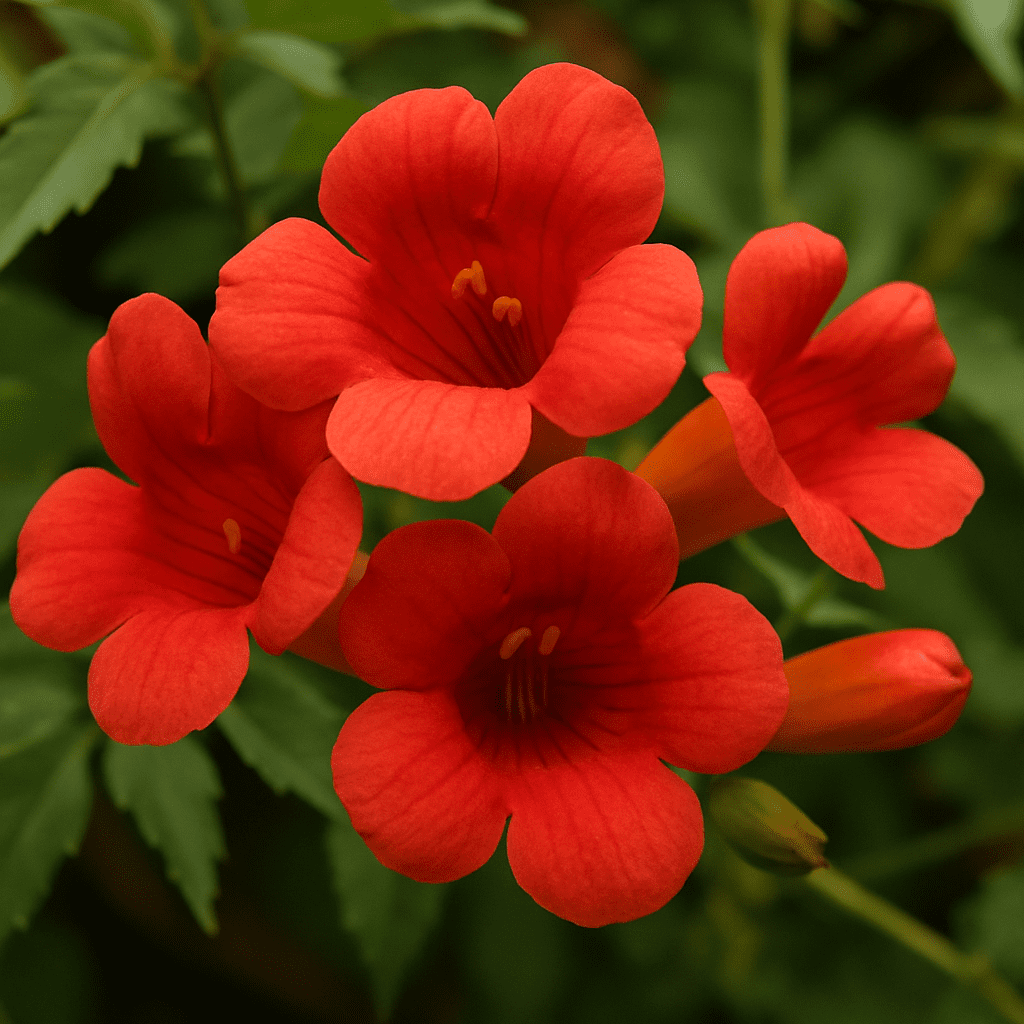
Alternatives and Companions: Trumpet Vine vs. Wisteria
If you are looking for greenery for fences, pergolas, or walls, you often face the decision: Trumpet Vine vs. Wisteria. Both are extremely vigorous, Cold-hardy climbing plants for privacy screens. The wisteria delights in spring with blue, hanging flower clusters, but it twines extremely strongly around its climbing support, which can actually crush gutters and pipes. The trumpet vine primarily climbs via adventitious roots and blooms in warm colors from midsummer to autumn.
Anyone wishing to green a pergola is often better advised to use the trumpet vine if they want late-year color in the garden. In addition, climbing trumpet vines are excellent, insect-friendly climbing plants for pergolas and trellises, which fill the garden with buzzing life well into autumn.
Conclusion
The American Trumpet Creeper is a robust, vigorous, and breathtakingly beautiful plant that, with the right care, will become the highlight of any garden. As long as you control its strong spreading habit with a root barrier and consistently use pruning shears in the spring, you will be rewarded with a fantastic sea of flowers anew every summer. Create a stable foundation against the house wall and enjoy a Mediterranean summer dream that also provides valuable food for bees and butterflies.