
The care and propagation of the pheasant's eye
According to Greek legends, the blood of the beautiful hunter Adonis transformed into radiant flowers after his tragic death. Today, the pheasant's eye narcissus brings this mythological magic to our local nature as a bright spring bloomer.
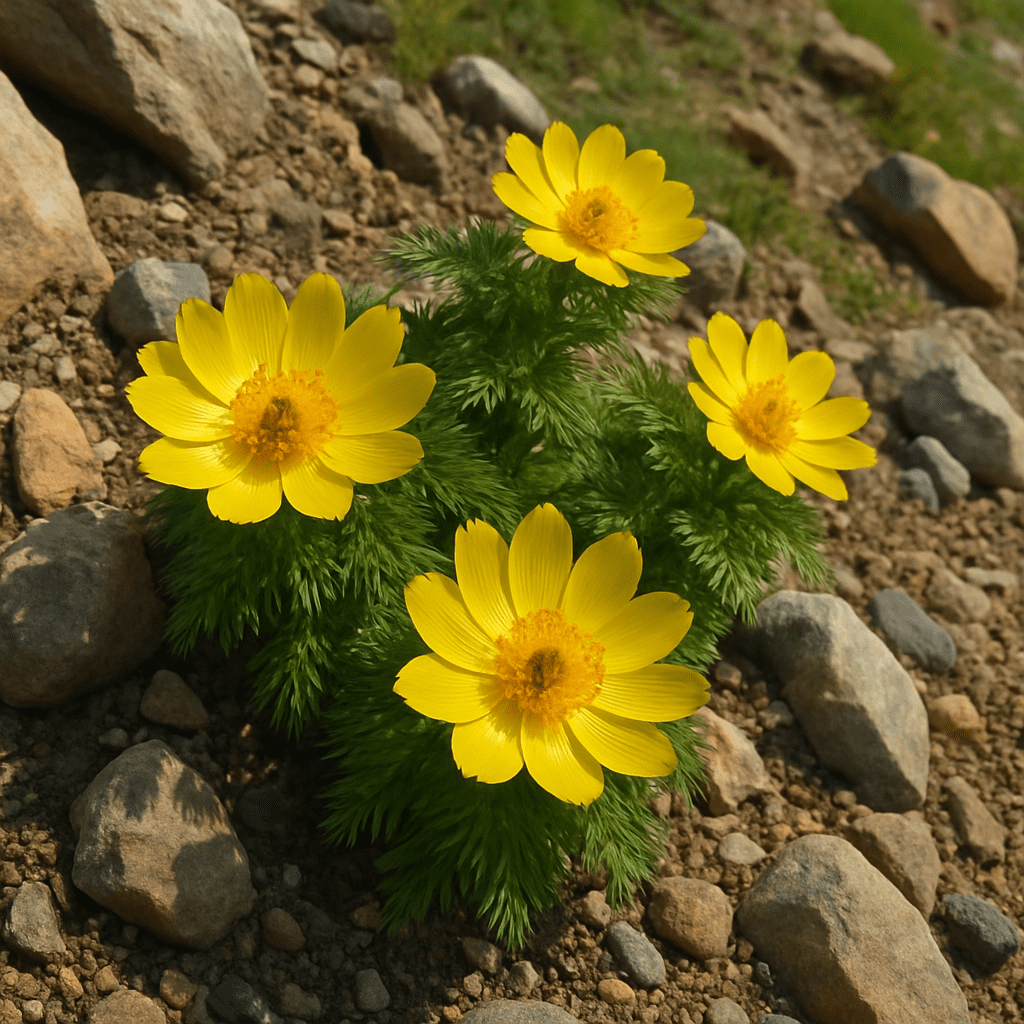
According to botanical records, the bright yellow Spring pheasant's eye today as a strictly protected rarity. It grows like a wild jewel on sun-drenched slopes, defying icy late frosts with remarkable resilience.
However, behind the feathery, dill-like leaves lies a fascinating duality, as the plant is as poisonous as it is graceful. Those who wish to successfully cultivate and propagate this resilient treasure in their own garden must first respect its wild roots and sensitive soil requirements.
Spring vs. Summer Adonis: How to Identify the True Gold Nugget in Your Garden
He who discovers a shining blossom on the roadside often mistakes it for an ordinary buttercup at first glance. However, upon closer inspection, a fascinating difference between the spring and summer species of this plant family becomes apparent. The Spring Adonis is a perennial – meaning it reliably returns from its roots each year. The summer variety, on the other hand, is annual and disappears after just one season.
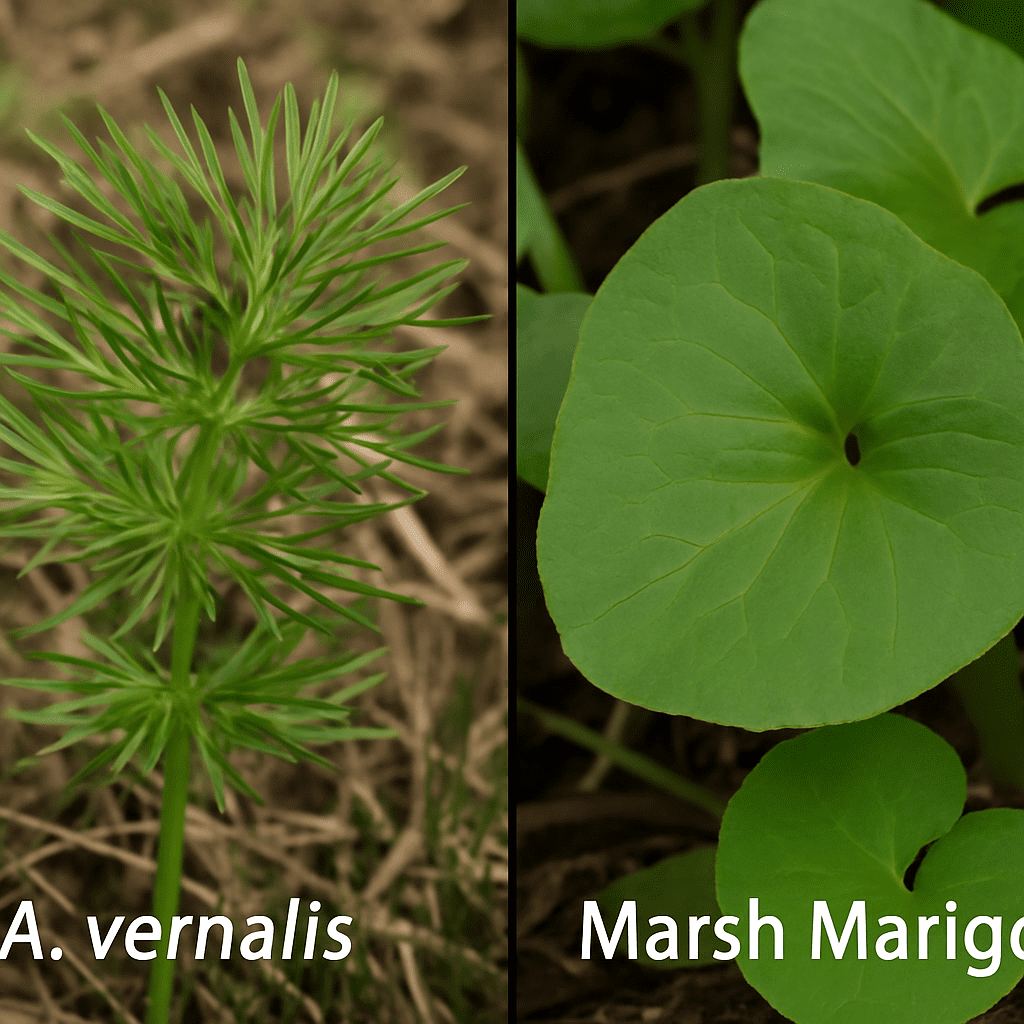
A closer look at the foliage also protects against dangerous confusion with the marsh marigold. Instead of broad, heart-shaped leaves, the adonis flower bears a fine, almost feathery garment that visually resembles dill or carrot tops. Only when you see this „feathered“ feature do you have the true yellow floral splendor before you.
To safely distinguish between the two Adonis species in nature, this short checklist will help:
- Prime March to May (Spring) vs. June to August (Summer).
- Flower color: Radiant yellow (spring) vs. bold blood red (summer).
- Leaf shape Both are springy, but only the spring type grows into a strong bush.
Sun, lime, and dryness: Creating the perfect location for the demanding Adonis vernalis
Some plants thrive everywhere, but the pheasant's eye is extremely picky. For a successful establishment, you must ensure its Sunny and dry location requirements exactly by choosing a spot in the garden that is in full sun but protected from icy spring winds.
Deep within the earth lies the next secret, as this wildflower is a strict lime lover. This means it absolutely needs an alkaline, calcium-rich substrate, which you can easily create by adding garden lime specifically to achieve a truly Spring bloomers for dry chalky soils to supply optimally.
Waterlogging means the certain end for fleshy roots in this project. Utilize your existing knowledge of effective drainage and generously mix coarse sand or fine gravel into the potting soil so that rainwater drains away immediately and these demanding Ranunculaceae in the rock garden never get wet feet.
Additionally, the plant requires ample space, as encroaching grasses or dominant neighbors can quickly deprive it of vital light in an unequal competition and displace it in the long run.
The Art of Sowing: How to Successfully Propagate Adonis Flowers as a ‚Cold Germination Expert‘
When you are a grown-up Buy Adonis flowers, bypass one of the most fascinating challenges in garden design: the Propagation from seeds. These tiny grains have a built-in internal clock that protects them from fatal, premature sprouting in the mild autumn. Experts call such plants „cold germinators.“ This simply means that the seed remains in a deep dormancy and only awakens after it has experienced a long, icy frost period.
To successfully replicate this natural cold stimulus in your own garden, you don't need laboratory effort, just the right timing for the Outdoor sowing of cold-germinating seeds:
- Autumn Sowing: Sow the seeds directly into the prepared, well-draining soil between September and November.
- Winter cold: Let nature do the work. The seeds absolutely need several weeks at near-freezing temperatures to break down their internal germination inhibitors.
- Spring awakening With the rising temperatures in spring, the watchful waiting for the first delicate cotyledons begins.
Patience is your most important tool in this process, as some seeds actually lie dormant for a whole year before accepting nature's wake-up call. Once the seedlings grow, they not only unfurl their vibrant beauty but also equip themselves with an invisible chemical shield.
Beauty with Bite: What You Need to Know About Cardiac Glycosides and Conservation Status
Behind the delicate leaves lies a potent chemical arsenal. Since the Adonis flower lacks thorns, it defends itself with toxic substances, making it a serious danger as Toxic Garden Plants for Pets and small children do. Accidental ingestion can cause severe reactions, so gloves should always be worn when handling them.
This invisible defense mechanism relies on so-called heart-influencing plant compounds. The Cardiac glycosides: effects and applications was well-known in historical medicine: In tiny, precisely measured doses, doctors used these active ingredients to strengthen a weak heartbeat. However, what served as medicine for humans acts as a toxic stop sign in nature for any animal that wants to eat the plant.
In addition to this toxicity, the extreme rarity of the flower also commands our respect. The pheasant's eye only tolerates sun-drenched, dry slopes and suffers from dwindling habitats, earning it a place on the Red List of Threatened Plant Species gifted. The strict Conservation status of protected wildflowers prohibits any digging from nature. This knowledge is essential not only for safely caring for the plant but also for actively contributing to its preservation.

From Gardener to Conservationist: Your Plan for a Long Plant Life
Whoever plants the Adonis flower not only looks at a yellow wildflower, but a rare survivor. The successful Adonis vernalis Care Instructions based on three fundamental elements: abundant sunshine, calcareous soil, and refraining from pruning the delicate foliage. Those who observe these needs will create a lasting refuge for this golden wonder in their own garden.
Even though the flower is historically considered Herbal remedies for nervous heart conditions While it was once admired, today the focus is on respecting the delicate balance between breathtaking beauty and potent toxicity. This will transform you from a mere admirer into an active protector of this living piece of ancient mythology.