
Heilpflanze Ährige Teufelskralle: Anwendung und Wirkung
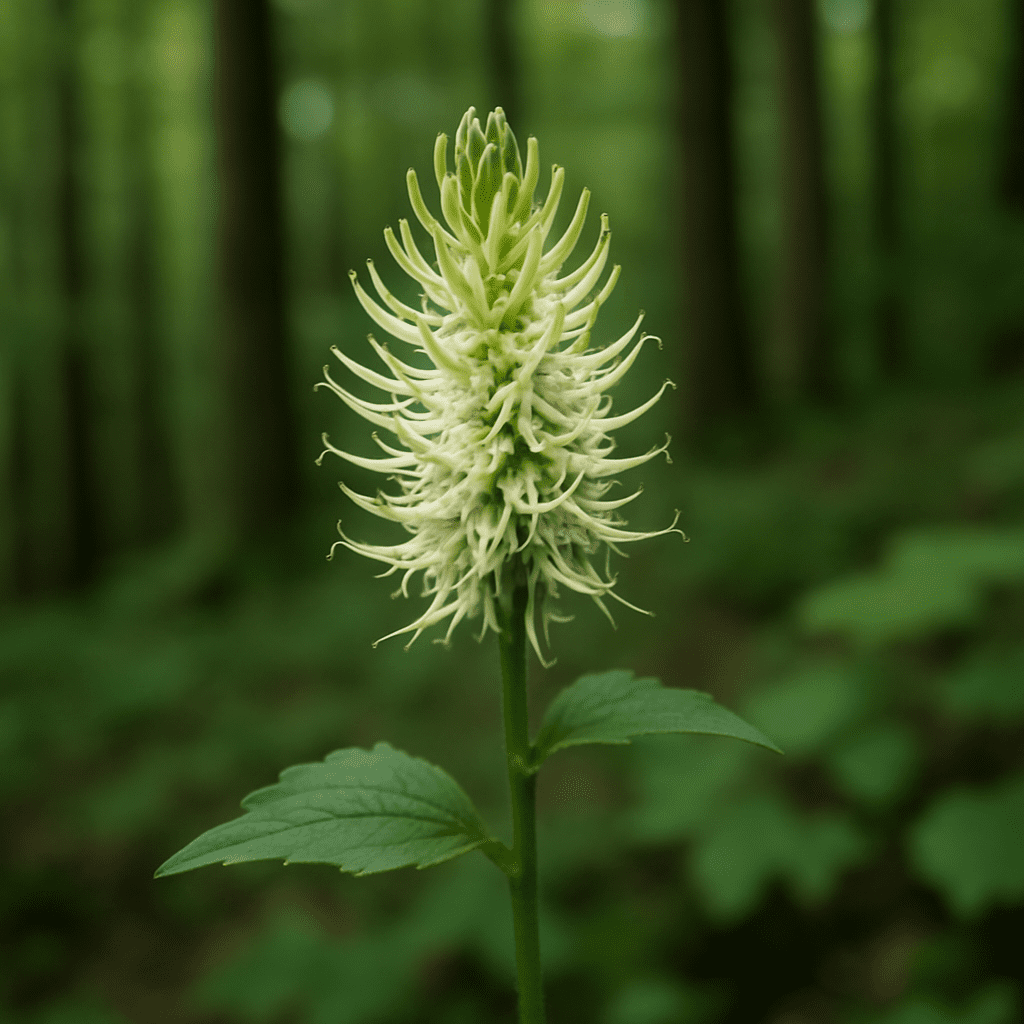
Wer bei einem Spaziergang durch den schattigen Buchenwald auf eine zartgrüne Blütenähre stößt, die wie ein Bündel winziger Klauen aussieht, hat kein prähistorisches Relikt entdeckt. Vielmehr stehen Sie vor der Ährigen Teufelskralle (Phyteuma spicatum), einem überaus eleganten Waldbewohner. Lassen Sie sich vom furchteinflößenden Namen keinesfalls täuschen. Typische Erkennungsmerkmale der Wald-Teufelskralle – wie diese dramatischen „Krallen“ – sind in Wahrheit lediglich ungeöffnete Blütenblätter, die unter Spannung auf bestäubende Insekten warten.
Häufig wird das heimische Gewächs jedoch mit der afrikanischen Gelenkschmerz-Arznei verwechselt. Wie unter Botanikern allgemein bekannt ist, teilen sich die beiden Pflanzen zwar einen Namen, sind aber weder miteinander verwandt noch medizinisch vergleichbar. Dieser kompakte Steckbrief von Phyteuma spicatum löst die Verwirrung auf und zeigt Ihnen, warum dieses botanische Wunderwerk stattdessen als wichtige ökologische Nektarquelle einen zweiten Blick verdient.
Keine echten Krallen: Wie Sie die Ährige Teufelskralle sicher identifizieren und Verwechslungen vermeiden
Auf einem Waldspaziergang sticht diese ungewöhnliche Pflanze sofort ins Auge, doch für Naturfreunde wirkt ihre Form manchmal fast einschüchternd. Um die Erkennungsmerkmale der Wald-Teufelskralle sicher zuzuordnen und eine gefährliche Verwechslung mit giftigen Pflanzen ausschließen zu können – insbesondere mit den Blättern des hochgiftigen Eisenhuts –, hilft dieser simple 4-Punkte-Check:
- Leaf shape Unten am Stängel wachsen die Ihnen bereits bekannten herzförmigen Blätter, während sie weiter oben schmal und lanzettlich werden.
- Flower color: Zartes Blassgelb bis Grünlich-weiß.
- Growth height: Typischerweise kniehohe 30 bis 80 Zentimeter.
- Location: Feuchte, schattige Laubwälder oder nährstoffreiche Wiesen.
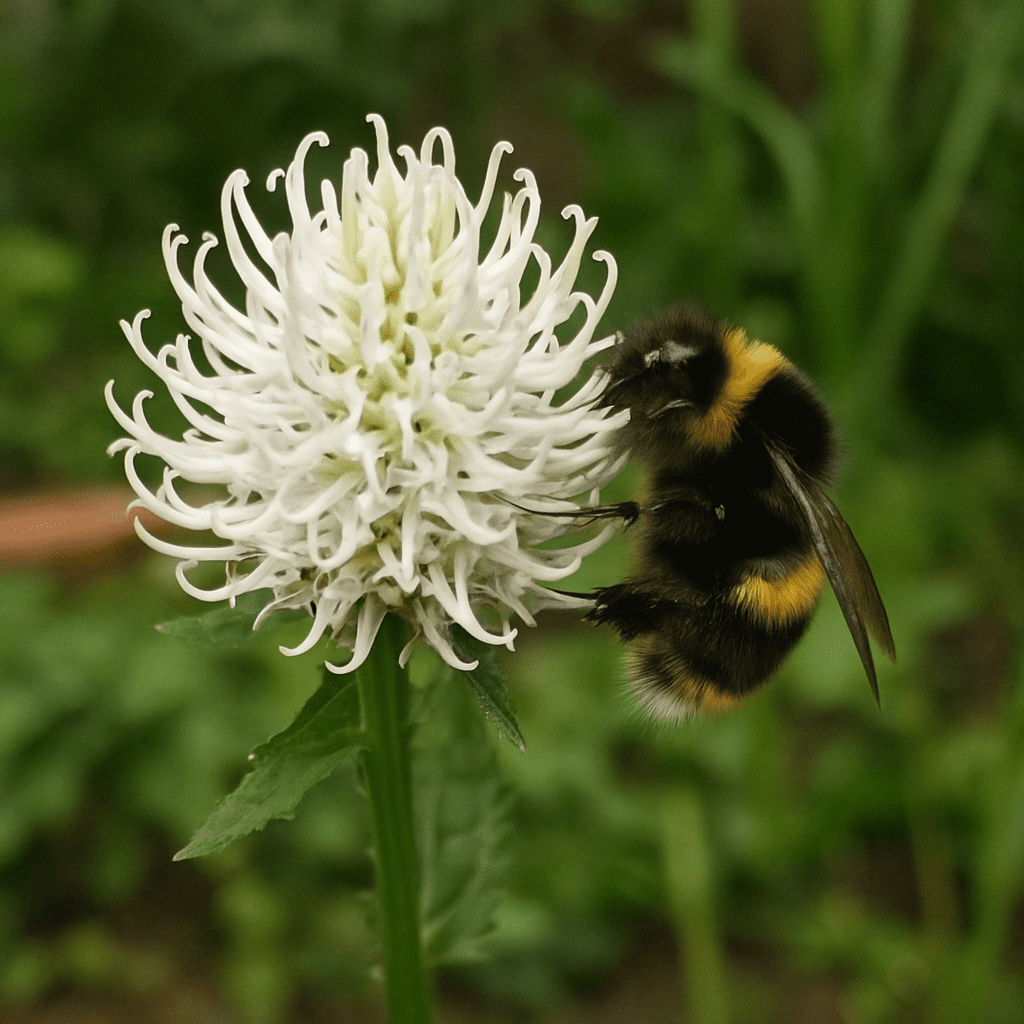
Sobald Sie das Gewächs richtig identifiziert haben, lohnt sich ein genauer Blick auf die magisch anmutende Struktur. Der außergewöhnliche Blütenstand der Glockenblumengewächse entfaltet sich von unten nach oben wie ein Turm aus kleinen gebogenen Krallen. Diese Form dient einem faszinierenden Bestäubungsmechanismus, der wie eine gespannte Feder funktioniert. Die Blütenblätter halten die Pollenröhre fest verschlossen, bis ein ausreichend schweres Insekt – meist eine hungrige Hummel – darauf landet. Das Gewicht löst den Trick aus: Die Röhre öffnet sich und pudert den flauschigen Besucher zielgenau ein.
Dieses clevere Schauspiel beweist, dass hinter der bedrohlichen Optik ein völlig harmloses, ökologisches Meisterwerk steckt. Genau dieser einprägsame Name sorgt abseits unserer heimischen Wälder jedoch oft für große Verwirrung.
Die Namens-Falle: Warum heimische Teufelskralle nicht gleich afrikanische Heilpflanze ist
Wenn Sie in der Apotheke Kapseln mit Teufelskralle gegen Gelenkschmerzen kaufen, halten Sie nicht unsere heimische Waldpflanze in den Händen. Dieser verbreitete Irrtum basiert auf einem reinen Namenszufall. Betrachtet man den Unterschied, wird schnell klar: Afrikanische und heimische Teufelskralle trennen Welten. Während die afrikanische Harpagophytum procumbens in trockenen Savannen wächst und medizinische Wirkstoffe liefert, liebt unsere europäische Phyteuma spicatum den schattigen Laubwald. Beide heißen nur so, weil ihre Blüten oder Früchte wie kleine Krallen aussehen.
Medizinisch haben diese Doppelgänger nichts gemeinsam. Die Inhaltsstoffe heimischer Phyteuma-Arten bestehen hauptsächlich aus nahrhaftem Inulin und Vitamin C, heilen jedoch weder Rheuma noch Gelenkschmerzen. Im Gegenzug müssen Sie bei unserer harmlosen Waldpflanze aber auch keine klassischen Nebenwirkungen der Teufelskralle wie Magenbeschwerden befürchten, die bei hochdosierten Präparaten der afrikanischen Wüstenpflanze gelegentlich auftreten.
Genau diese Ungiftigkeit macht das heimische Gewächs so faszinierend für Naturfreunde. Auch wenn die Pflanze nicht in die Hausapotheke gehört, verbirgt sie ein ganz anderes, heute fast vergessenes Talent: Junge Blätter und nussige Wurzeln lassen sich hervorragend als regionales Wildgemüse nutzen.
Vom Waldrand in die Küche: Junge Blätter und nussige Wurzeln als regionales Wildgemüse nutzen
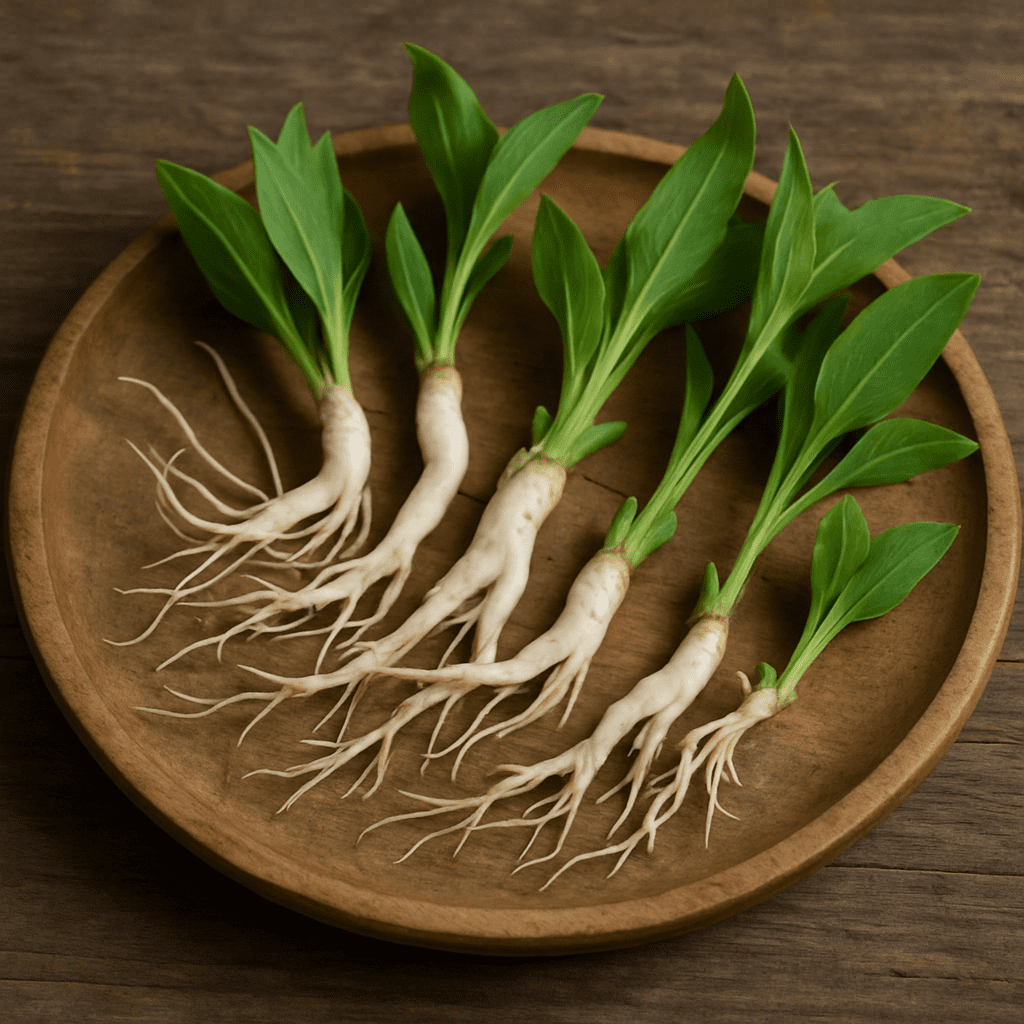
Wer auf Frühlingswanderungen essbare Wildpflanzen im Wald bestimmen möchte, findet in der Ährigen Teufelskralle einen echten Geheimtipp. Ihre jungen Blätter schmecken angenehm süßlich und erinnern an milden Feldsalat. Noch spannender ist die fleischige, weiße Rübe, die mit einem nussigen, an milde Radieschen erinnernden Aroma überrascht. Weil jede geerntete Wurzel das Ende der Einzelpflanze bedeutet, greift hier die Handstraußregel ganz besonders streng: Ernten Sie nur minimal für den direkten Eigenbedarf und lassen Sie stets kräftige Exemplare stehen.
Aus einer solchen kleinen, achtsamen Ausbeute lassen sich wunderbare Naturgerichte kreieren. Wenn Sie Wurzeln von Phyteuma spicatum zubereiten möchten, bieten diese zwei unkomplizierten Ideen einen idealen Einstieg in Wildgemüse-Rezepte:
- Wandersalat: Mischen Sie die rohen Frühlingsblätter mit Apfelessig, Öl und gerösteten Haselnüssen für eine frische Beilage.
- Wurzel-Pickle: Schneiden Sie die geputzten Wurzeln in hauchfeine Scheiben und legen Sie diese kurz in einem süßsauren Essigsud ein – perfekt als Topping auf frischem Brot.
Dieser kulinarische Ausflug verdeutlicht eindrucksvoll, wie wertvoll und schützenswert unsere heimische Flora ist. Wenn wir rücksichtsvoll sammeln oder die Pflanze gar ansiedeln, stärken wir das lokale Ökosystem ungemein.
Ein Paradies für Wildbienen: So fördern Sie die Ährige Teufelskralle im eigenen Naturgarten
Wer diese elegante Wildpflanze lieber direkt vor der Haustür bewundern möchte, kann sie unkompliziert ansiedeln. Als typische Kalkzeigerpflanze verrät sie uns von Natur aus, dass sie einen kalkreichen, humosen Boden bevorzugt. Erfüllen Sie diese Standortansprüche im schattigen Garten oder im leicht feuchten Halbschatten unter schützenden Laubbäumen, wächst das wilde Gemüse fast wie von selbst heran.
Sobald sich die weißen Blütenkrallen im Frühsommer öffnen, zeigt sich ihr enormer ökologischer Wert für Wildbienen. Spezielle Hummelarten knacken diesen gebogenen Blütenmechanismus mühelos, wodurch Insekt und Pflanze eine faszinierende ökologische Nische besetzen – einen maßgeschneiderten, engen Zusammenhalt im Kreislauf der Natur. Obwohl ein heimisches Blumenbeet eigentlich nicht der natürliche Lebensraum von Berg-Teufelskrallen oder ihren waldliebenden Verwandten ist, spenden sie auch hier rettenden Nektar.
Nachhaltig sammeln und bewahren: Ihr Fahrplan für den bewussten Umgang mit Phyteuma spicatum
Wenn Sie das nächste Mal durch einen schattigen Buchenwald wandern, werden Sie die Ährige Teufelskralle (Phyteuma spicatum) mit neuen Augen sehen. Echte Erfahrungen mit dieser heimischen Pflanze sind rein ästhetischer oder kulinarischer Natur. Anstatt nach afrikanischer Medizin zu suchen, erkennen Sie nun eine faszinierende, heimische Wildpflanze.
Nutzen Sie dieses Wissen, um diese filigranen Wald-Juwelen auf Ihrer nächsten Tour bewusst aufzuspüren. Beobachten Sie, wie Hummeln die gespannten Blüten entriegeln, aber lassen Sie die Pflanze im Zweifelsfall unberührt an ihrem Platz. So bewahren wir dieses kleine Naturwunder und sichern eine wichtige Nahrungsquelle für unsere Insektenwelt.