
Discover the healing powers of Germander Speedwell
Imagine a shimmering hot summer afternoon, when most plants are wilting, heads drooping. Exactly then, the upright speedwell shows its true strength. This resilient survivor defies drought effortlessly, bringing vibrant color to barren, sun-drenched beds.
Botanically known as Veronica spicata, this reliable perennial—a plant that dependably returns year after year—surprises with its impressive architecture. The so-called inflorescences push into the sky like tapering, luminous candles. Those looking for blue-flowering, bee-friendly garden plants will hit the jackpot with it.
According to nature conservation experts, the robust plant is far more than just pretty decoration. The numerous small flowers on the ramparts offer specialized insects an indispensable food source and transform arid nooks into a buzzing natural paradise.
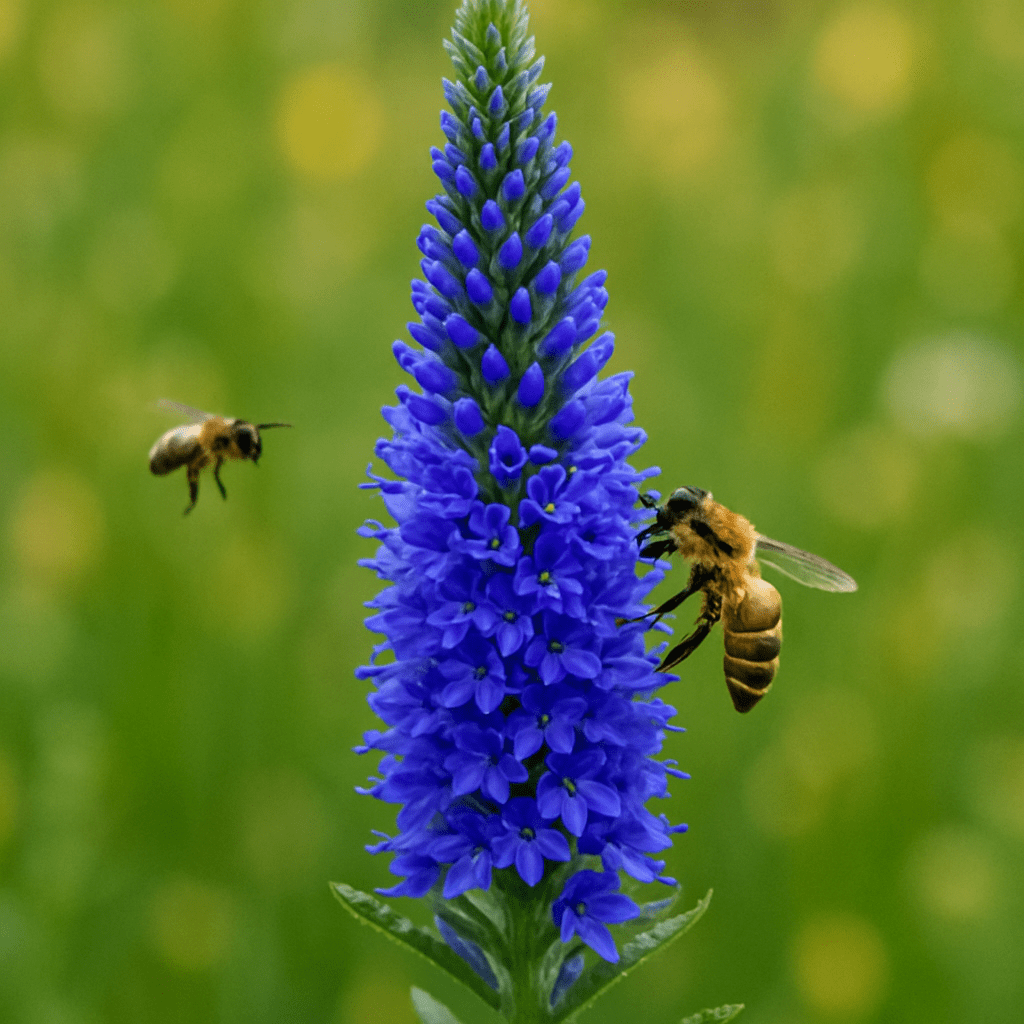
How to recognize the Long-Spiked Speedwell at first glance
Imagine bright blue-violet flower spikes that rise from the bed like small towers. With a height of 15 to 40 centimeters, the plant grows upright and tall. This slender growth habit makes it incredibly easy to estimate its space requirements, as it fits perfectly into narrow gaps.
Upon closer inspection, the soft stems are immediately noticeable. Typical characteristics of the Spiked Speedwell are fine, silvery hairs that act like a natural umbrella. This clever evaporation protection is worth its weight in gold if you want to care for such undemanding plantain relatives in your garden and save yourself the constant watering.
It is precisely this delicate down and the tapering blossoms that clearly distinguish it at first glance from similar purple wildflowers. Its appearance also reveals the nature of a true calciphile, one that urgently needs calcareous soils to thrive. Such a plant demands very specific conditions in order to unfold its full splendor.
The Ideal Location: Why Less Water Means More Blooming Splendor
When planning the ideal location for speedwell, feel free to choose the hottest spot in your garden. Where other flowers wilt in the midday heat, this sun-worshipper truly comes into its own and develops its most intense flower color.
A typical, sunny rock garden provides exactly what this undemanding plant requires: lean soil. Expensive fertilizer only does harm here, as too many nutrients make the stems soft and unstable. Equally important is that the water drains well, because waterlogging in the root area inevitably leads to dangerous root rot.
The basic soil requirements for drought-resistant plants are easy to tick off:
- Water permeability: Mix sand or fine gravel into heavy soil to allow rain to drain directly.
- Lime content A slightly calcareous substrate greatly strengthens plant health.
- Nutrient deficiency Withholding nutrient-rich compost keeps growth sturdy and compact.
Once this low-maintenance spot is found, the perennial rewards you with vibrant colors for weeks. With the right pruning, this splendor can even be effortlessly maintained well into late summer.
When do you prune bluebells? – The Art of Extending Blooms
When the first blue flower spikes fade in midsummer, you should reach for your pruning shears. The question of when to best prune veronica is answered very simply: best right after the main bloom. This targeted cut encourages the plant to „remont,“ meaning it gathers new strength and sprouts again. This way, the flowering period can be significantly extended by pruning, giving you a second, fine firework of blossoms until early autumn.
A straightforward annual plan ensures plant health and, as a bonus, provides you with new specimens.
- After the first bloom: Cut off faded flower stalks just above the first pair of healthy leaves.
- Before winter: Leave the remaining leaves as natural frost protection and tidy them up in spring.
- Propagation by division in spring: Dig up older root balls and cut them in half with a shovel. This rejuvenates the mother plant and gives you free seedlings.
Even with this minimal effort, your speedwell will remain a robust eye-catcher for years to come. Since the gardening is almost effortless, there's plenty of room for creative bed design with different cultivars.

Rotfuchs vs. Heidekind: Which variety is right for your garden bed?
While the wild form usually shines in classic blue, cultivars – meaning specifically developed strains – offer colorful alternatives if you want to design a heather garden with perennials. In a direct comparison of the varieties ‚Rotfuchs‘ and ‚Heidekind‘, you are guaranteed to find the right tone for your home:
- Red fox Bright fireplace red, 40 cm high, ideal for front bed borders.
- Woodland child Compact raspberry pink, 30 cm high, perfect for small balcony boxes.
Despite their ease of care, these beauties sometimes send distress signals. Why does the speedwell sometimes get yellow leaves? This so-called chlorosis is a visible cry for help from the plant, which usually indicates waterlogging or soil that is too dense. The roots are literally suffocating in the moist soil and can no longer absorb vital nutrients.
Even generously mixing in some sand usually resolves this blockage. As soon as the plant shines lush green again and its colorful flower spikes sway in the summer wind, it fulfills its most important ecological task.
A magnet for specialists: Why insects flock to spike speedwell
When the flower spikes open in midsummer, a fascinating natural spectacle begins. The Spiked Speedwell is a prime example of blue-flowering, bee-friendly garden plants. It specifically attracts rare wild bees – the picky foodies of the insect world, as it were, who need this special pollen to survive.
With this plant, you can effortlessly transform seemingly lifeless, dry patches of earth into a buzzing paradise. A true insect magnet for sunny slopes, the perennial offers a well-stocked table where you can directly observe bees systematically grazing on each open bloom from bottom to top.
To visually complete this ecological oasis, choose suitable neighbors. Perfect planting partners for these blue summer perennials are silver-leaved lavender or Russian sage, which love the same dry climate and create a harmonious overall look.
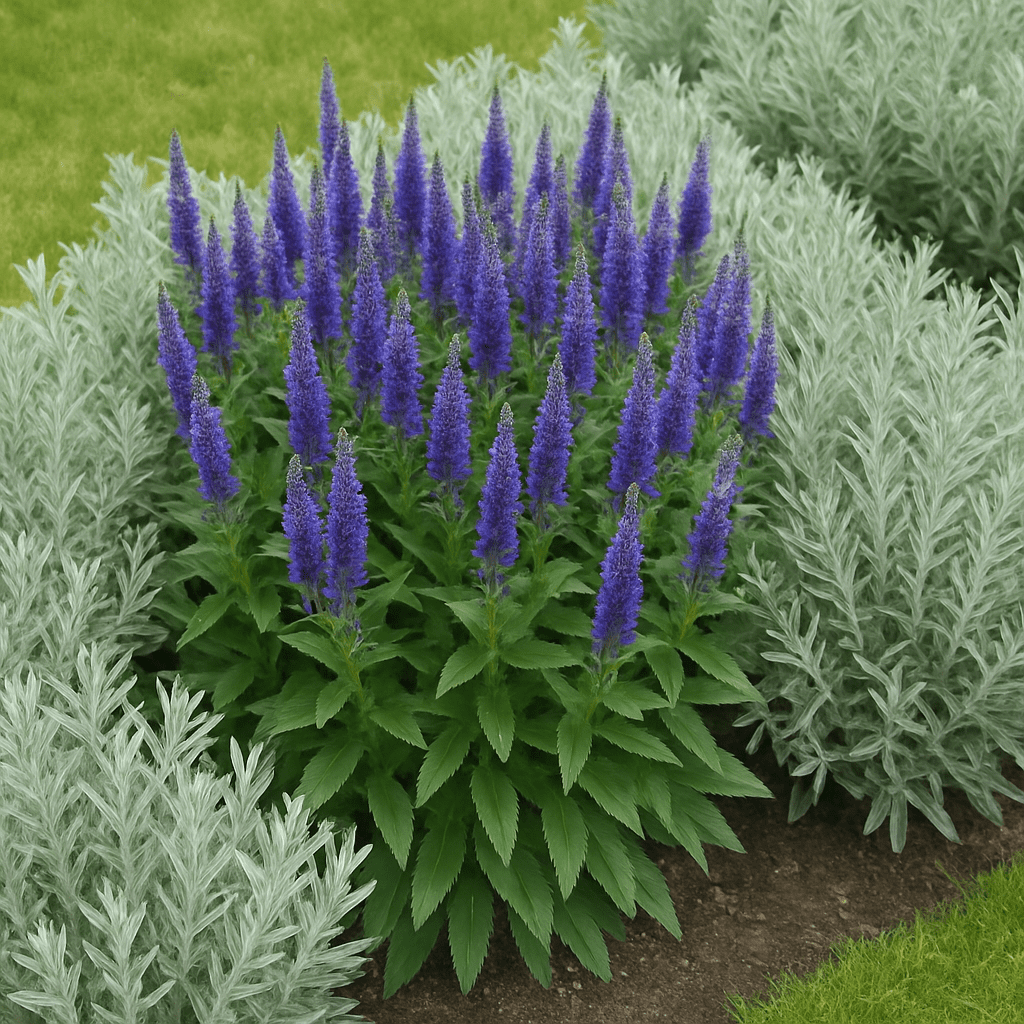
Your path to a low-maintenance dream garden with the blue survivor
Instead of just admiring a pretty wildflower, you can now confidently cultivate a resilient garden. Start the planting season by placing these hardy perennial border plants with their candle-shaped blooms in the sunniest spot. Mix some sand into the soil, step back, and watch the first bees arrive. You'll quickly realize how easy it is to support local nature without constantly reaching for the watering can.
Choosing low-maintenance perennials for dry soils proves that a beautiful garden doesn't require high water bills or endless work. By inviting Speedwell into your beds, you're opting for a natural, sustainable garden style. You'll recognize the ideal partner for a nature paradise that effortlessly buzzes with life, especially as these striking blue flower towers defy the summer heat.