
Discover the diversity of American agave
You likely know it as the „century plant“ – a name that incorrectly suggests a century-long wait for its first bloom. However, according to botanical records, the American agave is far more impatient, usually concluding its dramatic life cycle with a final, spectacular show after just 10 to 30 years. Proper care for this succulent requires a fundamental understanding of this plant's ultimate sacrifice.
This architectural masterpiece also requires massive space. The plant grows as a gigantic rosette, with serrated leaves up to two meters wide that serve as a natural water funnel. As an architectural centerpiece in the garden, it is not a simple gap filler, but a living work of art the size of a small car.

Agave or Aloe? The 3 crucial features to reliably identify the succulent giant
At first glance, both plants appear to be giant, spiky water reservoirs. However, anyone who mistakes an American agave for a medicinal plant and applies its sap to their skin risks painful irritation instead of relief. To unequivocally identify the difference between agave and aloe vera, a few glances at the botanical characteristics of agaves are sufficient.
Keep an eye out for these three telltale signs at the garden center or in nature:
- The Armament The leaves of the agave hide tough fibers and razor-sharp „marginal teeth“ on the sides, while an aloe has soft, rubbery teeth.
- The coniferous crown: Each agave leaf ends in a dangerous, hard spine, which is completely absent in most aloe species.
- The grand finale: Aloes can bloom every year, but agaves die after their single bloom.
The secret to "dry feet": Why the right succulent soil is a matter of life and death
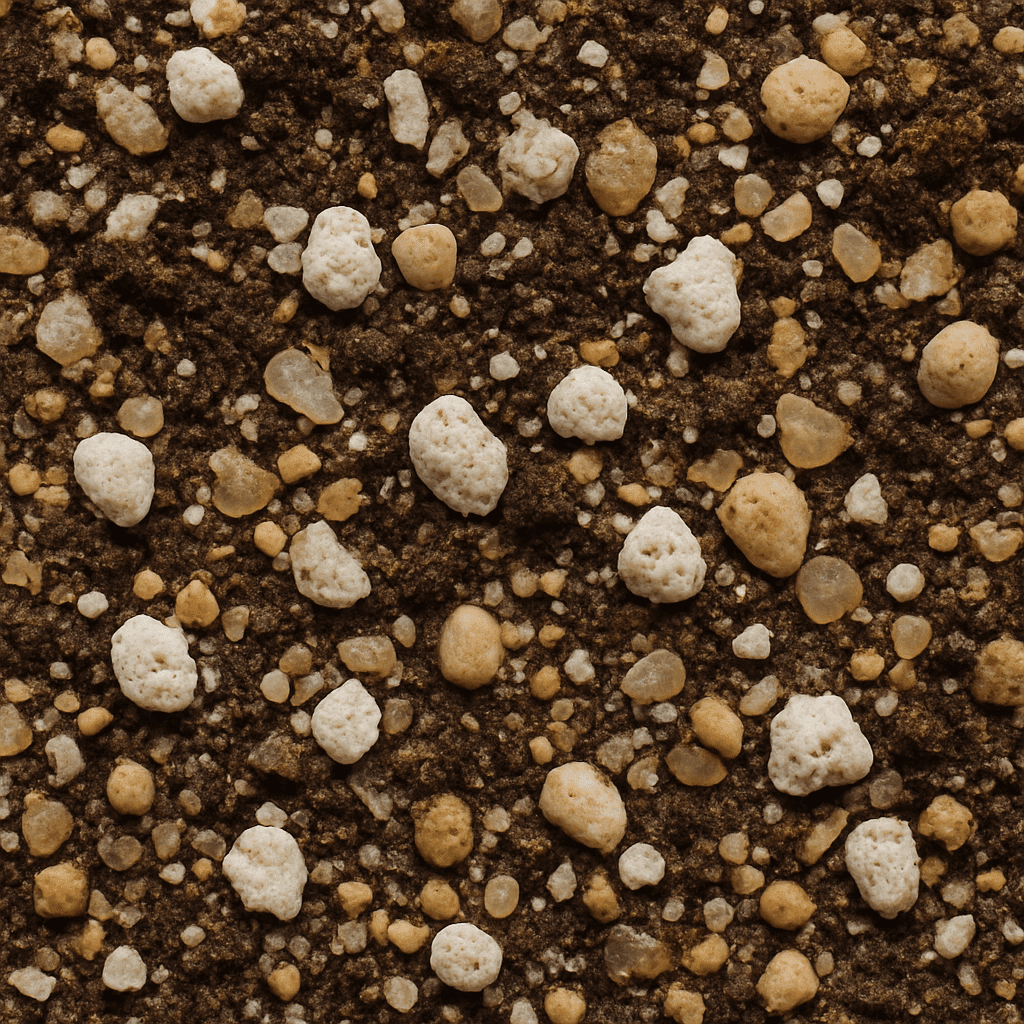
Imagine the fleshy leaves of the agave as giant water tanks, masterfully adapted to the sparse conditions required by desert plants. It is precisely this survival strategy that often leads to its downfall in a potted indoor setting. Its greatest enemy is not dryness, but permanently waterlogged roots. If the roots stand in water, they suffocate and rot unnoticed from the bottom up – a process that usually only reveals itself late through unexpectedly soft, mushy leaves.
To avert this slow death, the simple 50/50 rule applies when mixing your own succulent soil. Regular potting soil retains too much moisture and absolutely requires mineral substrates as a countermeasure. Mix the organic soil half-and-half with coarse sand, pumice, or gravel. This creates a loose structure through which excess watering can drain away immediately, just like through a kitchen sieve.
When it comes to watering, the tried-and-true „soak-and-dry method“ is a lifesaver for reliably preventing waterlogging in succulents. Water thoroughly once and then wait patiently until the soil has completely dried out. If your agave gathers enough energy over the years through this ideal care, it will be preparing for its grand finale.
A once-in-a-lifetime spectacle: What happens when your agave sprouts a meter-tall flower stalk?
After decades of patient growth, the American agave puts all its eggs in one basket. It rapidly produces a massive flower stalk that shoots up to eight meters into the sky like a telegraph pole. This spectacle profoundly shapes its flowering season and life cycle: the succulent uncompromisingly channels all of its water and energy reserves—accumulated over many years—into this one, gigantic finale.
Once the impressive flowering cycle is complete, the completely exhausted mother plant inevitably dies. But nature has cleverly provided for this, as small daughter plants have long since formed around the base and now take its place. However, to ensure that this young generation grows into new giants unscathed, adequate winter protection is crucial.
Hardy or sensitive to frost? Here's how to help your American agave survive German winters
Many plant lovers believe that pure frost is the greatest enemy of this succulent, but the real problem in our climate zones is the combination of cold and winter wetness. When you compare hardy garden agaves, it quickly becomes clear: the American agave is only moderately winter-hardy. It tolerates short-term sub-zero temperatures, but as soon as continuous rain collects in its funnel-shaped rosette, the thick water stores rot irrevocably. The secret to its survival is therefore always „dry cold.“.
To help your plant survive the dark winter months unscathed, follow these three simple steps for winter protection:
- Secure dryness: A transparent rain cover over bedded plants prevents dangerous waterlogging.
- Wrapping the gauze: Wrap the leaves in breathable winter fleece during heavy frost.
- Store in a cool place: If you want to overwinter potted plants in a frost-free location, a bright spot with an ideal temperature of 5 to 10 degrees Celsius is perfect.
Beware of "succulent fingers": Why gloves are a must when pruning and caring for plants
When you’re looking for the causes of brown leaf tips in the spring and reach for your pruning shears, extreme caution is advised. The hard tips of the leaves can quickly cause painful puncture wounds. Along frequently used paths, it’s best to simply trim these dangerous tips off as a preventive measure. By the way: Even though the shape looks familiar, unlike the related blue tequila agave, this plant is absolutely unsuitable for making beverages.

In this context, people often wonder whether the century plant is poisonous. Its interior contains saponins that can irritate the skin. These natural defense substances in the plant sap cause a burning rash upon skin contact, which is why thick gloves are a must whenever caring for the plant. Those who want to avoid this risk often choose thornless succulents as an alternative for the garden. With the right protection, you can safely focus on cutting off the small baby plants at the base.
Agave Propagation: How to Successfully Separate and Root Offshoots ("Pups")
Small baby plants, affectionately called „pups,“ often crowd around the base of the mother plant. The ideal time to separate these offshoots and plant them is when they reach about a quarter of the mother plant’s size. Using a sharp, clean knife, carefully cut through the fleshy connection.
Afterward, resist the urge to plant the fresh offshoot in moist soil right away. The cut end must first air-dry and heal for three days—much like a scab on a skin wound—to effectively prevent rot. The offshoot is then transferred to a surprisingly small pot, as slightly cramped conditions encourage rapid root development. If you’re not up for this test of patience, you can, of course, also buy an American agave at a specialty store.
Checklist for Agave Lovers: The 5 Golden Rules for a Long Plant Life
You no longer see just a prickly desert dweller, but recognize a resilient, water-storing master of survival. For successful cultivation, these basic care steps should be followed:
- Maximize light: Place the American agave in full, direct sunlight.
- Prioritize drainage: Use granular, sandy soil to avoid wet roots.
- Water sparingly: Don't water until the soil is completely dry.
- Safety precautions: Always wear thick gloves to protect yourself from sharp thorns and irritating sap.
- Plan for the size: Choose a location with enough space to accommodate the mature plant's substantial growth.
With these basics, you will successfully maintain a vibrant masterpiece known for its tremendous endurance.