
Die vielseitigen Anwendungen der Ackerminze
Ein Spaziergang durch feuchte Wiesen oder entlang von Bachläufen bietet oft eine aromatische Überraschung: Ein feiner, intensiver Minzduft steigt in die Nase. Der Ursprung dieses Duftes ist in vielen Fällen die Ackerminze, botanisch Mentha arvensis genannt. Diese oft unscheinbare Pflanze ist ein wahres Kraftpaket der Natur, das sowohl in der heimischen Küche als auch in der Naturheilkunde eine beeindruckende Rolle spielt.
In diesem Artikel tauchen wir tief in die Welt dieser faszinierenden Pflanze ein, beleuchten ihre gesundheitlichen Vorzüge und geben praktische Tipps für den eigenen Garten.
Was ist die Ackerminze und wie erkennt man sie?
Die Ackerminze, regional auch als Kornminze bekannt, ist eine in Europa und Asien heimische Wildpflanze. Wer auf der Suche nach ihr ist, muss die Merkmale Mentha arvensis genau kennen. Die Pflanze wird etwa 15 bis 60 Zentimeter hoch, hat leicht behaarte, eiförmige bis elliptische Blätter mit einem gezähnten Rand. Ein ganz typisches Erkennungsmerkmal sind die zarten, hellvioletten bis rosafarbenen Blüten, die ringförmig (in sogenannten Scheinquirlen) direkt in den Blattachseln sitzen – und nicht, wie bei vielen anderen Minzarten, an der Spitze des Triebes.
Wenn Sie in der Natur unterwegs sind und die Wildminze sicher bestimmen möchten, hilft neben der Optik vor allem der Geruchstest. Reiben Sie ein Blatt leicht zwischen den Fingern. Der typische, leicht erdige und doch scharfe Minzgeruch ist unverwechselbar.
Oft stellt sich die Frage nach dem Unterschied zwischen Kulturminze und Wildform. Während kultivierte Sorten im Garten oft auf einen milderen Geschmack oder spezielles Aroma (wie Apfel- oder Schokominze) gezüchtet wurden, besticht die Ackerminze durch ihre urwüchsige, robuste Natur und einen oft unerwartet hohen Gehalt an ätherischen Ölen. Zieht man den Vergleich Pfefferminze und Kornminze, fällt auf: Die Pfefferminze ist eigentlich eine Kreuzung (Hybrid) aus Bachminze und Grüner Minze und schmeckt durch ihren spezifischen Menthol- und Menthon-Mix meist etwas schärfer und „reiner“, während die Ackerminze (Kornminze) ein komplexeres, leicht krautiges Aroma mitbringt.

Ab in die Küche: Ist die Ackerminze essbar?
Die klare Antwort lautet: Ja, die Ackerminze essbar und sogar äußerst schmackhaft! Sie eignet sich hervorragend, um Speisen und Getränken eine frische Note zu verleihen.
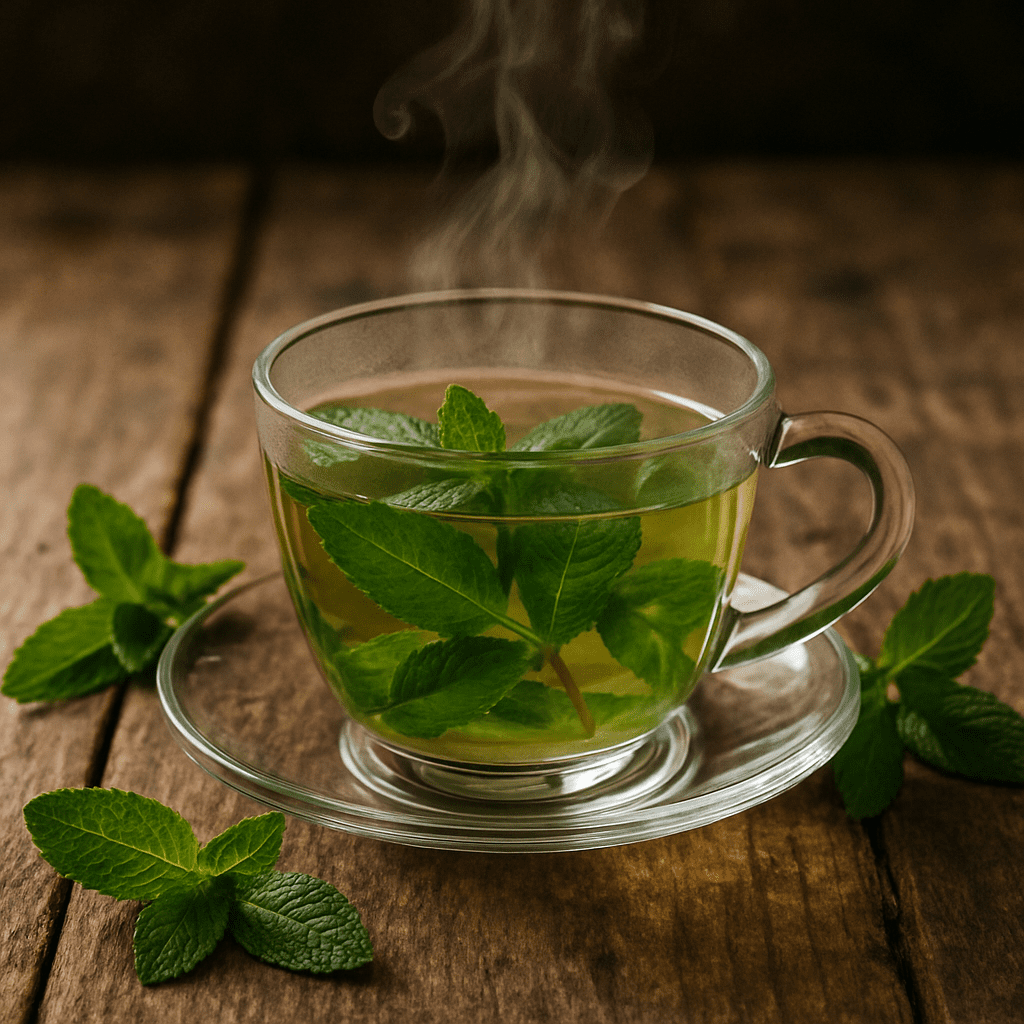
Besonders beliebt ist ein wärmender Minztee aus frischen Blättern. Übergießen Sie dafür einfach eine Handvoll frisch gepflückter Ackerminze mit heißem (nicht mehr kochendem) Wasser und lassen Sie das Ganze für etwa sieben bis zehn Minuten ziehen. Im Sommer lässt sich daraus auch eine wunderbar erfrischende Limonade zaubern.
Auch spät im Jahr kann man noch fündig werden, denn die Pflanze gehört zu den Essbare Wildpflanzen im Herbst, die bis in den Oktober hinein frisches Grün liefern können, sofern es keinen starken Frost gab. Sie passt hervorragend gehackt in Joghurt-Dips, zu orientalischen Gerichten oder als würzige Dekoration auf Desserts.
Heilkraft aus der Natur: Die Ackerminze Wirkung
Seit Jahrhunderten wird die Pflanze in der traditionellen Medizin geschätzt. Die Mentha arvensis Heilwirkung basiert in erster Linie auf ihren wertvollen Inhaltsstoffen, allen voran dem ätherischen Öl. Bemerkenswert ist dabei der hohe Mentholgehalt in Wildkräutern wie dieser.
The Ackerminze Wirkung zeigt sich in verschiedenen alltäglichen Bereichen:
- Verdauung: Die Pflanze ist ein klassisches Hausmittel für bessere Verdauung. Eine Tasse Ackerminztee nach einer schweren Mahlzeit wirkt krampflösend auf den Magen-Darm-Trakt, fördert die Produktion von Gallensaft und hilft gegen Blähungen und Völlegefühl.
- Airways Bei Erkältungen wirkt das Inhalieren eines Aufgusses der Blätter schleimlösend und befreit die Nase.
- Schmerzlinderung: Äußerlich angewendet, etwa als Öl oder Tinktur, entfaltet das enthaltene Menthol einen kühlenden und leicht betäubenden Effekt.
Japanisches Minzöl: Ein starkes Extrakt der Ackerminze
Vielleicht haben Sie schon einmal von Japanischem Heilpflanzenöl gehört. Wussten Sie, dass dieses berühmte Öl nicht aus der Pfefferminze, sondern aus einer asiatischen Unterart der Ackerminze (Mentha arvensis var. piperascens) gewonnen wird?
The Anwendungsbereiche japanisches Minzöl sind enorm vielfältig. Durch Destillation wird das Öl hoch konzentriert, weshalb es extrem stark wirkt. Es ist bekannt als hochwirksames, Natürliches Mittel gegen Spannungskopfschmerzen. Trägt man ein bis zwei Tropfen (Vorsicht, nicht in die Augen reiben!) auf die Schläfen und den Nacken auf, blockiert die Kälteempfindung die Schmerzweiterleitung.
Auch die Wirkung von Minzöl auf die Haut ist beachtlich. Es fördert die Durchblutung und entspannt die Muskulatur, weshalb es oft in Massageölen für Sportler oder bei Muskelkater eingesetzt wird. Achtung: Ätherische Öle sollten auf der Haut (außer bei punktueller Schmerzanwendung wie an den Schläfen) immer mit einem Trägeröl, wie Mandel- oder Olivenöl, verdünnt werden, um Hautreizungen zu vermeiden.
Ackerminze im eigenen Garten: Anbau und Pflege
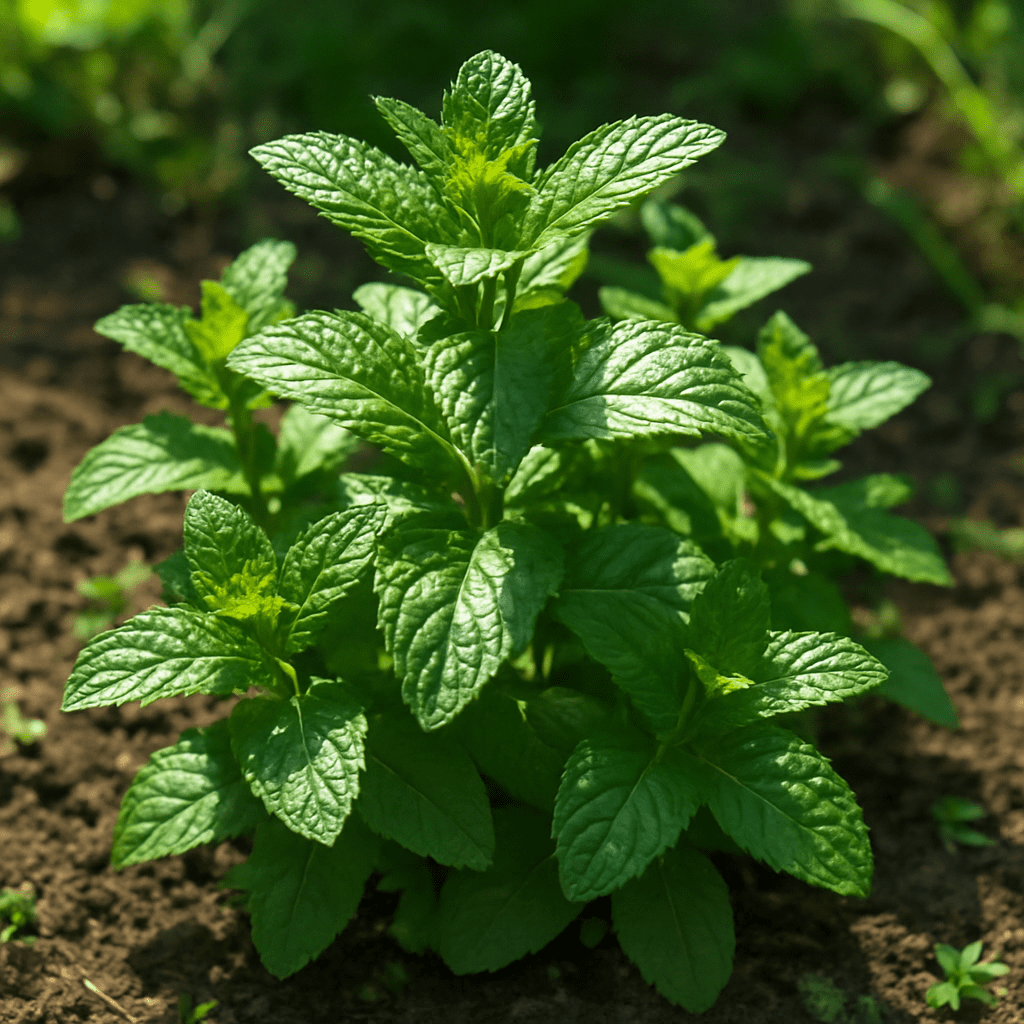
Wer die Vorzüge dieser Pflanze jederzeit genießen möchte, kann sie problemlos im eigenen Garten oder auf dem Balkon kultivieren. Minzen sind generell sehr wuchsfreudig.
Um den Standort für Lippenblütler optimieren zu können, sollten Sie wissen, dass die Ackerminze feuchte, nährstoffreiche Böden liebt. Ein halbschattiger bis sonniger Platz im Garten ist ideal. Wenn Sie sie ins Freiland setzen, empfiehlt sich eine Wurzelsperre (z.B. ein tief in die Erde eingelassener Eimer ohne Boden), da sie durch ihre unterirdischen Ausläufer sonst schnell ganze Beete überwuchert.
Ein Problem, das bei fast allen Minzarten auftreten kann, ist der Minzrost – eine Pilzerkrankung, die sich durch kleine, rötlich-braune Pusteln auf der Blattunterseite bemerkbar macht. Was tun bei Minzrost?
- Befallene Blätter sofort entfernen und im Hausmüll entsorgen (nicht auf den Kompost).
- Bei starkem Befall die Pflanze bodennah abschneiden; sie treibt meist gesund wieder aus.
- Vorbeugend auf einen guten Standort achten: Die Pflanzen nicht zu dicht setzen, damit der Wind die Blätter nach dem Regen schnell trocknen kann.
Ernte und Haltbarkeit: Das Aroma einfangen
Die beste Zeit zur Ernte ist kurz vor der Blüte (etwa Juni bis Juli), da hier die Konzentration der ätherischen Öle am höchsten ist. Aber wie lassen sich Wilde Kräuter richtig trocknen, ohne dass sie an Aroma verlieren?
Gehen Sie dabei wie folgt vor:
- Schneiden Sie die Stängel am Vormittag ab, sobald der Morgentau getrocknet ist.
- Binden Sie kleine Sträuße und hängen Sie diese kopfüber an einen dunklen, warmen und gut durchlüfteten Ort (z.B. auf dem Dachboden). Direkte Sonneneinstrahlung zerstört die ätherischen Öle!
- Alternativ können Sie die Blätter auf einem Gitterrahmen oder im Dörrautomaten bei maximal 35 Grad Celsius schonend trocknen.
- Sobald die Blätter rascheln und leicht zerbröseln, können sie abgestreift und in luftdichten Gläsern dunkel gelagert werden.
Conclusion
Die Ackerminze ist weit mehr als nur ein wohlriechendes Unkraut am Feldrand. Von der lindernden Tasse Tee bei Magenbeschwerden über die Erfrischung im Sommergetränk bis hin zur schmerzlindernden Wirkung in Form von hochkonzentriertem Minzöl – sie ist ein vielseitiger Begleiter in Küche und Hausapotheke. Wenn Sie das nächste Mal in der Natur spazieren gehen, halten Sie doch einmal Ausschau nach den violetten Blütenquirlen und holen Sie sich ein Stück dieser wunderbaren Wildpflanze nach Hause.