
The Fascinating World of American Pipevines
When it comes to an impressive, large-scale green wall, one plant quickly comes into focus thanks to its imposing appearance: the American Pipevine (Aristolochia macrophylla). For those looking for that special something for their garden design and a heart-shaped leaves climbing plant will be delighted by this North American beauty. It transforms bare house walls, old fences, and drab garden fences into a vibrant, swaying sea of leaves and brings an almost tropical flair to local gardens.
In this guide, you'll learn everything you need to know about this extraordinary plant – from the optimal location to the right pruning, to valuable tips for everyday gardening.

A Giant of the Skies: Growth and Characteristics
The American Pipevine is a true survivor and climbing master. But what should you know about its growth before choosing this plant?
Considering Growth rate and maximum height, it quickly becomes clear that this plant needs space. After a short acclimatization period at its new location, it can achieve annual growth of 1 to 2 meters. Under ideal conditions, it easily climbs to an impressive height of up to 10 meters. With its often up to 30-centimeter-large, overlapping leaves, it forms a dense wall of foliage that not only looks fantastic but also acts as a natural heat shield for buildings in the summer.
The perfect location: lighting and soil conditions
Most climbing plants need a lot of sun to grow luxuriantly. The American Dutchman's Pipe is a welcome exception. It is the absolute queen of shade.
If you have a robust Climbing plant for shady north-facing walls search, she is the first choice. Deciduous climber hat Location requirements, which in this case are very manageable:
- Light Tolerates partial to full shade excellently.
- Floor The soil should be fresh, rich in humus, deep, and well-drained. It likes consistent moisture but does not tolerate waterlogging.
- Wind A sheltered location is advantageous, as strong winds can tear the large leaves.
In addition, it is considered an excellent, Winter-hardy privacy screen for shade. Although it sheds its leaves in autumn, its dense, intertwined branches still offer structure and privacy in the cold season.

Trumpet vine or ivy? The best choice for your house wall
When planning a green wall, homeowners often face the question: Climbing honeysuckle or ivy for facade greening?
There's a clear winner here if you want to protect your masonry. While ivy clings to plaster with aggressive aerial roots, often causing severe damage when removed, the pipevine offers a gentler Facade greening without adhesive roots. As a so-called "Schlinger," it merely clings to the supports offered to it, without attacking the building structure itself.
Furthermore, she positions herself as wonderful Alternatives to wisteria for partial shade. Wisteria not only needs a lot of sun, but its extremely strong shoots can also crush gutters. The American Dutchman's pipe grows much more gently in this regard.
Choosing the right climbing aid
Since it has no anchoring roots, stable Support for vigorous twining climbers imperative. Ideal are:
- Vertical stainless steel cables (with at least 10-15 cm wall clearance for good ventilation)
- Stable wooden trellises
- Robust metal grating
Planting: The best start for your climbing plant
If you have a buy American Dutchman's Pipe, planting in spring (April to May) or early autumn is recommended. If you'd prefer to save yourself the trip to garden centers, you can easily purchase one today Buy large-leafed pipe vines online and have them delivered directly to your home. Look for container plants, as these grow best.
Planting Tip: Dig a planting hole twice the size of the root ball. Work plenty of compost into the soil to give the plant the necessary starting energy. Water it regularly for the first few weeks.

Aristolochia macrophylla Care: A Guide
The Aristolochia macrophylla care It's basically very uncomplicated, but requires a little attention regarding its water needs. Due to its huge leaf mass, the plant evaporates enormous amounts of water in the summer. On hot days, it therefore needs to be watered abundantly. A layer of bark mulch over the root area helps to retain soil moisture.
Properly pruning and caring for a variegated butterfly bush
So that the plant doesn't become bare from the bottom over the years, you need to Properly pruning and caring for a variegated butterfly bush.
- Time The best time for pruning is late winter (February to early March), before new leaves emerge.
- Procedure Thin out overly dense shoots. Cut off dead or crossing branches.
- Rejuvenation pruning: If the plant has become bare at the bottom, it can also tolerate a radical pruning to about half a meter in height. It will reliably sprout again in the spring.
Why isn't my Dutchman's pipe blooming?
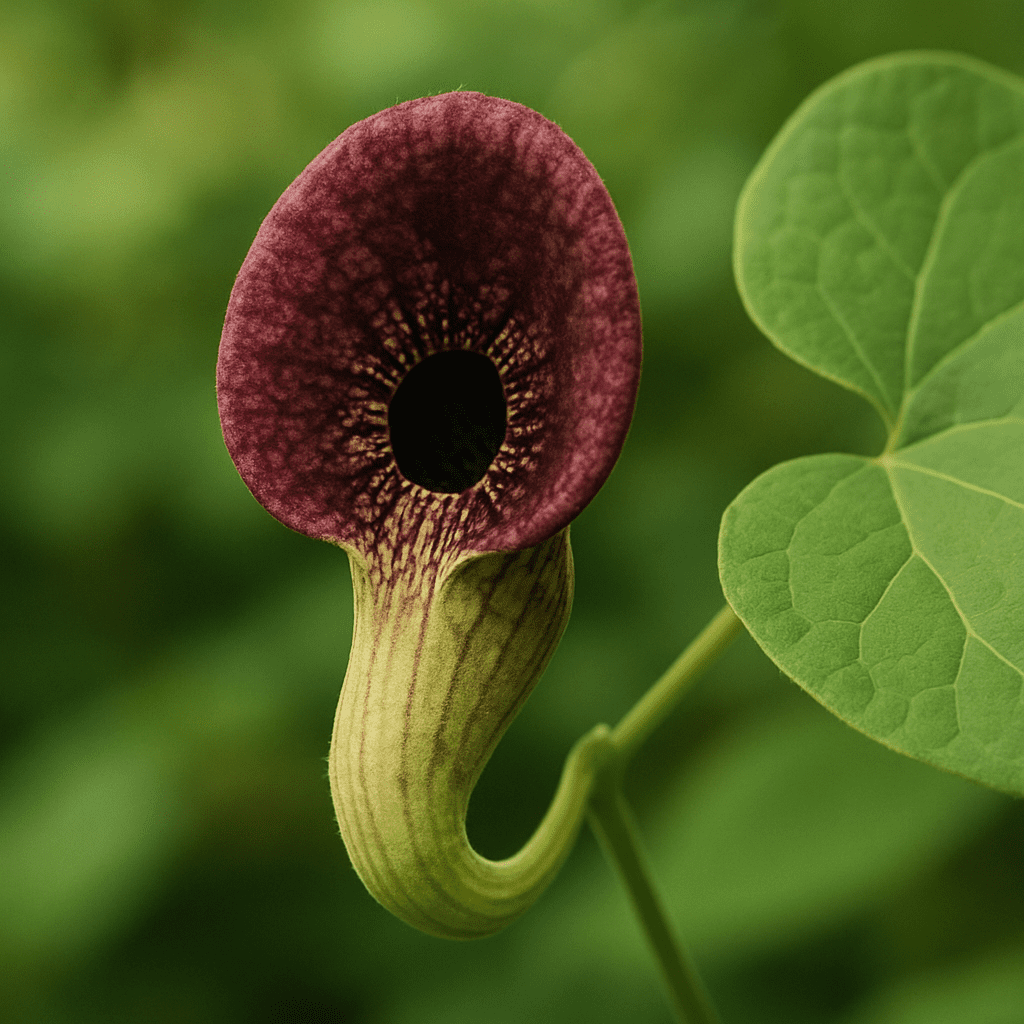
Many gardeners eventually ask themselves the question: Why isn't my Dutchman's pipe blooming?The bizarre yellow-brown flowers, reminiscent of Dutch tobacco pipes, are a fascinating detail of the plant. If they are absent, here are the possible reasons:
- The age of the plant: Pipevine plants need time. It often takes three to five years after planting before they bloom for the first time.
- Too much nitrogen: An excess of nitrogen-heavy fertilizer promotes only leaf growth, but inhibits flower formation. Instead, opt for potassium- and phosphorus-heavy fertilizers (like mature compost).
- Too dark location: While it grows excellently in deep shade, it ideally needs some diffused sunlight (partial shade) for flower formation.
Propagation and Important Notes
Anyone who can't get enough of this spectacular climbing plant can Propagating Aristolochia macrophylla by cuttings. To do this, cut off about 15 cm long, semi-ripe shoot pieces in early summer (June/July). Remove the lower leaves and place the cuttings in pots with moist seedling soil. Under a transparent cover (for high humidity) and in a warm, shady location, the cuttings will root after a few weeks.
Caution with pets
An important aspect that every garden owner should clarify before planting: Is bindweed poisonous to petsThe answer is unfortunately: Yes. All parts of the plant American Pipevine contain aristolochic acid, which is toxic to dogs, cats, rodents, and horses. Ingesting leaves or shoots can lead to gastrointestinal upset, vomiting, and in the worst case, kidney damage. However, since the plant has a rather inconspicuous scent and is not particularly tasty, poisonings are rare. Nevertheless, puppies or particularly curious pets should be kept away from the plant.
Conclusion: A masterpiece for any house facade
The American Dutchman's Pipe is much more than just a simple green plant. With its rapid growth, dense foliage, and undemanding nature in shady locations, it solves several garden problems at once. It protects masonry, doesn't require adventitious roots, and transforms dark backyards or north-facing sides into green oases of well-being. If you observe basic care principles, provide a sturdy climbing support, and reach for the watering can during dry spells, this climbing artist will faithfully accompany you for decades.