
Discover the healing powers of the field scabious
Pale violet flowers gently swaying in the warm summer breeze – the field scabious (Field scabious) is a real eye-catcher in our local meadows. But behind this delicate and picturesque facade lies far more than just a pretty splash of color in the landscape. It has been valued and used in traditional folk medicine for centuries. In this comprehensive article, we delve deep into the fascinating world of this native wild perennial, illuminate its hidden healing powers, and show you how to successfully integrate it into your own garden.
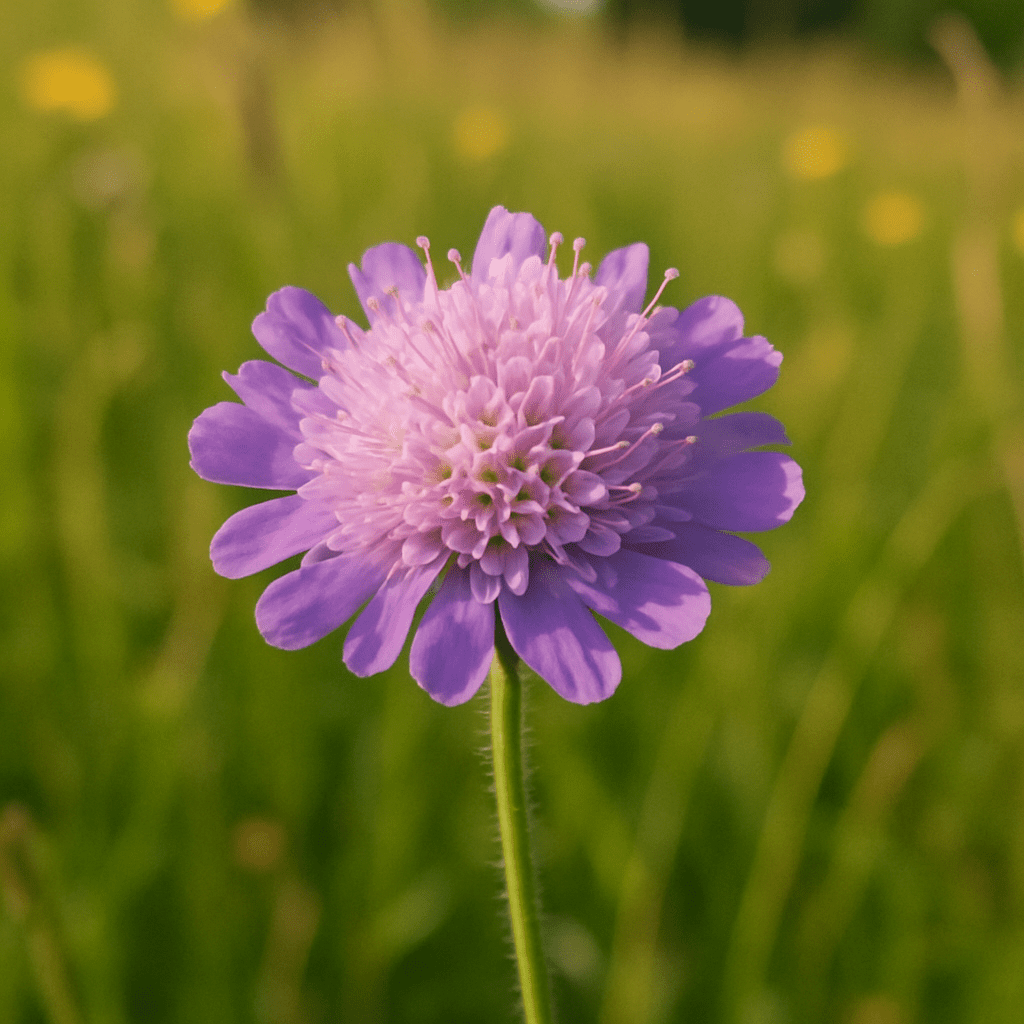
A look at the plant's profile: What is the field scabious?
Field Scabious belongs to the botanical family Caprifoliaceae and is native to Europe and parts of Asia. Many nature lovers who encounter this pretty plant on a walk or want to introduce it to their garden often ask an important question: Is Field Scabious poisonous? You can be completely at ease here. The plant is absolutely non-toxic to humans and animals. Young leaves can even be used in spring as an edible, slightly bitter addition to wild herb salads, and the purple flowers are excellent as an edible decoration.
Another common question from plant enthusiasts is: When does the native widow's flower bloom? This perennial plant delights us with an extremely long and enduring flowering period. This extends from May well into August, often even into early October. It is precisely this long bloom that makes it an indispensable component for naturalistic areas.
Health from Nature: Knautia arvensis Medicinal Effects and Application
Although it is often overshadowed by more well-known herbs like chamomile or peppermint today, meadowsweet has a long and proven tradition in natural medicine. Its active ingredients—including tannins, valuable bitter compounds, and saponins—make it a versatile medicinal herb, known primarily for its purifying and astringent effects.
The Knautia arvensis: Healing Properties and Application extends to various areas of the body:
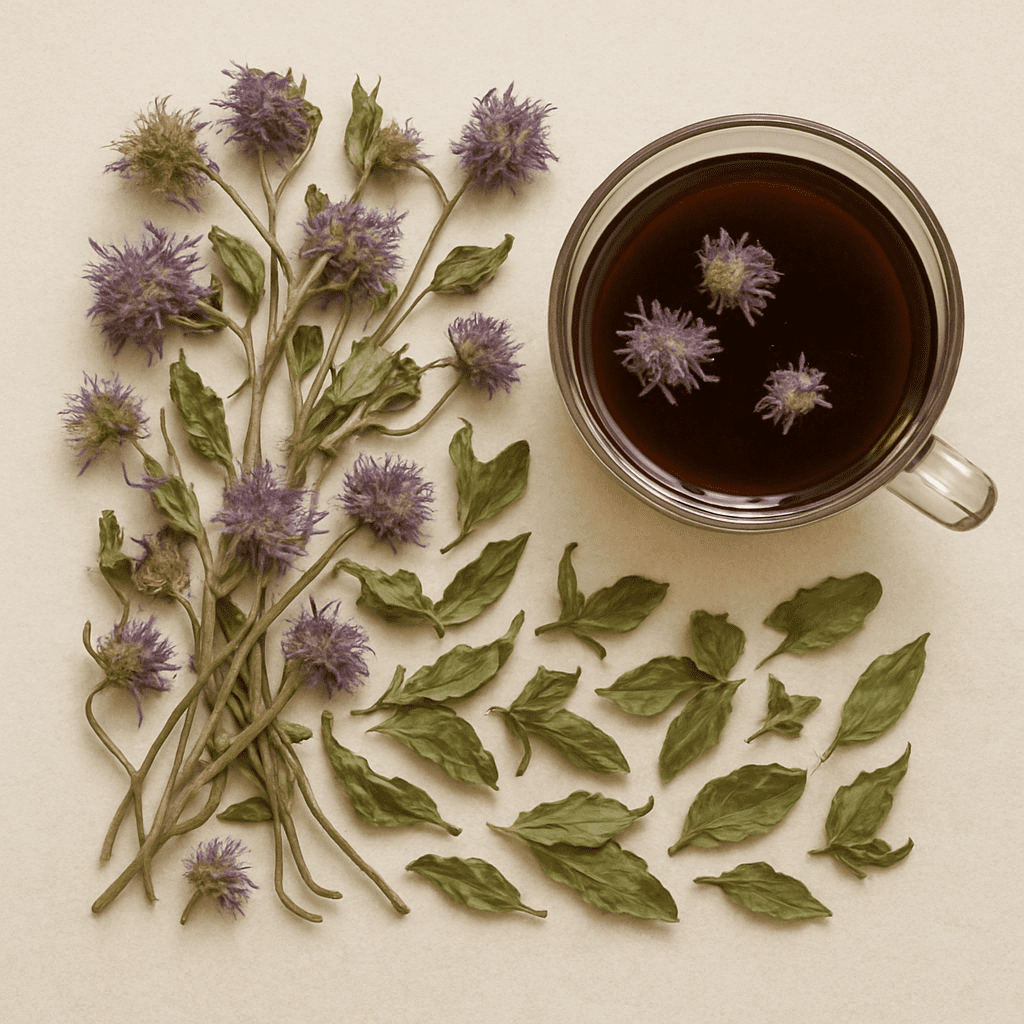
- Skin conditions and wound healing: Historically, the infusion made from dried leaves and flowers was used to treat eczema, minor wounds, insect bites, or acne. Its anti-inflammatory and astringent properties soothe irritated skin and promote healing. Washes or compresses are the preferred method of application.
- Metabolism and Digestion When prepared as tea, the bitter substances it contains gently stimulate the production of digestive juices. This supports metabolism, helps with feelings of fullness, and has a mild detoxifying effect.
- Airways For mild colds, coughs, or sore throats, a lukewarm tea made from field scabiosa can have expectorant and soothing effects.
Recipe tip for widow's flower tea: Brew two teaspoons of the dried herb with 250 ml of boiling water. Let the infusion steep for about 10 minutes before straining. If needed, drink one to two cups daily in small sips.
Botanical Nuances: The Difference Between Scabiosa and Widowflowers
For the layperson, many purple meadow flowers look confusingly similar. The danger of confusing the field scabious with the various species of scabiosa is particularly high. The difference between scabiosa and scabious, however, lies in a small but very clear anatomical detail: the number of petals on the tiny individual flowers that make up the hemispherical flower head.
While the field scabious always has four-lobed individual flowers, scabiosa species have five lobes. If you want to identify and distinguish the closely related greater scabious, for example, you only need to count the small petals of an individual flower on the edge of the inflorescence (four = field scabious, five = scabiosa). This simple botanical mnemonic will help you correctly identify the plants on every walk.
A paradise for insects: The ecological importance of Knautia arvensis
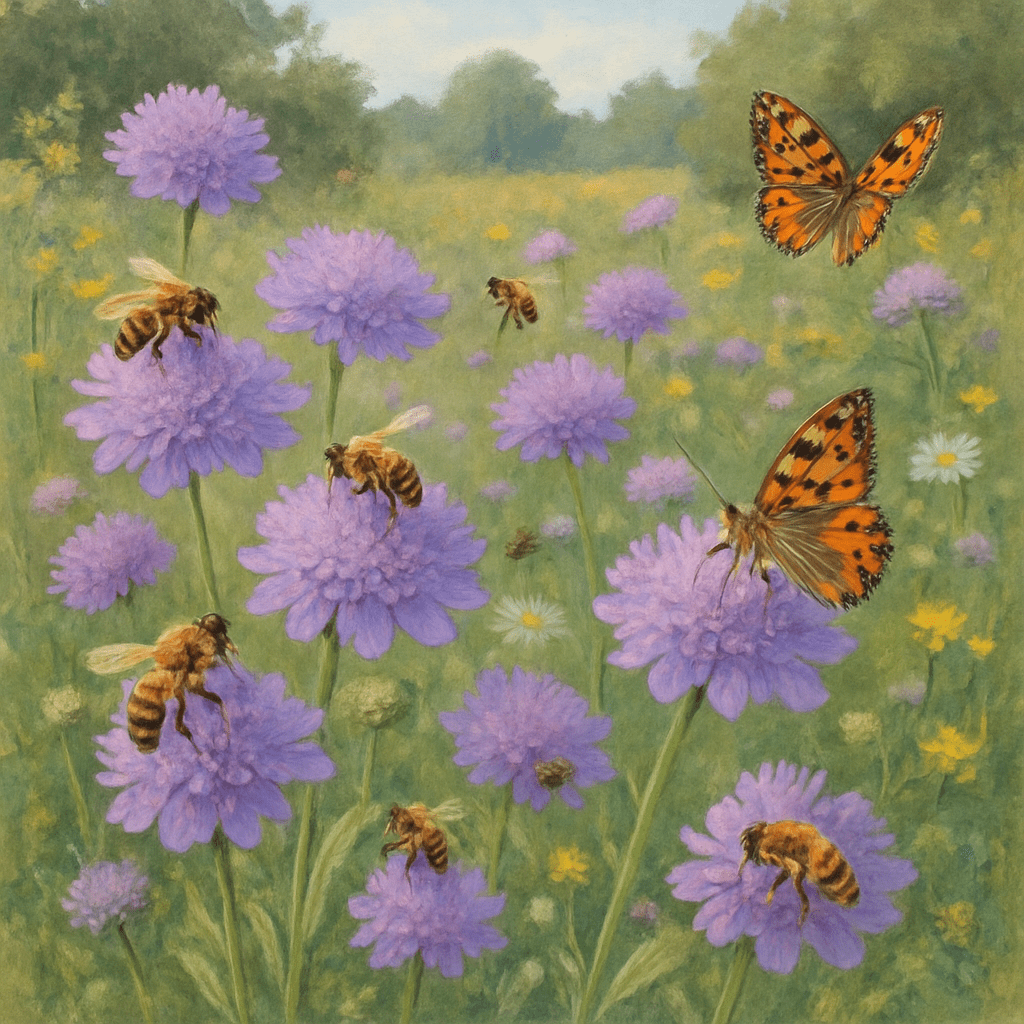
The field scabious is not only valuable to us humans, but also plays a supporting role in the ecosystem. The ecological significance of Knautia arvensis can hardly be overestimated. Its easily accessible, nectar- and pollen-rich flower offering makes it one of the most important food sources for insects in midsummer, when many other plants have already finished blooming.
When creating a wildflower meadow for bees, the field scabious must not be missing from the seed mixture. It is an absolute key plant. Highly specialized wild bees in particular, such as the endangered **Knautia Sand Bee** (Andrena hattorfianaare existentially dependent on this specific plant as a pollen source for their brood.
In addition, it is considered one of the best butterfly plants for natural gardens. Cinnabar moths, the marbled white, the meadow brown, and the purple emperor are practically magically attracted to the purple cushions.
Cultivating Field Scabious in Your Own Garden
Anyone who wants to do something good for local wildlife and at the same time appreciates uncomplicated, robust beauty should definitely plant this perennial in their own garden. But what exactly are the optimal Knautia arvensis habitat requirements?
The perfect location and soil
The plant loves light and warmth. It thrives best in full sun. In the course of climate change, drought-resistant plants for sunny beds are in greater demand than ever. The field scabious is a prime example: its deep, strong taproot allows it to draw water from deeper soil layers and to easily withstand even weeks of drought during the height of summer.
Pay special attention to the soil requirements of lime-loving wildflowers. Field scabious prefers lean, well-draining, and calcareous soils. It does not tolerate nutrient-rich, moist, or waterlogged soils at all – it will quickly wither away here. If you have heavy, loamy soil in your garden, you should generously incorporate sand and fine gravel before planting to improve drainage. Easy-to-care-for wildflowers for dry locations like this often thrive best when you simply leave them alone after they have established. Another major advantage: they fall into the category of absolutely winter-hardy wild perennials for the garden and do not require any special winter protection, even in severe frost.
Practical Tips: Sowing and Care
For the perennial to thrive beautifully in your garden, here are the most important handling tips:
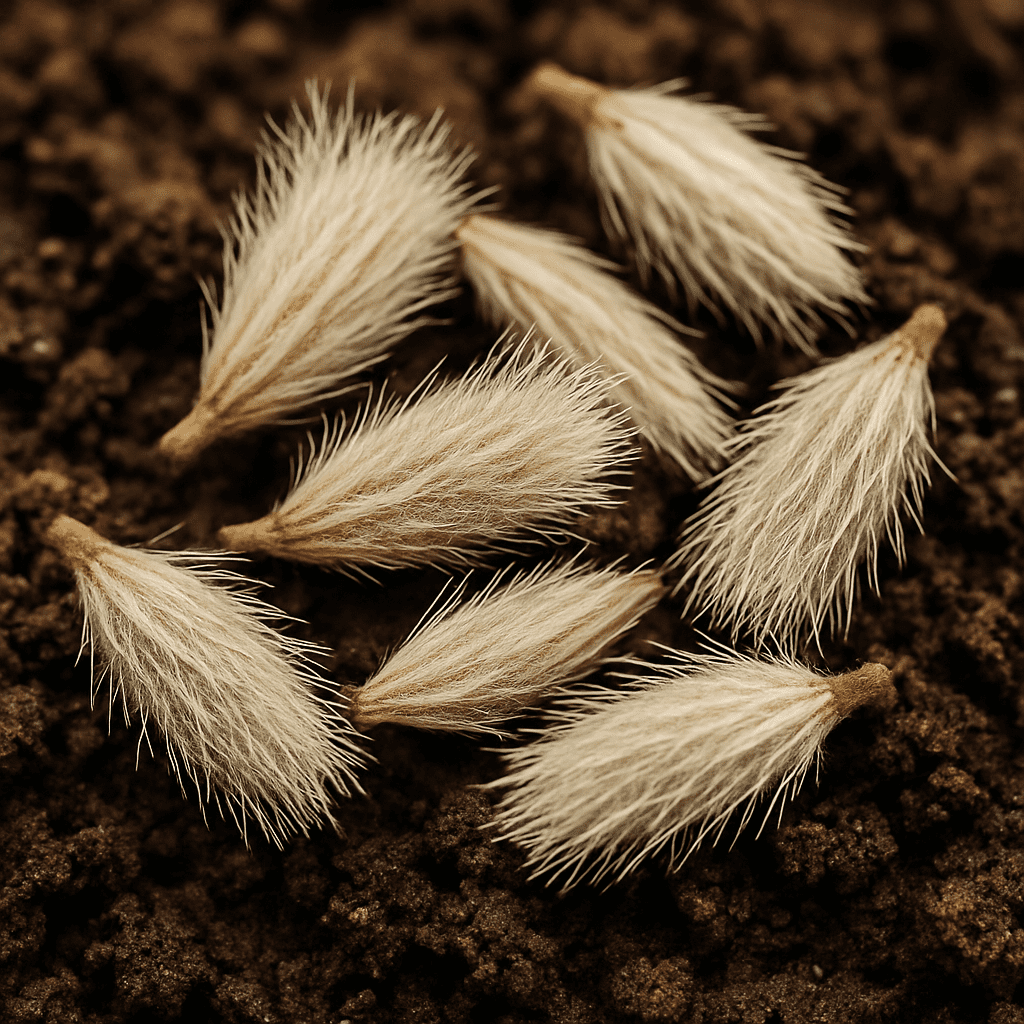
- Sow Knautia arvensis seeds: Sowing ideally takes place in early spring (March to April) or early autumn (September to October). As the plant is a so-called cold germinator, seeds sown in autumn benefit from the natural, winter temperatures, which break the dormancy of the seeds. Lightly press the fine seeds onto the soil – they need light to germinate and should not be thickly covered with soil. Keep the sowing moderately moist for the first few weeks.
- Cutting and caring for Knautia arvensis: The care required is minimal, making it the ideal plant for lazy gardeners. You should completely forego fertilizer. However, to keep the plant vital and encourage a second bloom wave (re-blooming) in late summer, you can regularly deadhead spent flowers.
- Allow self-seeding: If you want the plant in your bed to spread naturally, simply leave some flower heads on in late summer and fall. Birds enjoy feasting on the seeds in winter, and the rest fall to the ground. Cut back the dried stems close to the ground in late winter or early spring, before the fresh new growth begins.
Conclusion: An underestimated treasure of our native flora
The field scabious is a shining example of how aesthetic beauty, medicinal benefits, and invaluable ecological value can merge in a single plant. From its mild, anti-inflammatory healing properties to its life-saving role as a nectar and pollen source for endangered insects, and its undemanding nature in a sunny flowerbed – it is an absolute asset in every respect.
By bringing such native, wild beauties back into our gardens, we not only make an active contribution to nature conservation, but also create small, low-maintenance, and buzzing oases of well-being for ourselves. Make space for this delicately violet survivor in your next gardening season and be inspired by its longevity and liveliness!