
The Importance of Field Forget-Me-Not in Horticulture
Tender, sky-blue blossoms that lie like tiny stars across the flowerbed – forget-me-nots are hard to imagine in our gardens. But while most hobby gardeners opt for cultivated varieties or woodland species, a modest but incredibly valuable relative is often forgotten: the field forget-me-not (Field Forget-me-not).
In times when nature-friendly gardening and the preservation of biodiversity are becoming increasingly important, this fascinating plant is experiencing a well-deserved comeback. Learn why this charming plant is a real asset to your green sanctuary and how to successfully integrate it.

Myosotis arvensis Fact Sheet: The Plant at a Glance
Before we dive deep into gardening practices, a brief Myosotis arvensis fact file, to get to know the plant better:
- Plant family: Borage family
- Growth: Annual to winter annual
- Growth height: 10 to 40 centimeters
- Blossom Tiny (about 3–5 mm), bright light blue with a yellow throat ring
- Root Taproot
Flowering period and visual identification features
The forget-me-not blooming period is a real highlight in the gardening year. But When does the field forget-me-not bloom? Really? Unlike many spring-blooming plants, this species is incredibly hardy. Flowering usually begins in May and, depending on the weather and location, can continue well into autumn (October).
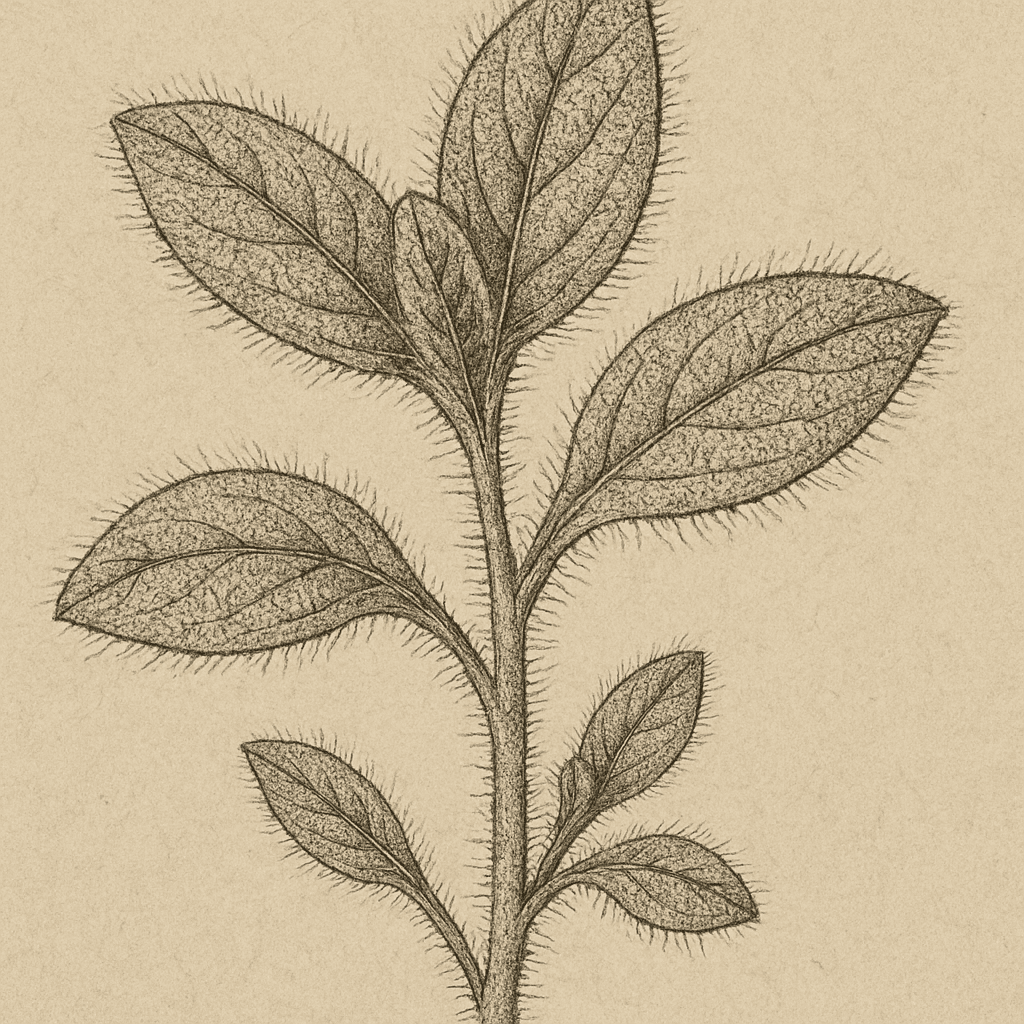
How to identify Myosotis species In the wild or in your own garden bed? Look at the stems and leaves. If you examine the Leaf characteristics of hairy wild plants, ...one notices that the entire stem and the lanceolate leaves of the field forget-me-not are covered with fine, protruding hairs. This fuzz is typical of the boraginaceae family and serves as natural protection against herbivores and excessive evaporation.
The high risk of confusion: wood forget-me-not or field forget-me-not?
When identifying Confusion with the wood forget-me-not (Forget-me-notwhich is the parent form of most commercially available ornamental forget-me-nots.
The Difference between Myosotis arvensis and sylvatica can be identified by a few clear characteristics:
- Flower size: The forest forget-me-not has noticeably larger flowers (up to 10 mm in diameter), while the field forget-me-not has tiny, funnel-shaped flowers, usually under 5 mm.
- Grave pipe The field forget-me-not has a calyx densely covered with hooked hairs.
- Location preference: As the name suggests, they prefer different habitats (shade under trees vs. open areas).
The perfect forget-me-not location
To ensure that the plants thrive, you need to provide the ideal Forget-me-not location Choose. The field forget-me-not is a true survivor, but prefers loamy, nutrient-rich, and loose soils.
Upon reflection, considering Site requirements for annual wildflowers, it becomes clear: they need bare patches of soil (so-called "disturbance sites") to germinate. Unlike perennial shrubs, they cannot establish themselves in a dense lawn. In the garden, they thrive particularly well along field edges, in light partial shade, or as loose underplanting beneath taller summer flowers. When grown in small groups, they even serve as low-maintenance ground covers for sunny locations up to semi-shady areas that protect the soil from drying out.
Ecological value: A feast for insects
The The ecological importance of wild herbs in farmland cannot be stressed enough. Due to intensive agriculture, plants like the field forget-me-not have disappeared from our landscape in many places.
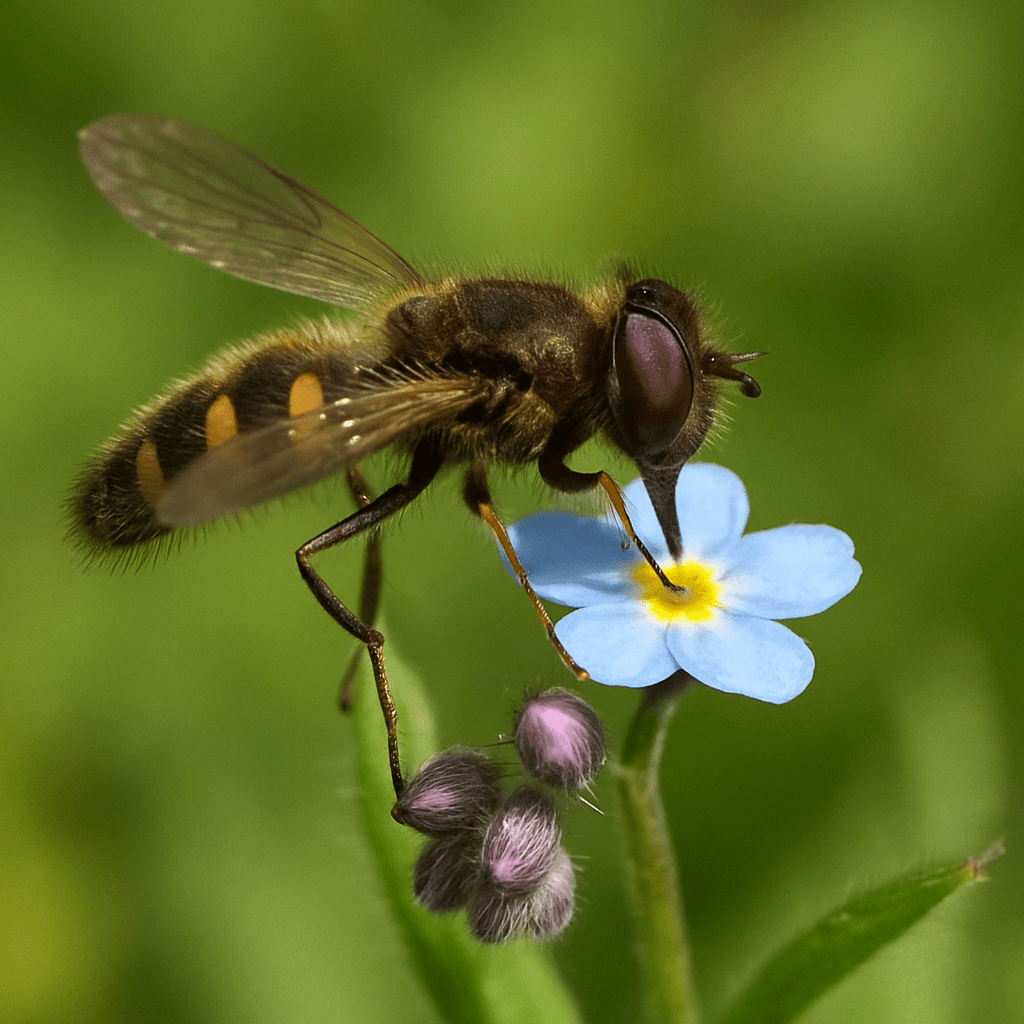
If you this Wildflowers for the natural garden Plants, make an active contribution to nature conservation. The flowers may be tiny to the human eye, but they offer abundant nectar and pollen. Small wild bee species, hoverflies, and butterflies, in particular, are drawn to the blue dots. They are considered excellent Insect-friendly plants for poor soil and ecologically valuable enliven otherwise dull garden areas.
Garden Practice: Sowing and Care
The field forget-me-not asks little of the gardener if the basic conditions are right.
This is how sowing succeeds
Do you want Sow bee-friendly wildflowers, is the Sowing Forget-Me-Not Seeds A wonderful beginner project.
- Time The best time is late summer (August/September) or early spring (March/April).
- Procedure Select open, lightly loosened soil spots. The seeds are only pressed lightly into the surface as they are light germinators. Keep the soil moderately moist for the first few weeks.
- Overwintering If the seeds are sown in autumn, they form a small rosette of leaves before winter. The following spring, they then shoot up and bloom particularly early.
Encourage self-seeding in the garden
Once you've successfully established the plant in your garden, you'll hardly need to intervene in the following years. The secret lies in the Encourage self-seeding in the garden to want. Proceed as follows:
- Don't cut off faded plants immediately.
- Let the seed heads fully mature (they will turn brown and dry).
- When you hoe the beds, intentionally leave small, hairy rosettes in the spring.
Is there a healing effect?
Many gardeners wonder if native wild herbs also have applications in traditional medicine. Healing effects of small leafy plants – which also includes the forget-me-not – was well-known in traditional folk medicine.
The plant was said to have astringent and anti-inflammatory properties. It was often used as a tea or compress for minor skin injuries or respiratory ailments. Today, however, cornflower plays hardly any role in modern herbal medicine and is generally no longer recommended for internal use due to potentially contained pyrrolizidine alkaloids, which can burden the liver. Therefore, it's best considered an aesthetic and ecological medicine for the soul and your garden!
Conclusion: Small but mighty!
The annual forget-me-not is much more than just an inconspicuous „weed.“ It bridges traditional garden design and modern nature conservation. With its long blooming period, its hardiness, and its immense value for insects, it is the perfect choice for anyone who wants to make their garden more vibrant and resilient.
Give this native wildflower a chance, leave a few bare soil spots in the bed, and enjoy the countless sky-blue blossoms that magically attract insects. Your garden—and nature—will thank you for it!