The Care and Propagation of Adonis
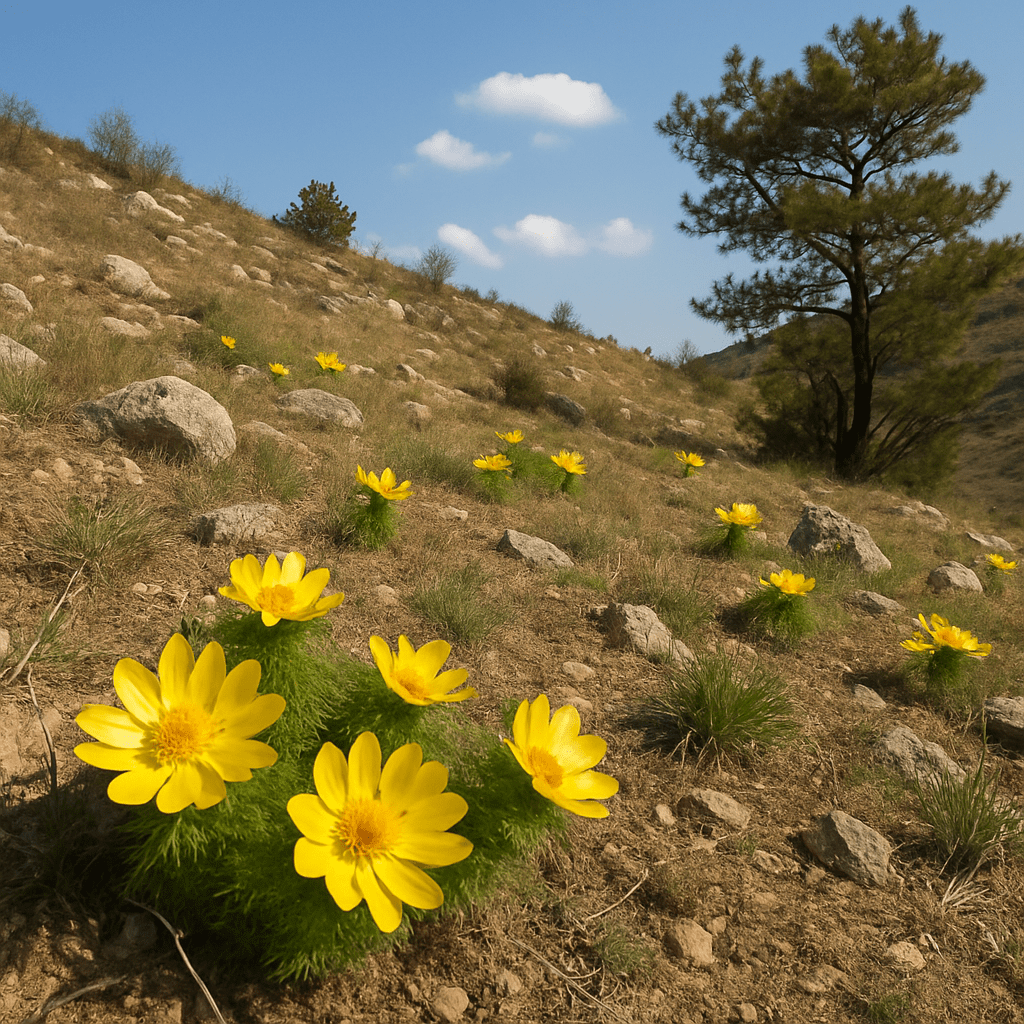
According to ancient traditions, the tragic Myth of Aphrodite and Adonis a breathtaking bloom. Today, the pheasant's eye presents itself in the wild no less dramatically. While the forests are still asleep, a sudden, bright yellow splash of color breaks through the dry winter grass, impressively announcing the new season.
This early harbinger of spring shares the basic Characteristics of the Ranunculaceae family, the Ranunculaceae family. However, do not be fooled by the cheerful, silky petals. Every delicate part of the plant has a highly toxic defense mechanism. When caring for and propagating this rare survivor, respect for its dangerous beauty always comes first.

Golden Splendor or Red Accent? How to Distinguish Adonis vernalis from Adonis annua
A luminous bloom with leaves as delicate as fine carrot greens immediately catches the eye in nature. Upon direct comparison Adonis vernalis vs. Adonis annua it quickly becomes apparent that both plants, while sharing this delicate foliage, pursue completely different lifestyles in nature.
To safely distinguish between the two species on your next walk, pay attention to these three simple features:
- Flower color: The spring variety glows intensely yellow, while the summer variant shines in a deep red.
- Prime The yellow roseseed already brightens the dry meadows in April, while the red one doesn't bloom until high summer.
- Lifespan: The Spring Beauty is a true perennial. This means it retreats in winter and sprouts anew from the same root each year. The summer variety is an annual—it blooms for just one season, reseeds itself, and then disappears completely.
Whoever Yellow early bloomers for dry locations Anyone who wants to bring them into their own garden must know their strict rules and create a perfect home for these demanding native perennials.
Lime, Sun, and Dryness: Creating the Perfect Home for Demanding Wildflowers
In nature, the spring adonis chooses habitats that are far too extreme for many plants. It shapes the flora of Pannonian dry grasslands – sun-drenched, steppe-like landscapes that heat up intensely in the summer. These plants form what is known as xerothermic vegetation: they not only tolerate extreme heat and drought, but they absolutely need them to survive. The site requirements of Adonis vernalis are accordingly clearly defined: the plant demands intense sun and a substrate without any waterlogging.
To replicate this arid home in your domestic flower bed, targeted soil improvement for xerothermic vegetation is crucial. Generously mix heavy garden soil with fine gravel or pebbles so that rainwater drains away immediately, as if through a sieve. Lime-loving perennials for sunny gardens also require regular application of garden lime. Once this stony, warm paradise is established, comes perhaps the biggest challenge for motivated hobby gardeners: consistent restraint in care.
The Art of Doing Nothing: Why Less Care for Adonis Flowers Is More
Caring for early wild perennials like the pheasant's eye requires a surprising approach: almost none at all. Regular flower fertilizers are massively detrimental to this undemanding steppe plant, as they are simply too nutrient-rich. Furthermore, even the slightest waterlogging from well-intentioned watering inevitably leads to fatal root rot.
If you want to cultivate rare wildflowers in your garden, you must also respect their extreme fidelity to location for this species. Once planted, the plant detests any disturbance in the soil. If you leave the root ball undisturbed, the plant will survive completely on its own for decades in the exact same spot. However, anyone who wants to grow this faithful harbinger of spring from scratch faces its own unique challenge when sowing.
Test of patience for cold germinators: Step-by-step guide to successful sowing
Anyone who grows their own seeds needs one thing above all: patience. The pheasant's eye is one of the so-called cold germinators. This simply means that the hard seeds require a longer period of frost to awaken from their deep winter sleep – a process that gardeners call „stratification.“ If a three-year wait until the very first bloom seems too long for you, you'd be better off buying strong, pre-grown pheasant's eye plants and carefully setting them in the garden.
For passionate nature lovers, this short guide to sowing cold-germinating seeds offers a sure path to success:
- Autumn Sowing: Press the fresh seeds shallowly into lean seed-starting mix in late summer or early fall.
- Natural Cold Phase: Leave the pots outdoors throughout the winter so that snow and frost can break the seed dormancy.
- Gentle Awakening: Keep the soil lightly moist in spring until seedlings appear.
As soon as the first delicate, carrot-like greenery finally sprouts after months, the joy is immense. However, this tender spring bloom carries an invisible shield within it, urging every admiring gardener to exercise extreme caution.
Beauty with sharp weapons: Why caution is advised with children and pets
Behind its delicate facade, the Pheasant's Eye conceals enormous biochemical power. It produces so-called cardiac glycosides – natural active ingredients that function in the body almost like the body's own pacemaker. The medicinal use of cardiac glycosides from this plant played an important role in the past as natural support for heart rhythm disorders. However, it is precisely this historically life-saving effect that makes the plant so highly dangerous in the home garden, because, as is often the case in nature, only the dose makes the poison.
Ranunculaceae, such as the pheasant's eye, are highly toxic to pets and humans. Even small plant parts can cause immediate nausea and life-threatening pulse changes in dogs, cats, or curious toddlers. Therefore, always plant these spring bloomers in inaccessible areas, far from play areas. This way, you can admire the flowers safely from a distance – a respectful distance that is also strictly required for completely different reasons when walking in the wild.
Your Contribution to Nature Conservation: Why Poaching is Prohibited
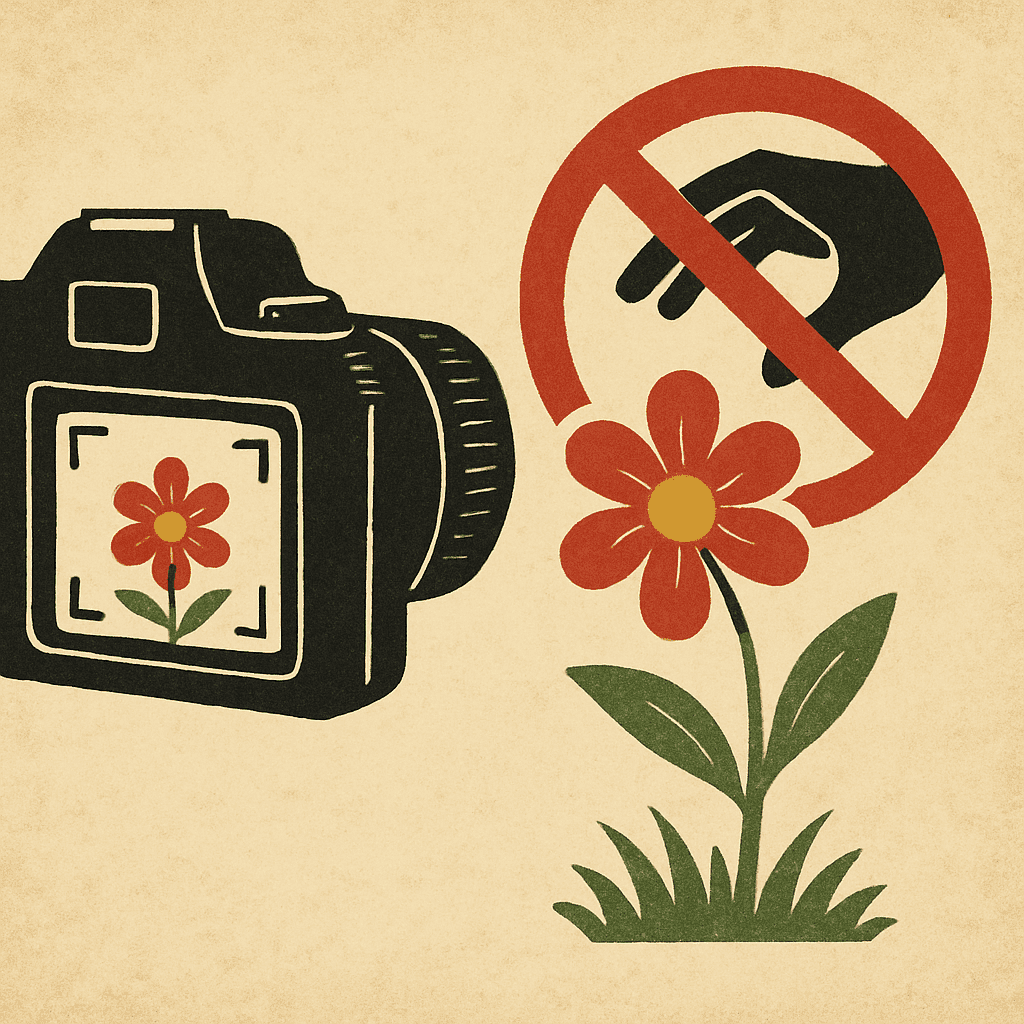
The Adonis flower is far more than an ordinary wildflower; it is a sensitive survivor. Highly ranked on the Red List, this plant demands our utmost respect. This radiant harbinger of spring should be treated like a valuable museum piece: looking is permitted, but touching is strictly forbidden. The Protection status of endangered plant species makes it clear: Picking even a single stem endangers the local ecosystem.
When you discover this eye-catching gold on your next outing, let your camera capture the memory. To enjoy this special beauty in your own backyard, practice the safe cultivation of rare wildflowers by purchasing plants exclusively from certified nurseries. By photographing wild specimens responsibly and legally buying cultivated plants, you actively contribute to the preservation of this rare native flora.