
Pflege und Haltung der Aechmea Lanzenrosette
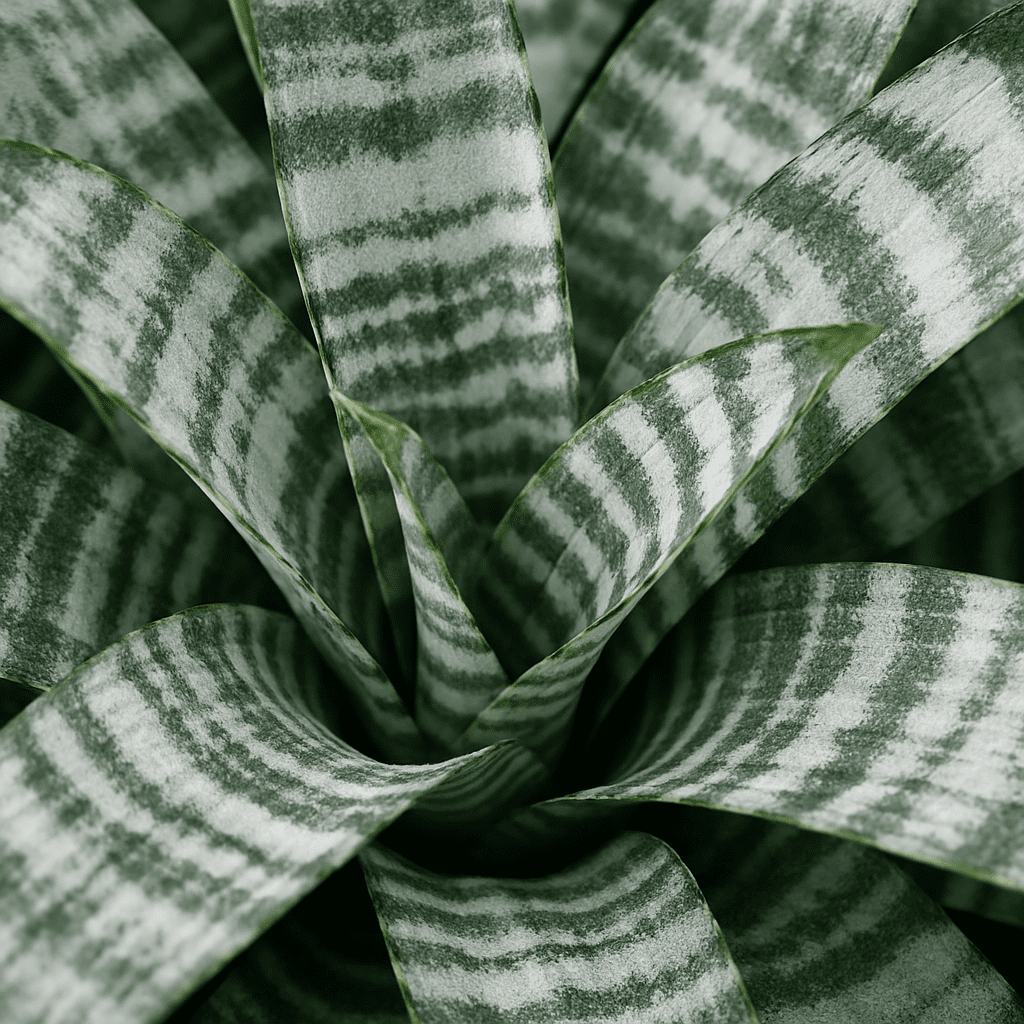
Wer auf der Suche nach einem exotischen und pflegeleichten Highlight für die eigenen vier Wände ist, kommt an der Aechmea Lanzenrosette kaum vorbei. Mit ihren markanten, silbrig gestreiften Blättern und der leuchtend rosafarbenen Blüte zieht diese Tropenschönheit alle Blicke auf sich. Gleichzeitig ist sie nicht nur ein optischer Gewinn, sondern fungiert auch als hervorragendes, luftreinigendes Zimmergrün, das das Raumklima auf natürliche Weise verbessert.
In diesem umfassenden Ratgeber erfahren Sie alles, was Sie über die Aechmea Pflege wissen müssen, damit Ihre Pflanze über Jahre hinweg gesund bleibt und prächtig gedeiht.

Ein tropischer Blickfang: Die Aechmea Lanzenrosette kennenlernen
Die Aechmea, oft auch Aechmea fasciata oder einfach Silbervase genannt, stammt ursprünglich aus den tropischen Regenwäldern Brasiliens. Um ihre Bedürfnisse besser zu verstehen, lohnt sich ein Blick auf die Eigenschaften der Familie der Bromeliaceae (Bromeliengewächse), zu der sie gehört.
In ihrer natürlichen Umgebung wächst die Aechmea Lanzenrosette als Epiphyt (Aufsitzerpflanze). Das bedeutet, sie wurzelt nicht tief im Erdboden, sondern wächst auf den Ästen großer Urwaldbäume. Ihre Wurzeln dienen in der Natur vor allem dem Halt, während sie Wasser und Nährstoffe über ihre Blätter aufnimmt.
Zieht man beispielsweise die Neoregelia im Vergleich zur Silbervase heran – eine weitere beliebte Bromelienart –, fällt direkt ein Unterschied auf: Während die Neoregelia meist eine flache, sternförmige Blattrosette ohne hohen Blütenstand bildet, wächst die Aechmea Lanzenrosette majestätisch in die Höhe und präsentiert stolz ihre ausladende Hochblüte.
Der perfekte Lanzenrosette Standort & Lichtbedarf
Damit die tropische Pflanze ihre markante Blattzeichnung und die kräftigen Farben behält, ist der richtige Lanzenrosette Standort entscheidend.
- Light Der Lichtbedarf der Silbervase ist relativ hoch. Sie liebt helle Plätze mit indirektem Sonnenlicht. Ein Ost- oder Westfenster ist ideal. Pralle Mittagssonne sollte vermieden werden, da dies zu unschönen Verbrennungen auf den Blättern führen kann.
- Wärme: Die optimale Temperatur für tropische Pflanzen liegt das ganze Jahr über zwischen 18 °C und 25 °C. Temperaturen unter 15 °C verträgt die Aechmea nur schlecht. Schützen Sie die Pflanze zudem vor kalter Zugluft.
Aechmea Pflege: Wasser, Dünger & das richtige Substrat
Die Aechmea Pflege unterscheidet sich in einigen wesentlichen Punkten von der klassischer Zimmerpflanzen. Die besten Aechmea fasciata Pflege-Tipps drehen sich vor allem um die einzigartige Art der Wasser- und Nährstoffaufnahme.
Richtig gießen: Das Geheimnis des Trichters
Da die Pflanze Feuchtigkeit in der Natur über ihre Blätter sammelt, ist die Bewässerung des zentralen Trichters (der Blattzisterne) der wichtigste Aspekt der Pflege.
- Füllen Sie den Trichter stets mit weichem, zimmerwarmem Wasser (am besten kalkfreies Regenwasser).
- Wechseln Sie das Wasser im Trichter alle drei bis vier Wochen aus, um Fäulnis und Bakterienbildung zu vermeiden.
- Das Substrat im Topf sollte nur leicht feucht gehalten werden. Ein Übergießen der Wurzeln führt schnell zu Wurzelfäule.
Das Raumklima
Die Pflanze liebt eine feuchte Umgebung. Um den hohen Luftfeuchtigkeitsbedarf tropischer Zimmerpflanzen in unseren beheizten Wohnräumen zu decken, sollten Sie die Blätter regelmäßig mit kalkfreiem Wasser besprühen. Alternativ können Sie einen Luftbefeuchter in der Nähe aufstellen oder den Topf auf eine Schale mit nassen Kieselsteinen setzen.
Substrat und Düngung
Verwenden Sie niemals herkömmliche Blumenerde. Eine lockere, epiphytische Blumenerde (wie zum Beispiel hochwertige Orchideenerde oder ein Mix aus Pinienrinde, Perlit und Sphagnum-Moos) ist zwingend erforderlich, damit Luft an die Wurzeln gelangt.
In der Wachstumsphase vom Frühjahr bis zum Spätsommer können Sie die Pflanze alle vier Wochen mit Nährstoffen versorgen. Verwenden Sie hierfür einen speziellen Epiphyten-Dünger für Innenräume. Dieser wird stark verdünnt direkt in das Gießwasser für den Trichter gegeben oder als stark verdünntes Blattspray angewendet.

Problemlösungen: Krankheiten und braune Blätter
Die Aechmea ist an sich eine sehr robuste Pflanze, doch gelegentlich können Pflegefehler Spuren hinterlassen.
Braune Blattspitzen Ein häufiges Problem ist vertrocknetes Laub. Bei der Behandlung von braunen Blattspitzen sollten Sie zunächst die Luftfeuchtigkeit erhöhen und überprüfen, ob das Gießwasser zu hart ist. Schneiden Sie braune Spitzen bei Bedarf mit einer desinfizierten Schere ab. Wichtig: Lassen Sie immer einen winzigen braunen Rand stehen, damit Sie nicht in das gesunde, grüne Gewebe schneiden, da die Wunde sonst weiter eintrocknet.
Sind Bromelien giftig? Haustierbesitzer können aufatmen. Ein großer Pluspunkt ist die absolute Haustiersicherheit von Bromelien. Weder die Blätter noch die Blüten der Aechmea Lanzenrosette sind für Katzen, Hunde oder Vögel giftig. Sie können diese Pflanze also bedenkenlos in Ihrem Haushalt aufstellen.
Blütezeit und Vermehrung: So geht es weiter
Ein Blütentraum für Monate
Was viele an der Aechmea faszinierend finden, ist die scheinbare Blüte. Die eigentlichen Blüten sind kleine, oft bläuliche Knospen, die zwischen rosafarbenen Hochblättern (Brakteen) sitzen. Die enorme Langlebigkeit der rosa Hochblätter sorgt dafür, dass die Pflanze bis zu einem halben Jahr in voller Pracht steht, bevor sie langsam verblüht.
Wie man eine Bromelie wieder zum Blühen bringt
Oft fragen sich Besitzer, wie man eine Bromelie wieder zum Blühen bringt, wenn der prächtige rosa Blütenstand verblüht ist. Hier kommt eine botanische Besonderheit ins Spiel: Die Mutterpflanze blüht in ihrem Leben nur ein einziges Mal. Nach der Blüte stirbt sie über einen Zeitraum von mehreren Monaten langsam ab. Doch das ist kein Grund zur Traurigkeit, denn sie hinterlässt Nachwuchs!
Die Vermehrung von Bromelien-Kindeln
Bevor die Mutterpflanze abstirbt, bildet sie an der Basis kleine Seitentriebe, die sogenannten Kindel. Die Vermehrung von Bromelien-Kindeln ist unkompliziert, erfordert aber ein wenig Geduld:
- Wait Trennen Sie die Kindel nicht zu früh ab. Sie sollten etwa die halbe Größe der Mutterpflanze erreicht haben und im Idealfall schon eigene kleine Wurzeln aufweisen.
- Abtrennen: Nutzen Sie ein scharfes, sauberes Messer, um das Kindel so nah wie möglich an der Mutterpflanze abzuschneiden.
- Planting Setzen Sie den Jungspund in frische, epiphytische Blumenerde.
- Care for Halten Sie das Substrat leicht feucht und füllen Sie den winzigen neuen Trichter mit Wasser.
Wenn Sie diese Aechmea fasciata Pflege-Tipps befolgen, wächst das Kindel zu einer stattlichen neuen Aechmea Lanzenrosette heran. Bei guter Pflege und optimalen Bedingungen wird auch diese Jungpflanze nach etwa zwei bis drei Jahren ihre eigene, atemberaubende Blüte entwickeln.

Fazit: Eine treue und exotische Mitbewohnerin
Die Aechmea Lanzenrosette ist ein wahres Meisterwerk der Natur. Wer die grundlegenden Regeln der Epiphyten-Pflege – vom richtigen Gießen in den Trichter bis hin zum luftigen Substrat – beachtet, wird mit einer äußerst anspruchslosen und langlebigen Pflanze belohnt. Sie bringt tropisches Flair in jedes Zimmer, verbessert ganz nebenbei die Raumluft und schenkt uns über ihre Kindel immer wieder neues Leben. Probieren Sie es aus und verwandeln Sie Ihr Zuhause mit dieser faszinierenden Bromelie in eine kleine Dschungel-Oase!