
Pflege und Haltung des Afrikanischen Ringkörbchens
Das Afrikanische Ringkörbchen (Anacyclus depressus), in Gärtnerkreisen oft liebevoll Marokko-Kamille genannt, ist ein echtes Juwel für jeden sonnigen Garten. Wer faszinierende afrikanische Pflanzen sucht, denkt oft zuerst an wärmeliebende Pflanzen für Innenräume. Doch dieses flach wachsende Blühwunder beweist das Gegenteil: Es ist ein robuster und ausdauernder Outdoor-Spezialist, der sich perfekt in unsere heimischen Gärten integrieren lässt und besonders karge Flächen in ein Blütenmeer verwandelt.
Botanische Highlights und ein magisches Blütenschauspiel
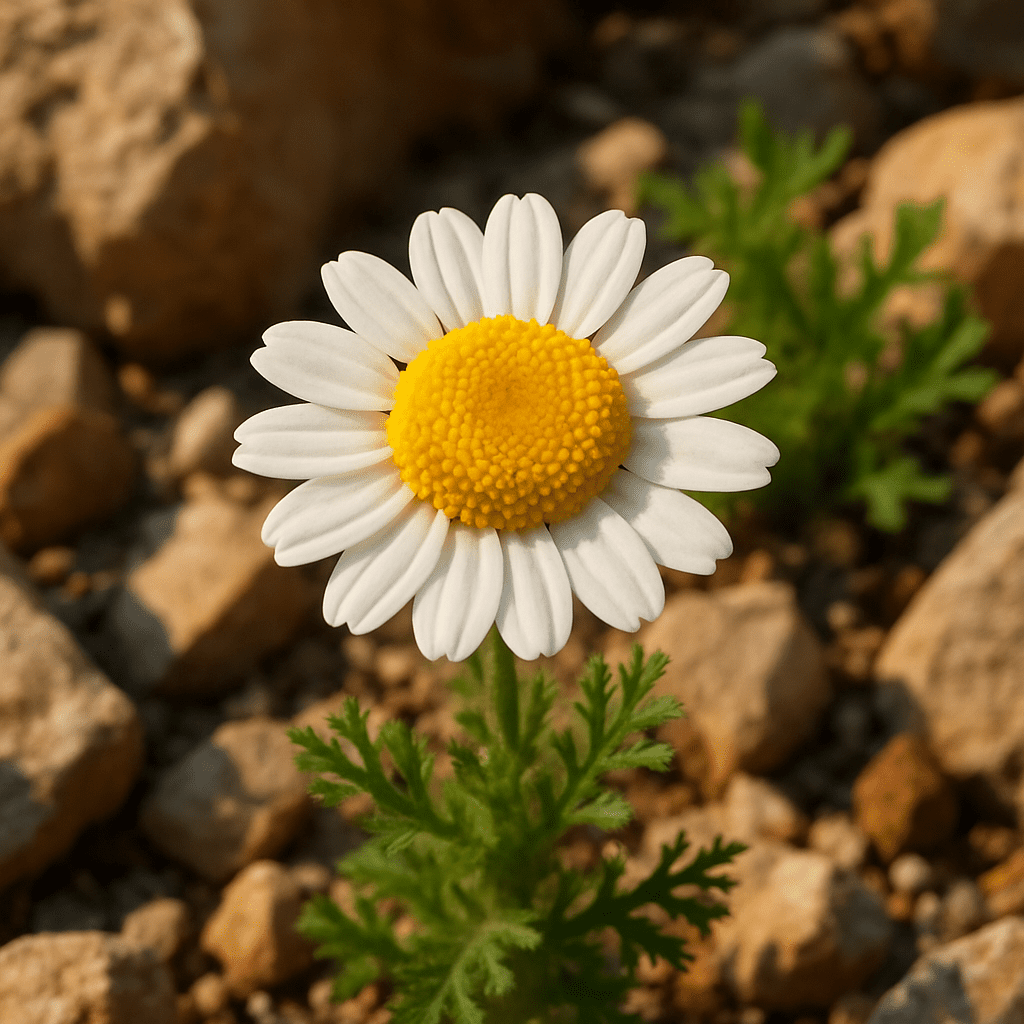
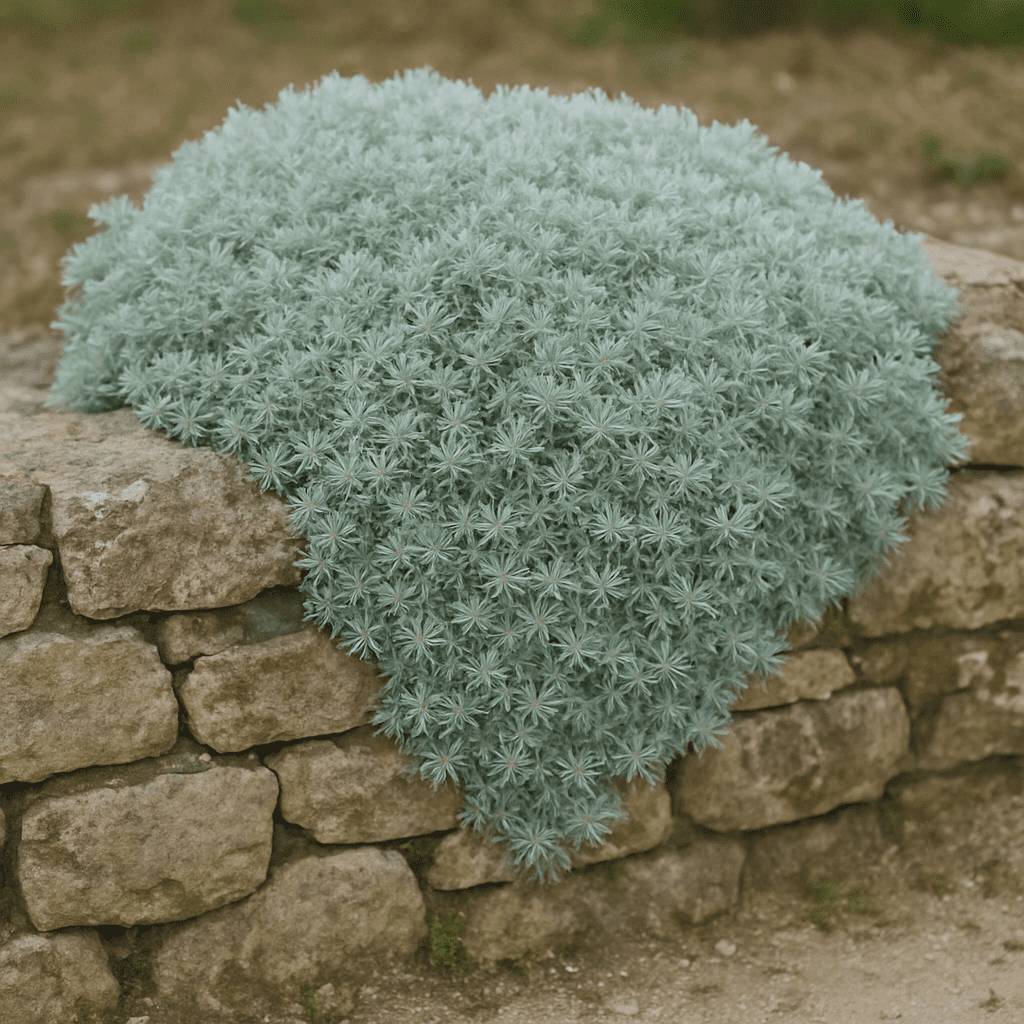
Betrachtet man die Anacyclus pyrethrum botanische Merkmale – eine eng verwandte Art, deren Eigenschaften oft auch auf das Afrikanische Ringkörbchen zutreffen –, fällt sofort der flache, teppichartige Wuchs auf. Das feine, fast silbergraues Laub als Bodendecker bildet dichte, weiche Matten, die auch außerhalb der Blütezeit attraktiv bleiben.
Die Blütenmerkmale der Polster-Kamille sind jedoch der wahre Höhepunkt. Zieht man einen direkten Vergleich Marokkanische Kamille und Gänseblümchen, ähneln sich die weißen Blütenblätter mit ihrer markanten gelben Mitte zwar stark, doch das Ringkörbchen hält eine farbliche Überraschung bereit: Die Unterseiten der Blütenblätter leuchten in einem intensiven Karmesinrot. Oft fragen sich Gartenbesitzer: Warum öffnen sich die Blüten nur bei Sonne? Dies ist ein ausgeklügelter, natürlicher Schutzmechanismus. Bei Regen, Kälte oder Dunkelheit schließen sich die Köpfchen, um ihren wertvollen Pollen zu schützen. Genau in diesem geschlossenen Zustand kommt die purpurrote Unterseite wunderschön zur Geltung.
Der perfekte Standort für das Afrikanische Ringkörbchen
Eine erfolgreiche Anacyclus depressus Pflegeanleitung beginnt immer bei der Platzwahl. Beim Thema Marokko-Kamille Standort und Boden gilt eine eiserne Regel: Volle Sonne und absolut keine Staunässe!
- Bodenbeschaffenheit: Ein extrem wasserdurchlässiges Substrat für alpine Pflanzen ist zwingend erforderlich. Mischen Sie handelsübliche Gartenerde großzügig mit Sand, Splitt oder feinem Kies ab.
- Standortideen: Sie eignen sich hervorragend als pflegeleichte Bodendecker für Trockenmauern, für breite Steinfugen oder sonnige Hänge.
Gartengestaltung und ökologischer Wert
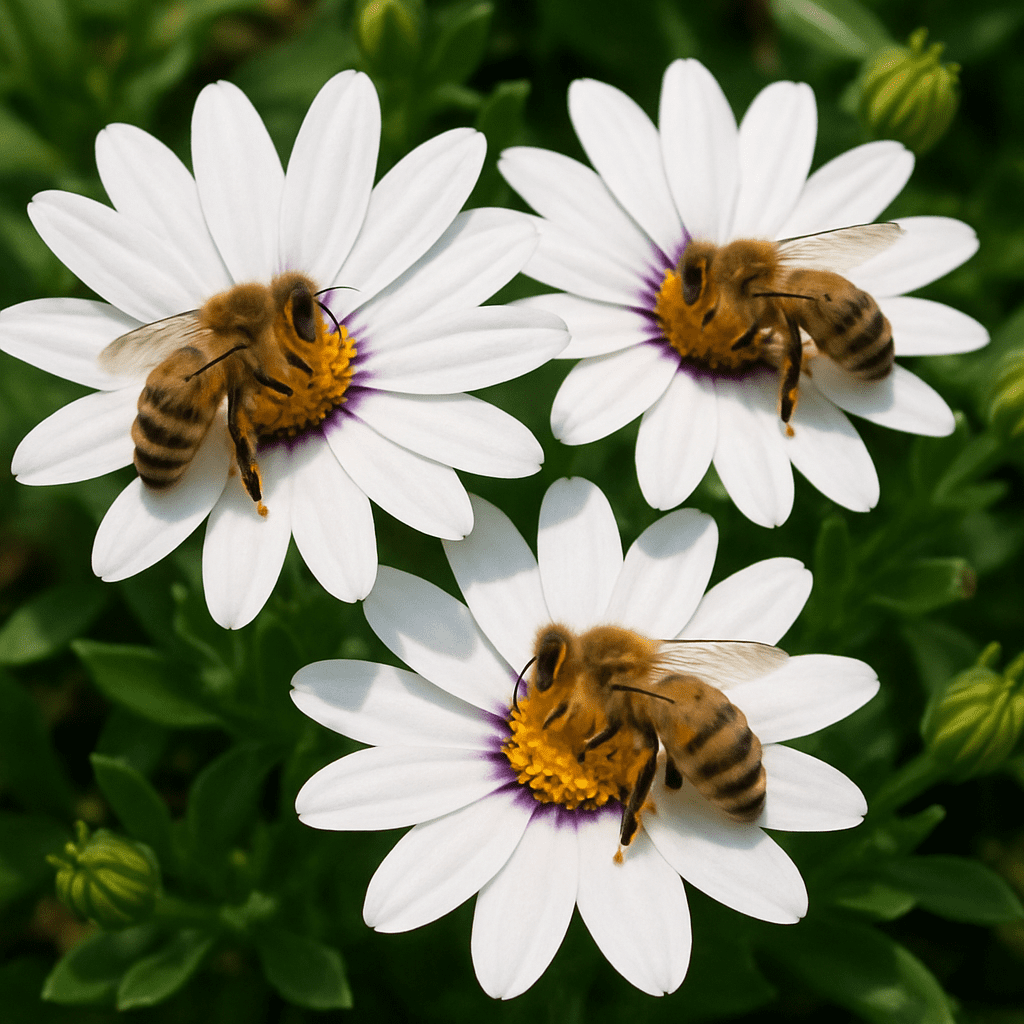
Die Gestaltung von Alpinarien mit Teppichstauden wird durch dieses Ringkörbchen enorm bereichert. Es fügt sich nahtlos zwischen größeren Findlingen ein und bricht harte Kanten von Mauern weich auf. Sie zählen zweifellos zu den besten Optionen, wenn Sie winterharte Polsterstauden für Steingärten suchen. Zudem punkten sie ökologisch: Als bienenfreundliche Pflanzen für karge Böden bieten sie Insekten an extrem trockenen und heißen Standorten, wo andere Blumen längst aufgeben, eine zuverlässige Nahrungsquelle.
Pflege, Düngung und Vermehrung leicht gemacht
Der Pflegeaufwand hält sich in erfreulichen Grenzen, sofern der Wasserabzug im Boden stimmt.
- Nährstoffbedarf: Die Düngung von genügsamen Gebirgspflanzen sollte äußerst sparsam erfolgen. Ein wenig reifer Kompost im frühen Frühjahr ist völlig ausreichend. Zu viel Dünger schadet der kompakten Wuchsform.
- Vervielfältigung: Wer größere Gartenflächen begrünen möchte, setzt am besten auf die Vermehrung durch Aussaat oder Teilung im zeitigen Frühjahr. Die behutsam geteilten Wurzelballen wachsen an einem neuen, lockeren Standort meist völlig problemlos an.
- Overwintering Das Afrikanische Ringkörbchen verträgt Kälte gut, hasst jedoch Winternässe. Ein leichter Frostschutz für mediterrane Steingartenpflanzen, beispielsweise in Form von Tannenreisig oder einer kleinen Glasabdeckung (als reiner Regenschutz), sichert das Überleben in feuchtkalten, mitteleuropäischen Monaten.
Conclusion
Das Afrikanische Ringkörbchen ist eine absolute Bereicherung für trockene, sonnenverwöhnte Gartenbereiche. Mit der passenden, sandigen Erde und einem leichten Schutz vor winterlicher Nässe belohnt Sie diese genügsame Staude jedes Jahr aufs Neue mit einem faszinierenden, zweifarbigen Blütenschauspiel.