
The Significance of the Alpine Snowbell in Nature
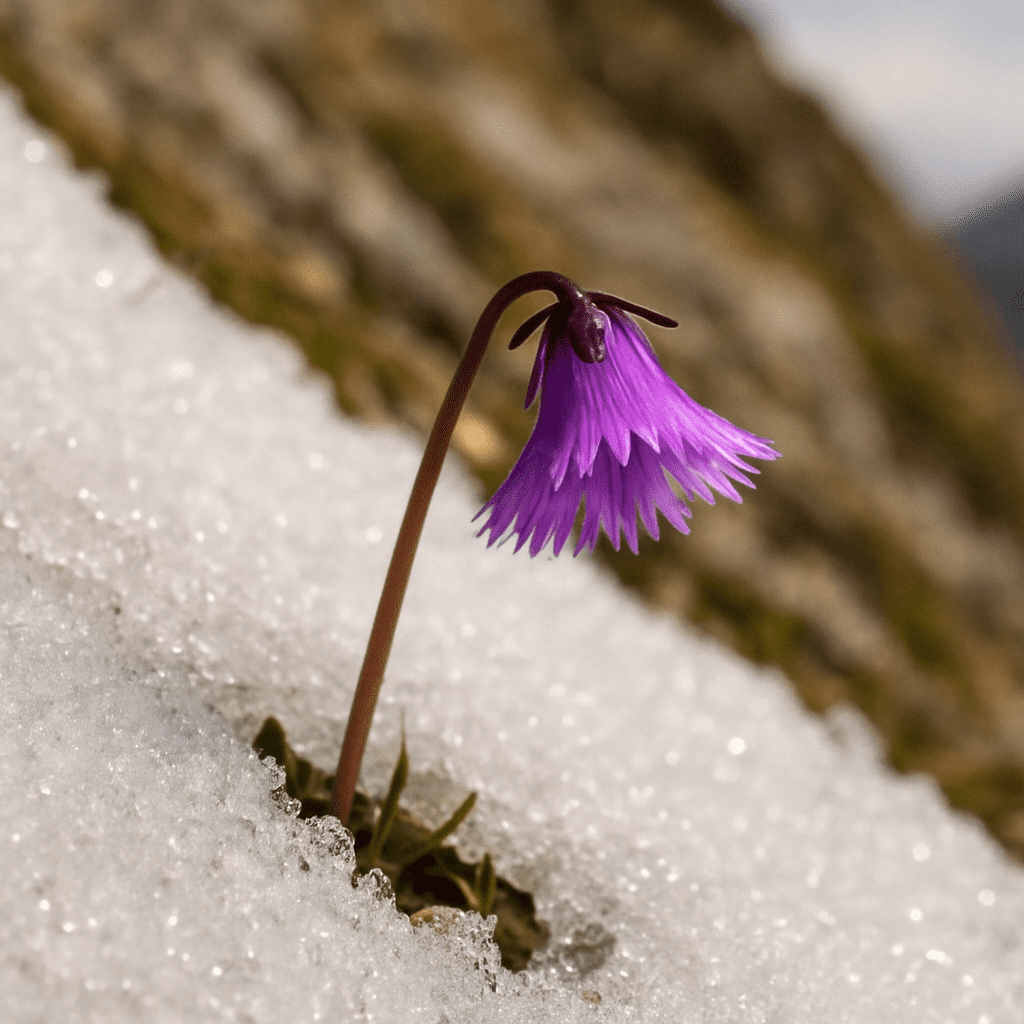
While most plants await the warm invitation of spring, the alpine snowdrop is a true mountain rebel. Discovering tiny, fringed purple flowers in the ice at the end of winter, you are facing a biological marvel. According to botanical studies, this delicate mountain flora actually melts its own chimney through the snow as it grows towards the sunlight.
But how does such a fragile plant survive this inhospitable environment? Those who understand this thermal secret of nature will not only find it easier to spot early-blooming flowers in high mountains in the future but will also appreciate their immense importance as a first food source for awakening insects. This fascinating alpine plant displays unique survival strategies right at the edge of the ice.
How to identify Alpine Snowbells without a doubt: The difference between forest and alpine Soldanella
When you hike across barren alpine meadows in spring, it's easy to overlook the tiny alpine snowdrop. Alpine Snowbell is scarcely bigger than a thimble, yet a closer look reveals its architectural marvels. To distinguish it unequivocally from other purple spring bloomers, these three details will help you:
- Blossom The typical characteristics of a fringed corolla make it look as if nature has cut the edge with tiny scissors, like a fine skirt.
- Leaves At the base, leathery, kidney-shaped leaves huddle protectively close to the cold ground.
- Growth height: The delicate stem usually rises only five to fifteen centimeters into the mountain air.
This stocky growth perfectly illustrates the difference between the forest and alpine alpine buttercup through a clear division of habitat. While the forest variant prefers sheltered, shady locations under trees, the mountain species occupies an extreme niche right at the harsh snow line. It is precisely this preference for frosty edges that raises the fascinating question of how such a delicate plant can survive in ice at all. The plant uses an impressive thermal trick for this.
The Thermal Trick Box: How the Alpine Snowbell Actively Melts Snow with Dark Stems
Have you ever wondered while hiking on the edge of snowfields why this delicate plant doesn't freeze? The secret lies in its ingenious use of solar energy. The dark stems of the alpine rose contain special pigments, called anthocyanins, which function like microscopic solar panels. Since dark colors absorb heat, the plant captures even the faintest sunbeam and converts it into life-saving warmth.
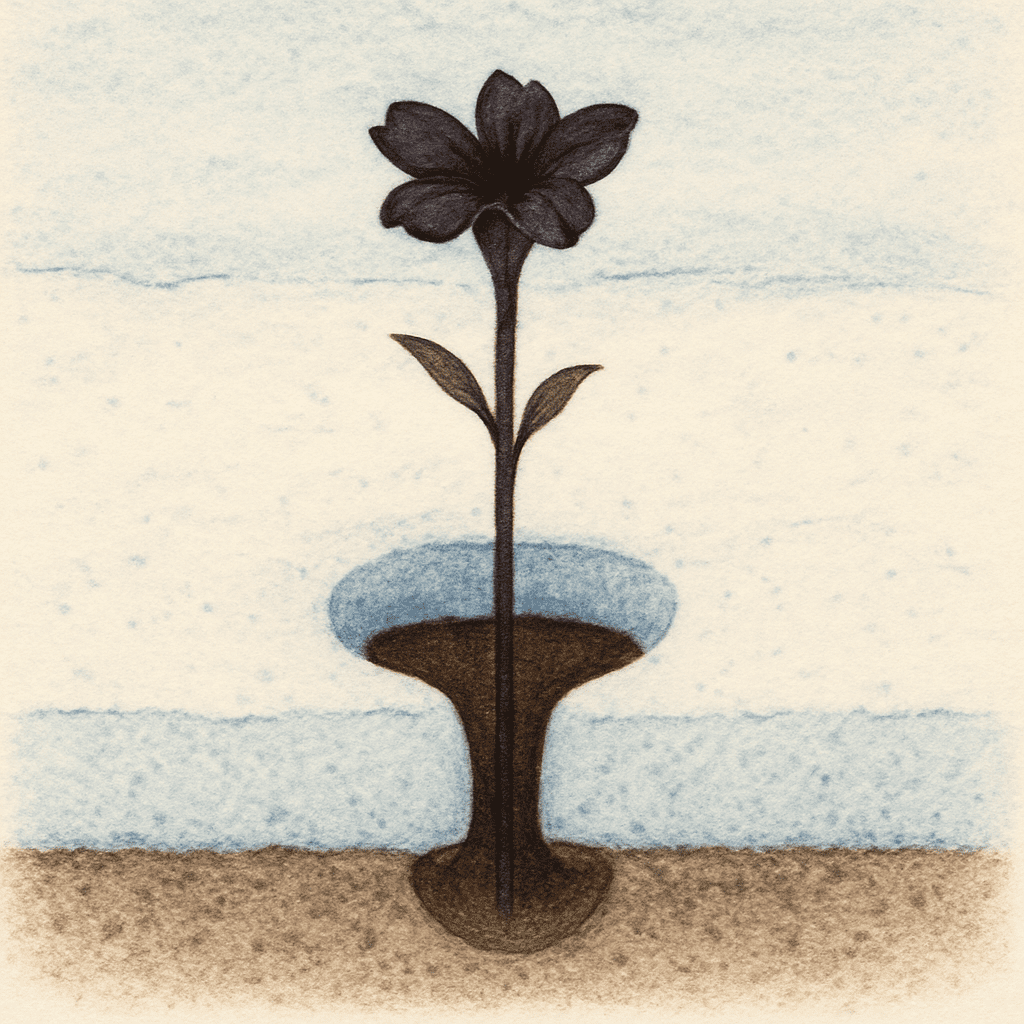
Many nature lovers often wonder when flowers actually bloom after the snowmelt. The snowdrop, however, doesn't even wait for this moment, but starts its own little snowmelt through thermogenesis. The inner heating radiates so much warmth that the stem melts a circular chimney directly through the ice crust. In this way, the flower pushes itself unharmed into the saving light, while the surrounding snow is still centimeters deep.
For the plant, this process requires an enormous expenditure of energy, but the risky trade-off is worth it. By mastering these extreme conditions, it secures the undivided attention of the very first insects, without having to compete with other mountain flowers. This alpine survival miracle can even be cultivated in your own garden with the right knowledge.
From the mountainside to the garden: The perfect cultivation guide for your Alpine Snowbell (Soldanella alpina) in your rock garden
Those fascinated by the clever survival strategy of the alpine snowbell often want to bring this little wonder into their own gardens. However, before you buy an alpine snowbell, one important detail is crucial: These high-alpine specialists are not ordinary garden primroses that are content with any conventional flowerbed. While normal spring bloomers primarily seek plenty of sun and fertilizer, successful care demands a deep understanding of the harsh mountain climate. Down in the valley, the months-long, insulating snow cover is missing, which is why nature's extremes must be artificially recreated through skillful garden design.
For successful establishment, the site for alpine mountain plants requires a precise balance of light, soil, and water. Pay attention to these three fundamental pillars for your rock garden:
- Cool partial shade Look for a spot away from the harsh midday sun, ideally sheltered by larger rocks, to simulate the cooler microclimate of higher altitudes.
- Double Earth mixture: The perfect soil condition for rock garden plants consists of plenty of calcareous gravel for drainage and some leaf humus for storage.
- Flowing moisture The roots must never dry out completely, but waterlogging is fatal – the water must drain constantly in the subsurface, like a real snowmelt on a mountainside.
The secret to this care lies in the precise substrate moisture ratio, which functions like a natural, breathable sponge in the soil. The coarse pebbles ensure that excess rain drains away immediately and the fine roots do not rot, while the humus content maintains a cool basic moisture. However, due to these demanding conditions in lowland areas, observation in the wild often remains the best and gentlest alternative.
A Protected Natural Wonder: Why Trail Observation is the Best Form of Nature Conservation
Although the temptation to dig up wild specimens for your rock garden is great, it is strictly forbidden by law. The alpine snowbell is protected as endangered alpine flora, as its survival at extreme altitudes is a fragile balancing act. Every careless step off marked trails can permanently damage the unseen, shallow roots beneath the thin blanket of snow.
In the barren icy landscape, the tiny blossoms also fulfill a vital role for hungry insects that awaken at precisely the same time as the snow melts. This perfect temporal coordination between plant and pollinator means: if the early-blooming food source is missing, the beneficial insects will starve. Therefore, we show the greatest appreciation when we stay on the path and leave no trace.
Your Guide to Your Next Mountain Hike: Admire and Preserve the Alpine Snowbell
With this knowledge, you can specifically discover the fascinating alpine plants on your next spring hike. Look for the unmistakable, fringed purple bells along the edges of melting snowfields. The alpine snowbell is as resilient as it is fragile. Always admire its fascinating ability to melt snow from a respectful distance to protect the delicate ecosystem. Those who walk carefully past winter ice remnants will be surprised by the vibrant wonders hidden in seemingly empty snowfields.
