
Care and Cultivation of the American Dogwood
Imagine a tree transforming your garden into a sea of white stars in May, offering a fiery red finale in the fall. The Flowering Dogwood completely redefines blooming ornamental shrubs with its adaptability. In practice, many hobby gardeners often consider this fascinating plant to be complicated, but the opposite is true once you know its biological secrets.
What appears to be giant petals at first glance is actually an optical trick of nature. Botanists explain that these striking structures are so-called bracts. They frame the actual, inconspicuous flower in the center and act as brightly colored landing strips to attract pollinators with pinpoint accuracy. This clever deception maneuver makes the tree a valuable insect magnet with year-round visual appeal.
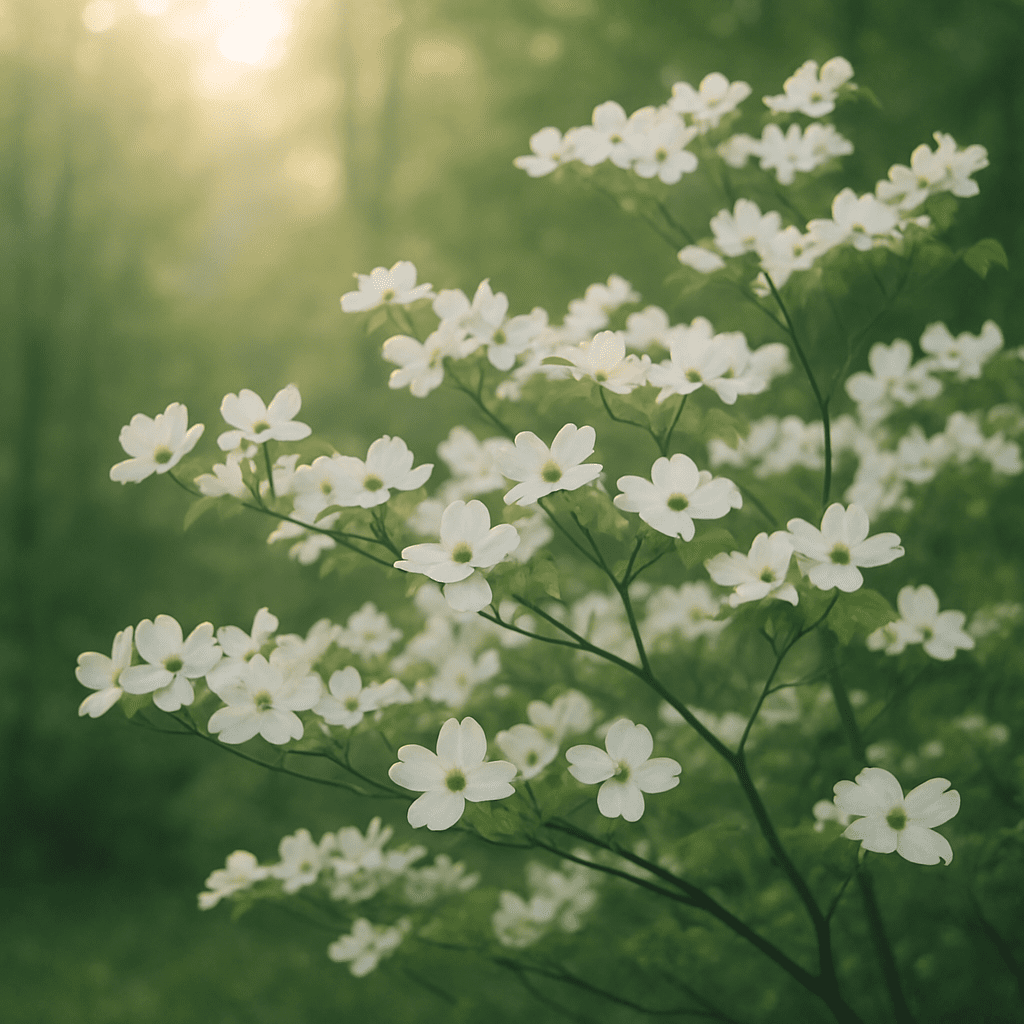
The Perfect Location: Why ‚Cool Feet‘ and ‚Sun on the Face‘ Are the Secret to Cornus florida
A radiant tree in spring begins at the ideal Cornus florida location. He loves the gentle morning sun on his face but urgently needs protection from the harsh midday heat. A spot in the dappled shade of larger trees also shields him excellently from the sharp east wind, which could otherwise dry out the delicate flower buds in winter.
Underground, „cold feet“ defines the Cornus florida site requirements. This tree prefers a slightly „acidic“ soil (pH 5.5 to 6.5), similar to rhododendrons. To achieve such Acidic soil conditions to create, is often a Soil improvement for plants sensitive to lime necessary. At the same time, a loose soil structure ensures the vital Floor ventilation, because the shallow roots urgently need room to breathe and do not tolerate waterlogging.
Before planting, check the following three factors in your garden:
- Lighting conditions: Morning sun yes, shimmering summer heat in the afternoon no.
- Soil moisture The earth should be moist like a well-wrung sponge, but never wet.
- Windscreen Secure cover from icy drafts in the cold months.
Once you've found the perfect spot, choosing the right variety is the next logical step.
Florida or Kousa? Which dogwood truly fits your garden plans?
When choosing your new house tree, you quickly encounter the Difference between Cornus kousa and florida. Both flowering dogwood species enchant the garden, but tick completely differently. Despite similarly solid Winter hardiness is the decision usually made based on these three character traits:
- Blossom The American ‚Florida‘ opens its star-shaped flowers in April before the leaves emerge. The Asian ‚Kousa‘ blooms in June amidst the green foliage.
- Fruit shape: In autumn, the American variety bears smooth, red berries that birds love; the Asian variety surprises with exotic, strawberry-like fruits.
- Fungus resistance There are clear differences in anthracnose resistance. ‚Kousa‘ inherently withstands this feared leaf spot disease better. ‚Florida‘ absolutely requires an airy location so its leaves can dry quickly after rain.
Whether you prefer the early spectacle of blossoms or the more robust summer bloom, both trees are an absolute win. The visual variety ranges from pure white to vibrant pink.
Color in Focus: From pure white to vibrant pink - the best varieties for beginners
The ‚Cloud Nine‘ variety makes the front garden shine like a snow-covered painting in spring. With its huge white bracts – the apparent petals – it also fits perfectly into compact gardens. In addition to its elegant appearance, the reliable Cornus florida Cloud Nine Winter Hardiness, which makes it absolutely safe for beginners. As the days get shorter, it also proves itself to be Ornamental tree with attractive fall color, whose foliage gleams in dramatic burgundy tones.
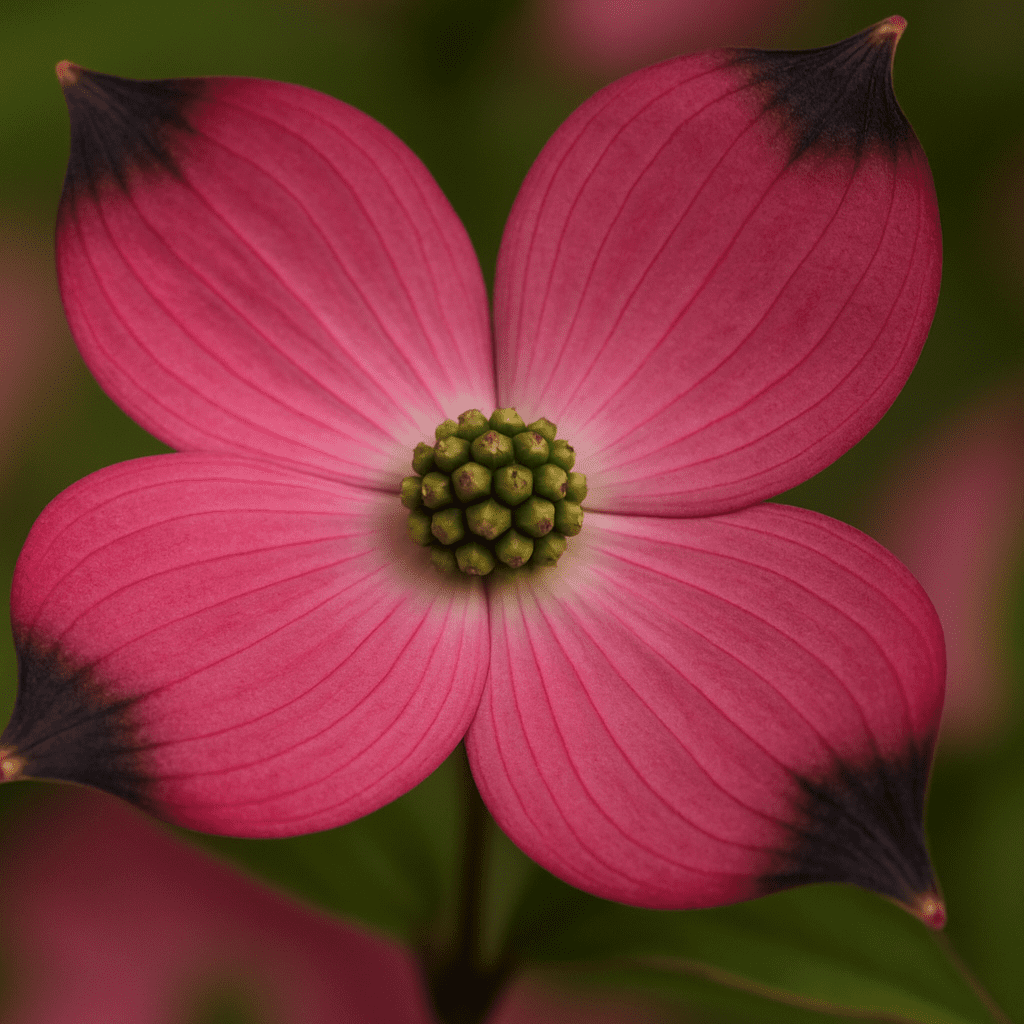
‚Cherokee Chief‘ makes a real statement with its intense ruby red to pink accents. If you prefer it colorful, such Pink flowering shrubs for partial shade bring life to shaded garden corners, as they love the mild morning sun but want to be protected from the harsh midday heat. Regardless of whether your choice falls on bright white or fiery pink, success begins deep in the soil with optimally developed root systems.
Planting Instructions and Root Care: Laying the Foundation for a Long Tree's Life
The American Dogwood grows.
So that the tree can take root healthily and life-threatening trunk rot has no chance, four steps have proven effective:
- Planting hole Dig twice as wide as the root ball, but by no means deeper.
- Root ball preparation: Gently loosen tangled ring roots with your fingers.
- Depth The root attachment must remain exactly at ground level.
- Pouring rim Form a small earthen berm around the hole to collect watering runoff like a funnel.
Once the tree is safely planted, leaf health determines its further development.
Leaf Health and Pruning: How to Recognize Anthracnose and Prevent it Through ‚Air Hygiene‘
Although the tree is low-maintenance, it requires Cornus florida Pests and Diseases some attention. In time Identifying anthracnose on dogwood to be able to, pay attention to these three typical signs of fungus:
- Brown spots on the leaves
- Sudden branch death
- Premature leaf drop
The most effective prevention is not chemicals, but simple „air hygiene.“ A well-ventilated tree dries faster after rain and thus deprives fungi of their moist basis of life.
Whoever is now wondering, how to prune flowering dogwood species, to support this ventilation, you should know: Almost not at all! The tree naturally forms an elegant „tiered growth“ with horizontally floating branches. Hard pruning would destroy this picturesque architecture. Only remove dead or rubbing wood to promote internal air circulation.

Your roadmap to a garden jewel: The first 365 days with the American Flowering Dogwood
The successful care of Cornus florida relies on acidic soil, partial shade, and consistent moisture. Simply establish a consistent, weekly watering schedule during the first summer to allow the shallow roots to anchor securely. Easy-care specimen trees for the front yard like this one only need a little guidance initially, but they will bring you long-lasting enjoyment. As early as next May, this fascinating tree can transform your property into a brilliant sea of white bracts.