
Pflege und Anbau des Amerikanischen Amberbaums
Wenn der Herbst Einzug hält und die meisten Bäume ihr Laub in einfachem Braun abwerfen, entfacht der Amerikanische Amberbaum (Liquidambar styraciflua) ein wahres Feuerwerk der Farben. Von leuchtendem Goldgelb über Orange bis hin zu tiefem Purpurviolett – dieses Ziergehölz ist ein absoluter Blickfang. Doch nicht nur seine Optik macht ihn attraktiv. In Zeiten zunehmender Wetterextreme rückt er als äußerst robuster Baum immer mehr in den Fokus von Landschaftsarchitekten und Hobbygärtnern.
In diesem Ratgeber erfahren Sie alles, was Sie über die Pflanzung, Pflege und die vielfältigen Eigenschaften dieses faszinierenden Baumes wissen müssen.
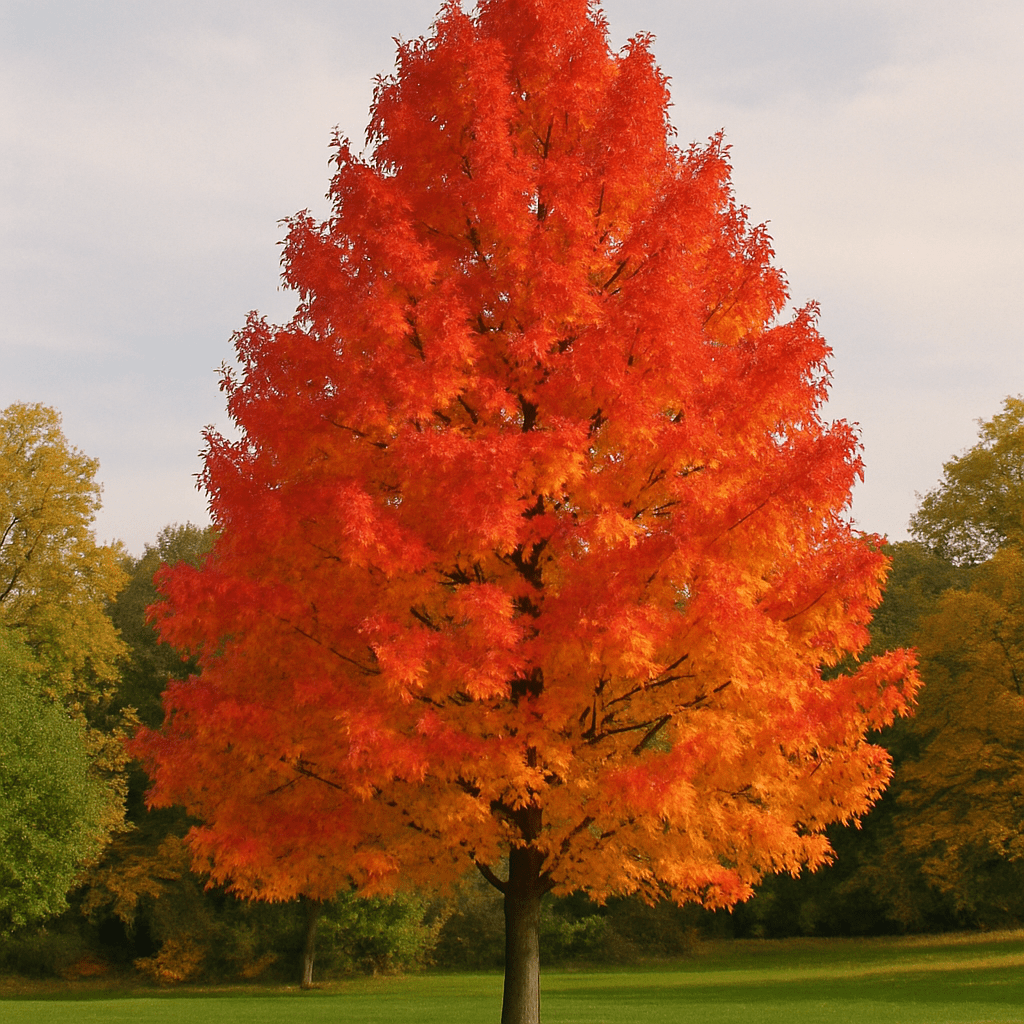
Optische Highlights: Blätter, Korkleisten und Verwechslungsgefahr
The American Sweetgum besticht durch eine Vielzahl markanter Merkmale, die ihn das ganze Jahr über interessant machen.
Besonders auffällig sind die Amberbaum Blätter, die sternförmig gelappt sind und einen feinen, harzigen Duft verströmen, wenn man sie zwischen den Fingern zerreibt. Auf den ersten Blick sehen sie dem Laub eines Ahorns verblüffend ähnlich. Doch wie lässt sich der Unterschied Amberbaum und Ahorn erkennen? Das Geheimnis liegt in der Blattstellung: Während Ahornblätter immer gegenständig (direkt gegenüber) an den Zweigen wachsen, sind die Blätter des Amberbaums wechselständig (versetzt) angeordnet.
Ein weiteres, faszinierendes Merkmal zeigt sich im Winter, wenn das Laub gefallen ist. An älteren Ästen bilden sich bizarre, flügelartige Auswüchse. Wenn man sich nach der Korkleisten an Zweigen Bedeutung fragt, liefert die Natur eine clevere Antwort: Diese Rindenstrukturen dienen dem Baum als zusätzlicher Verdunstungsschutz im Winter und bieten Insekten nützliche Überwinterungsquartiere. Zudem verleihen sie dem Gehölz eine einzigartige, skulpturale Wintersilhouette.
Der perfekte Standort und das richtige Fundament
Damit sich der Amberbaum amerikanischer Abstammung in Ihrem Garten optimal entwickeln kann, müssen die Rahmenbedingungen stimmen. Er gehört glücklicherweise in die Kategorie klimaresiliente Laubbäume für Privatgärten, da er sowohl kurze Trockenperioden als auch Hitze gut verträgt, sobald er gut angewachsen ist.
Standortansprüche und Bodenbeschaffenheit
Die idealen Standortansprüche und Bodenbeschaffenheit für Amberbäume umfassen einen sonnigen bis maximal halbschattigen Platz. Je mehr Sonne der Baum tankt, desto intensiver leuchten seine Farben im Herbst. Der Boden sollte idealerweise tiefgründig, nährstoffreich, frisch bis feucht und leicht sauer sein. Auf stark kalkhaltigen oder extrem verdichteten Böden neigt das Laub zu unschönen Aufhellungen (Chlorose).
Wurzelwerk und Untergrund
Unter der Erde offenbart der Baum spezielle Herzwurzler Wurzelsystem Eigenschaften. Er bildet eine kräftige, tief reichende Hauptwurzel (Pfahlwurzel) aus, von der starke Seitenwurzeln knapp unter der Erdoberfläche abzweigen. Dies macht ihn sehr standfest, bringt jedoch auch eine Herausforderung mit sich.
Do you want Amberbaum Wurzeln Gehwegschäden vermeiden, sollten Sie einen Pflanzabstand von mindestens drei bis vier Metern zu gepflasterten Flächen, Mauern und Rohren einhalten. Der Einsatz einer speziellen Wurzelsperre (Rhizomsperre) beim Einpflanzen leitet die Wurzeln in die Tiefe und schützt angrenzende Wege effektiv vor dem Anheben.

Wachstum, Platzbedarf und die richtige Sortenwahl
Eine der häufigsten Fragen vor der Pflanzung lautet: Wie schnell wächst ein Amberbaum pro Jahr? In jungen Jahren zeigt er ein moderates bis zügiges Wachstum von etwa 30 bis 40 Zentimetern pro Jahr. Im Alter verlangsamt sich dieses Tempo, und die Krone wird zunehmend breiter und ausladender.
Ist der Amberbaum für kleine Gärten geeignet?
Die Wildart kann im Laufe der Jahrzehnte durchaus 15 bis 20 Meter hoch und bis zu 8 Meter breit werden – für viele Vorgärten ist das zu viel. Die gute Nachricht: Ja, er passt auch in kleinere Gärten! Züchter haben spezielle Sorten entwickelt, die weniger Raum einnehmen.
Hier ist ein kurzer Liquidambar styraciflua Sorten Vergleich:
- ‚Worplesdon‘: Ein Klassiker mit pyramidalem Wuchs, der besonders gut mit unserem Klima zurechtkommt und zuverlässig rot-orange färbt. Wird oft nicht ganz so breit wie die Wildart.
- ‚Gumball‘: Ein Zwerg-Amberbaum, der meist als Kugelbaum auf einen Stamm veredelt wird. Ideal für Vorgärten, da die Krone klein und kompakt bleibt.
- ‚Slender Silhouette‘: Wenn Sie wenig Platz in der Breite haben, ist dies die ultimative Amberbaum säulenförmig Sorten Empfehlung. Er wächst fast wie eine Säulenpappel strikt aufrecht und wird oft nur 1 bis 2 Meter breit, bei einer Höhe von bis zu 8 Metern.
Pflege, Schnitt und Problemlösungen
Obwohl der Amberbaum als pflegeleicht gilt, gibt es einige Aspekte, die seine Gesundheit und Vitalität sichern.
Bewässerung und Blattverlust
Gerade in den ersten drei Standjahren benötigt der Baum eine regelmäßige Wasserversorgung, damit das Herzwurzelsystem in die Tiefe wachsen kann. Wenn Ihr Amberbaum verliert Blätter im Sommer Ursachen sucht, liegt dies in der Regel an extremer Trockenheit. Der Baum reagiert auf akuten Wassermangel mit einem vorzeitigen Abwurf des Laubs, um die Verdunstungsfläche zu reduzieren. Auch das gegenteilige Extrem – langanhaltende Staunässe – führt zu Wurzelfäule und sommerlichem Blattfall. Achten Sie daher auf einen gut durchlässigen Boden.
Winterschutz
The Winterhärte von Liquidambar im Garten ist bei gut eingewurzelten, älteren Exemplaren hervorragend (bis ca. -25 °C). Junge Bäume reagieren in den ersten Jahren jedoch empfindlich auf Spätfröste. Schützen Sie den Wurzelbereich junger Bäume im Winter mit einer dicken Schicht aus Rindenmulch oder Laub, und wickeln Sie den Stamm in den ersten ein bis zwei Wintern bei extremen Minusgraden mit einem Juteband ein, um Frostrisse in der Rinde zu vermeiden.
Schnittmaßnahmen
Eine detaillierte Amberbaum fachgerecht schneiden Anleitung lässt sich erfreulich kurz fassen: Schneiden Sie so wenig wie möglich! Der Baum entwickelt von ganz allein eine harmonische, pyramidal bis eiförmig aufgebaute Krone.
Sollte ein Schnitt unumgänglich sein (z. B. bei Totholz oder sich reibenden Ästen), gehen Sie wie folgt vor:
- Time Der späte Winter (Februar bis März) an frostfreien Tagen ist ideal.
- Tool Verwenden Sie scharfes, desinfiziertes Schnittwerkzeug.
- Technik: Schneiden Sie beschädigte Äste direkt am Astring (dem leichten Wulst am Astansatz) ab, ohne den Stamm zu verletzen.
- Form wahren: Kappen Sie niemals die Spitze (den Leittrieb), da dies die natürliche Form des Baumes ruiniert.

Alternativen: Kübelhaltung und das große Herbstfinale
Haben Sie keinen eigenen Garten, müssen Sie auf diesen Prachtbaum nicht verzichten. Sie können einen Amberbaum im Kübel pflanzen und pflegen, sofern Sie eine kleinbleibende Sorte (wie ‚Gumball‘) wählen. Nutzen Sie ein großes Gefäß mit Abflusslöchern und eine hochwertige, strukturstabile Kübelpflanzenerde. Da die Erde im Topf schneller austrocknet, muss im Sommer regelmäßig gewässert werden. Im Winter ist ein Winterschutz für den Kübel (z. B. durch Umwickeln mit Noppenfolie und Aufstellen auf einen Holzblock) zwingend erforderlich, da der Frost den Wurzelballen ansonsten komplett durchfrieren könnte.
Der absolute Höhepunkt im Pflegejahr ist ohne Zweifel der Amberbaum Herbstfärbung Zeitpunkt. Ab Ende September bis tief in den November hinein vollzieht sich das farbenprächtige Spektakel. Wann genau die Färbung einsetzt und wie intensiv sie wird, hängt von den Temperaturschwankungen zwischen Tag und Nacht sowie der Sonneneinstrahlung am jeweiligen Standort ab. Kühle Herbstnächte kombiniert mit sonnigen Tagen sorgen für die intensivsten Rottöne.
Conclusion Der Amerikanische Amberbaum ist mehr als nur ein hübscher Exot. Durch seine Robustheit gegenüber klimatischen Veränderungen, seine spannenden Rindenstrukturen und die unübertroffene Herbstfärbung ist er eine Investition in die langfristige Schönheit Ihres Gartens. Mit der richtigen Sortenwahl, einem durchdachten Standort und minimaler Pflege wird dieser Baum über Jahrzehnte hinweg zu einem treuen, farbenfrohen Begleiter.