
Die Ackerwinde: Ein Unkraut mit Nutzen
Die Ackerwinde ist eine faszinierende Pflanze, die oft als Unkraut verkannt wird. Sie gehört zur Familie der Windengewächse und ist weltweit verbreitet. Ihre trichterförmigen Blüten, meist in Weiß oder Rosa, sind ein markantes Merkmal.
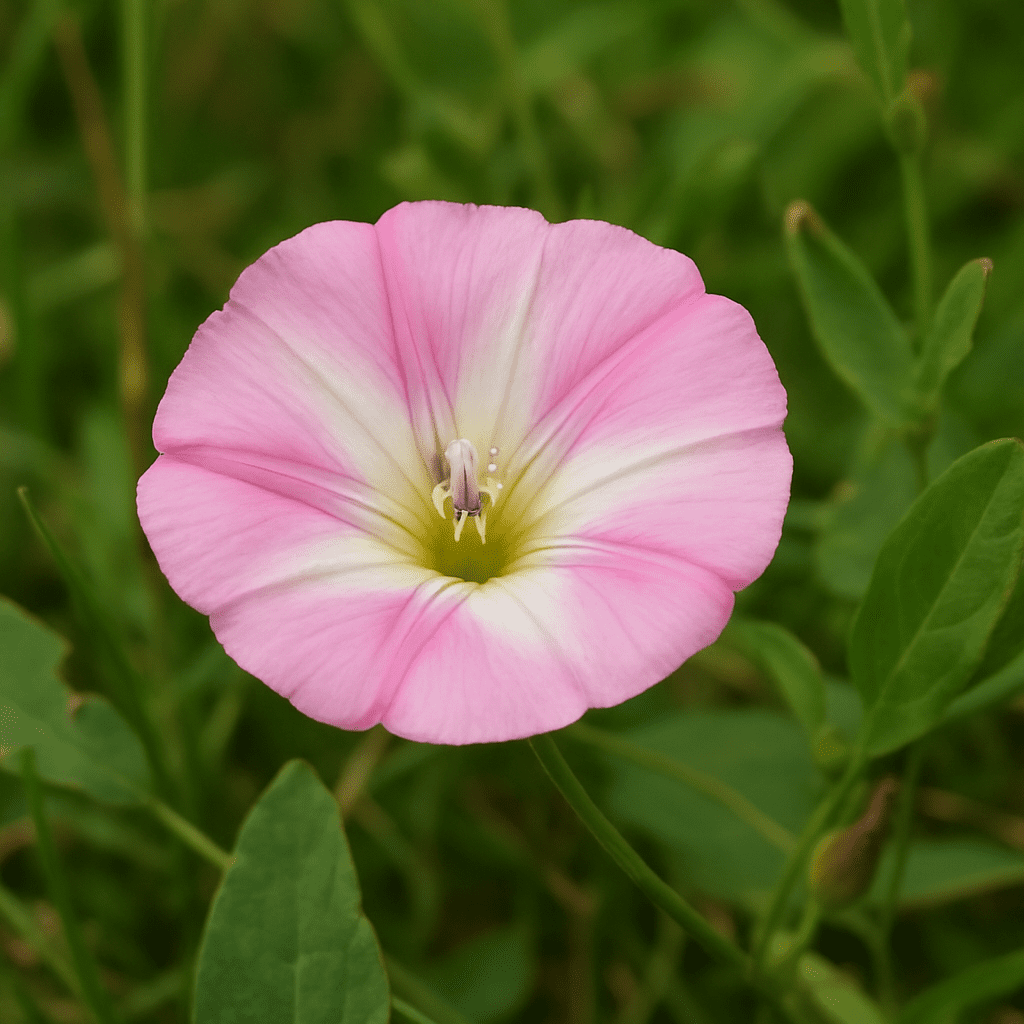
Diese Pflanze ist bekannt für ihre langen, windenden Stängel. Sie kann bis zu zwei Meter hoch wachsen und sich um andere Pflanzen wickeln. Dadurch kann sie schnell zur Herausforderung im Garten werden.
Trotz ihrer invasiven Natur hat die Ackerwinde auch positive Seiten. Sie kann als Bodendecker dienen und Erosion verhindern. Zudem bietet sie Lebensraum und Nahrung für bestimmte Insektenarten.
In der Volksmedizin wird die Ackerwinde seit langem geschätzt. Sie findet Anwendung als natürliches Abführmittel. Doch ihre tiefreichenden Wurzeln machen das Entfernen schwierig.
Die Ackerwinde ist ein Paradebeispiel für eine Pflanze, die sowohl Nutzen als auch Probleme mit sich bringt. In diesem Artikel erfahren Sie mehr über ihre Eigenschaften, ihren Nutzen und wie man sie effektiv bekämpfen kann.
Was ist die Ackerwinde? – Merkmale und Verbreitung
Die Ackerwinde, die in ihrer Kurzform auch als „Unkraut mit fünf Buchstaben“ bekannt ist, ist eine hartnäckige Pflanze. Sie gehört zur Familie der Windengewächse (Convolvulaceae) und ist leicht erkennbar an ihren trichterförmigen Blüten. Die Blütenfarbe variiert meist zwischen Weiß und Rosa, was sie in Gärten oft auffällig macht.
Diese Pflanze bevorzugt nährstoffreiche, feuchte Böden und sonnige Standorte. Ihr ursprüngliches Verbreitungsgebiet umfasst Europa, Asien und Nordamerika. Die Ackerwinde ist jedoch anpassungsfähig und hat sich weit darüber hinaus verbreitet. Sie findet sich häufig in landwirtschaftlichen Flächen sowie in ungenutzten Gärten.
Ein weiteres auffälliges Merkmal der Ackerwinde ist ihr Wachstumsmuster. Durch ihre windenden Stängel kann sie sich um andere Pflanzen schlingen und diese überwuchern. Dies kann problematisch sein, da sie anderen Pflanzen Licht und Nährstoffe entzieht. Ihre Fähigkeit, sich schnell durch Samen und Wurzelausläufer zu vermehren, trägt zu ihrer Hartnäckigkeit bei.
Hier sind einige der bemerkenswerten Eigenschaften und Verbreitungsfakten der Ackerwinde:
- Blossoms Trichterförmig, meist weiß oder rosa
- Stem Lang und windend, ermöglichen das Klettern
- Höhe: Kann bis zu 2 Meter hoch wachsen
- Verbreitungsgebiet: Europa, Asien, Nordamerika
- Bodenpräferenzen: Nährstoffreich, feucht
- Location: Sonnig, aber anpassungsfähig
Diese Eigenschaften machen die Ackerwinde zu einem doppelten Schwert im Garten: Einerseits ist sie invasiv, andererseits kann sie bestimmten Zwecken dienen. Ihre Anpassungsfähigkeit und ihre rasche Ausbreitung haben sie auch zu einem Symbol für Ausdauer und Anpassungsfähigkeit in verschiedenen Kulturen gemacht. Dennoch bleibt sie vielen ein Dorn im Auge.
Lebensweise und Wachstum: Wie die Ackerwinde gedeiht
Die Ackerwinde zeichnet sich durch eine bemerkenswerte Lebensweise aus. Sie ist in der Lage, sich in verschiedenen Umgebungen anzupassen und zu gedeihen. Diese Pflanze wächst nicht nur in sonnigen und fruchtbaren Böden. Sie kann sich auch in weniger idealen Bedingungen durchsetzen. Ihre Anpassungsfähigkeit macht sie zu einer Herausforderung für Gärtner und Landwirte.
Ein zentraler Aspekt ihres Wachstums ist die Fähigkeit, tiefreichende Wurzeln zu entwickeln. Diese Wurzeln sind entscheidend, weil sie der Pflanze ermöglichen, selbst in trockenen Perioden an Wasser und Nährstoffe zu gelangen. Zugleich erschwert dies das manuelle Entfernen der Ackerwinde erheblich. Noch beeindruckender ist ihre Strategie, Nährstoffe aus tieferen Bodenschichten aufzunehmen. Dies bietet ihr einen Vorteil gegenüber anderen Pflanzen, die nicht so tief wurzeln.

Die Vermehrung der Ackerwinde erfolgt auf zwei Arten: durch Samen und Wurzelausläufer. Ihre Samen sind besonders widerstandsfähig und können viele Jahre im Boden überleben. Diese Langlebigkeit der Samen trägt zur langanhaltenden Präsenz der Ackerwinde bei. Die Pflanze profitiert zudem von ihrer Fähigkeit, durch Ausläufer neue Triebe zu bilden. Dies ermöglicht eine schnelle Kolonisation neuer Flächen, wodurch sie andere Pflanzen verdrängen kann.
Die Ackerwinde ist deshalb auch in der Lage, schnell große Flächen zu bedecken. Die dichte Wuchsform der Pflanze bietet ihr selbst Schutz vor Unkrautbekämpfungsmethoden, die für weniger robuste Pflanzen effektiv sind. Auch wenn ihre Lebenskraft beeindruckend ist, bleibt sie in vielen Gärten und landwirtschaftlichen Flächen eine Herausforderung, die strategisches Management erfordert.
Nutzen der Ackerwinde: Mehr als nur ein Unkraut
Obwohl sie oft als lästiges Unkraut betrachtet wird, bietet die Ackerwinde zahlreiche Vorteile. Ihre Fähigkeit, schnell zu wachsen und sich auszubreiten, kann in bestimmten Umgebungen nützlich sein. Zum Beispiel dient sie als effektiver Bodendecker. Dadurch kann sie Erosion verhindern, indem sie den Boden stabilisiert. Diese Eigenschaft ist besonders in Gebieten mit erosionsgefährdeten Böden von großem Wert.
Zudem spielt die Ackerwinde eine wichtige Rolle in der Biodiversität. Verschiedene Insektenarten finden in ihr sowohl einen Lebensraum als auch eine Nahrungsquelle. Dies trägt zur Unterstützung lokaler Ökosysteme bei, indem es die Artenvielfalt fördert. Darüber hinaus zeigt die Pflanze selbst Anpassungsfähigkeit, indem sie in unterschiedlichen Umfeldern floriert. Ihre Präsenz kann somit ein Hinweis auf die Gesundheit eines Ökosystems sein.
Ein weiterer bemerkenswerter Aspekt ist die traditionelle Verwendung der Ackerwinde. In der Volksmedizin wurde sie seit langem als natürliches Mittel eingesetzt. Beispielsweise diente sie als Abführmittel, um bei Verdauungsbeschwerden zu helfen. Obwohl moderne medizinische Anwendungen eher selten sind, zeigen solche historischen Nutzungen das Potenzial der Pflanze.
Zusammengefasst bietet die Ackerwinde in verschiedenen Aspekten Nutzen:
- Bodendecker zur Erosionskontrolle
- Förderung der Biodiversität
- Traditionelle medizinische Anwendung
- Indikator für Boden- und Umweltverhältnisse
Auch wenn Gärtner sie oft bekämpfen, sollten sie die positiven Seiten dieser Pflanze nicht übersehen. Die Ackerwinde ist mehr als nur ein Störfaktor; sie kann wertvolle Dienste leisten, wenn man sie bewusst einsetzt.
Probleme im Garten und auf dem Feld
Die Ackerwinde stellt trotz ihrer Vorteile oft ein Problem für Gärtner und Landwirte dar. Ihre schnellen Wachstumseigenschaften und die Fähigkeit, sich durch Samen und Wurzelausläufer auszubreiten, führen zu dichten Beständen. Diese Überwucherung kann dazu führen, dass Erntepflanzen unterdrückt werden. Die Winden umschlingen andere Pflanzen und entziehen ihnen wertvolle Nährstoffe und Licht.

von Eileen Kummer (https://unsplash.com/@eileen_kummer)
Ihre tiefreichenden Wurzeln sind besonders hartnäckig. Diese Wurzeln erschweren das vollständige Entfernen der Pflanze erheblich. Selbst kleine Fragmente können zu einer erneuten Ausbreitung führen, wodurch sich die Pflanze nach einer scheinbar erfolgreichen Entfernung oft neu etabliert. Diese Resistenz gegen viele herkömmliche Unkrautbekämpfungsmethoden stellt eine echte Herausforderung dar.
Zudem kann die Ackerwinde in der Landwirtschaft erhebliche wirtschaftliche Schäden verursachen. Da sie sich schnell ausbreitet, kann sie ganze Felder überwuchern und die Erträge mindern. Landwirte müssen oft zusätzliche Ressourcen in die Bekämpfung investieren, um die Kontrolle über ihre Felder zu behalten. Diese zusätzlichen Bemühungen können die Produktion verteuern und die Rentabilität verringern. Trotz ihrer gelegentlichen Nützlichkeit kann die Ackerwinde daher im Gartenbau und in der Landwirtschaft ernsthafte Probleme bereiten.
Ackerwinde bekämpfen: Methoden und Tipps
Die Bekämpfung der Ackerwinde erfordert Geduld und eine gut durchdachte Strategie. Eine der effektivsten Methoden, um das Wachstum einzudämmen, ist das regelmäßige Jäten. Dadurch wird die Pflanze geschwächt und ihre Fähigkeit zur Ausbreitung eingeschränkt. Es ist wichtig, tief genug zu graben, um die Wurzeln vollständig zu entfernen und jegliches Nachwachsen zu verhindern.
Eine weitere hilfreiche Methode ist das Mulchen. Durch das Abdecken des Bodens mit einer Mulchschicht wird Licht blockiert, was das Wachstum der Ackerwinde hemmt. Mulch kann zudem die Bodenfeuchtigkeit verbessern und eine feindliche Umgebung für die Samenkeimung schaffen. Dies kann helfen, die Verbreitung der Winde auf natürliche Weise einzuschränken.
Chemische Bekämpfungsmittel sind eine weitere Möglichkeit zur Kontrolle. Doch sollte man sie mit Vorsicht einsetzen, da sie auch nützliche Pflanzen und Bodenlebewesen schädigen können. Bei der Anwendung sollte man spezifische Herbizide verwenden, die gezielt auf die Ackerwinde abzielen. Somit werden unerwünschte Nebenwirkungen minimiert.
Biologische Bekämpfungsstrategien bieten ebenfalls eine nachhaltige Lösung. Der Einsatz von natürlichen Feinden, wie bestimmten Insektenarten, kann helfen, die Population der Ackerwinde zu regulieren. Diese Methode erhält das ökologische Gleichgewicht und reduziert den Bedarf an Chemikalien. Es ist eine natürliche und umweltfreundliche Herangehensweise.
Zusammengefasst gibt es verschiedene Möglichkeiten zur Ackerwindenbekämpfung:
- Regelmäßiges Jäten: Entfernen der Pflanze mit den Wurzeln.
- Mulchen: Lichtblockierung durch Bodenabdeckung.
- Chemische Mittel: Spezifische Herbizide verwenden.
- Biologische Kontrolle: Einsatz natürlicher Feinde.
Durch die Kombination dieser Methoden können Gärtner und Landwirte die Kontrolle über die Ackerwinde behalten. Wichtig ist, Maßnahmen regelmäßig durchzuführen, um die Ausbreitung nachhaltig zu unterbinden. Mit einem integrierten Ansatz ist es möglich, dieses hartnäckige Unkraut effektiv zu managen und den Schaden an wertvollen Pflanzen zu minimieren.
Häufige Fragen zur Ackerwinde
Wie kann ich Ackerwinde in meinem Garten identifizieren?
Die Ackerwinde ist leicht an ihren trichterförmigen Blüten zu erkennen, die meist weiß oder rosa sind. Ihre langen, windenden Stängel wickeln sich oft um benachbarte Pflanzen, wodurch sie leicht erkennbar wird. Wenn Sie diese Merkmale in Ihrem Garten bemerken, handelt es sich wahrscheinlich um Ackerwinde.
Ist die Ackerwinde wirklich schädlich für meinen Garten?
Obwohl die Ackerwinde oft als störendes Unkraut gilt, hängt ihre Schädlichkeit von der Menge und dem Standort ab. In kleinen Mengen kann sie sogar nützlich sein, indem sie Erosion verhindert. Jedoch kann eine unkontrollierte Ausbreitung andere Pflanzen überwuchern und ihnen wichtige Ressourcen wie Licht und Nährstoffe entziehen.
Kann ich die Ackerwinde als Zierpflanze verwenden?
Ja, in kontrollierten Umgebungen kann die Ackerwinde eine attraktive Ergänzung sein. Ihre hübschen Blüten können als Zierpflanze dienen, solange sie nicht die Dominanz im Garten übernimmt. Es ist jedoch wichtig, wachsam zu bleiben, um eine unerwünschte Ausbreitung zu verhindern.
Wie wirkt sich die Ackerwinde auf die Biodiversität aus?
Die Ackerwinde bietet Lebensraum und Nahrung für bestimmte Insektenarten, wodurch sie zur Biodiversität beiträgt. In einigen Ökosystemen spielt sie eine wichtige Rolle. Ein ausgewogenes Management ist jedoch entscheidend, um sicherzustellen, dass sie ihre Vorteile bietet, ohne andere Pflanzen zu verdrängen.
Fazit: Die Ackerwinde im Gleichgewicht betrachten
Die Ackerwinde ist ein zweischneidiges Schwert in der Welt der Pflanzen. Sie kann sowohl problematisch als auch nützlich sein. Als hartnäckiges Unkraut hat sie den Ruf, sich schnell zu verbreiten und andere Pflanzen zu überwuchern. Dies führt oft zu Frustration bei Gärtnern und Landwirten. Doch die Ackerwinde bringt auch positive Aspekte mit sich. Ihre Fähigkeit, Erosion zu verhindern und Lebensraum für Insekten zu bieten, zeigt ihr Potenzial, zur Biodiversität beizutragen.
Ein nachhaltiger Umgang mit der Ackerwinde erfordert Aufmerksamkeit und Pflege. Mit gezielten Maßnahmen kann sie in Schach gehalten werden, ohne aus den Gärten zu verschwinden. Chemische und mechanische Methoden bieten Möglichkeiten zur Bekämpfung, während Mulchen und Fruchtfolge die Ausbreitung reduzieren können. Schließlich hängt das Gleichgewicht davon ab, wie wir diese Pflanze wahrnehmen und handhaben. Wenn wir lernen, ihre positiven Eigenschaften zu schätzen, können wir die Ackerwinde nicht nur als Herausforderung, sondern auch als Bereicherung sehen. Der Schlüssel liegt darin, eine Balance zwischen Kontrolle und Nutzen zu finden, um sowohl die Pflanze als auch die Umwelt zu berücksichtigen.