
Ackersenf: Benefits and Cultivation in the Garden
You've probably seen these bright yellow flowers lining the edges of fields in late spring many times and dismissed them as common weeds. In reality, this rambling plant is wild mustard (Wild mustard), the fascinating wild ancestor of mustard, currently sitting in your refrigerator. According to botanical historians, humans used this vibrant plant for centuries before it ever made it to supermarket shelves.
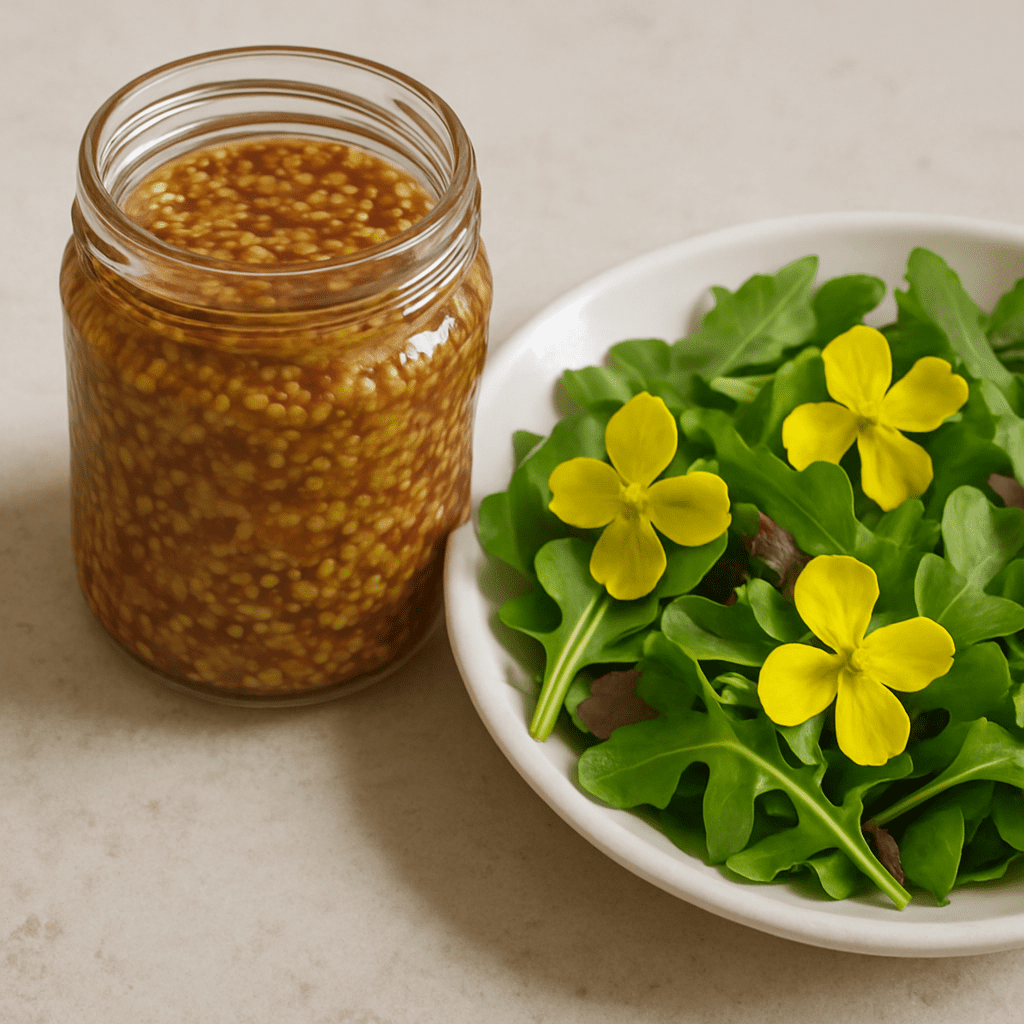
If you look closely at a flower, you'll notice four petals arranged like a tiny cross. This shape is characteristic of crucifers, a botanical family that includes everyday kitchen staples like broccoli and kale. Instead of fighting wild mustard in your garden, consider it an important promoter of biodiversity. It not only attracts beneficial pollinators but also offers a spicy, nutrient-rich addition to the kitchen.

Is it rapeseed or field mustard? Three simple ways to identify the plant with certainty
Spring walks often lead past brightly yellow fields that seem to blend into one another endlessly, forming a single golden carpet. But not every sea of blossoms is a crop cultivated by farmers. Often, it is wild mustard, one of the most common yellow-flowering wild herbs along our rural roadsides. If you want to collect this spicy plant for your kitchen, precise knowledge of its identification characteristics is essential. Wild mustard crucial to know exactly what goes into your salad bowl.
Fortunately, you don't need a botany degree to learn how to tell rapeseed from mustard – a quick look at the stems and leaves is enough.
- The stem hair test: Gently run your fingers down the lower stem. Wild mustard has stiff plant hairs that feel distinctly rough and bristly. Rapeseed, on the other hand, is completely smooth and often has a waxy, bluish sheen.
- The leaf attachment method: Pay close attention to how the upper leaves are attached to the main plant. Field mustard leaves are „petiolate,“ meaning they have their own small stem connecting them to the center. Cabbage leaves lack a stem entirely; they are „clasping“ and wrap directly around the main stem like a tight embrace.
- Texture Prediction: Even before you touch them, you can guess their texture: Field mustard looks visibly shaggy and wild, while cultivated rapeseed appears smooth and polished.
With this simple sensory checklist, the confusing greenery transforms into an easily readable offering from nature. The bristly stems and stalked leaves guarantee that you have found the pungent wild mustard and not its milder cultivated relative.

Toxic Doppelgänger Check: How to Avoid Dangerous Mix-ups
When looking for edible wild herbs, caution is advised as wild radish often grows in the same soil. Although the plant itself is completely harmless, rumors about poisonous wild mustard are usually based on an careless confusion with stomach-irritating look-alikes. To recognize the exact differences between wild mustard and wild radish, you should examine the seed pods as soon as the flowers begin to wilt. Wild radish forms highly segmented pods – botanically known as loment – that look like an uneven pearl necklace and break into individual sections. Wild mustard, on the other hand, has smooth, cylindrical pods that open cleanly lengthwise.
Besides visual identification, the location of collection is also crucial. As this spicy plant thrives near conventional farmland and industrial areas, it often absorbs excess agricultural fertilizers from the soil. This leads to rapid nitrate accumulation in the leaves, essentially turning the greens into a chemical sponge that poses hidden health risks with large, daily consumption. It's best to gather from unsprayed meadows or organic field edges to ensure your harvest remains uncontaminated.
From Bloom to Seed: How to Use Mustard Greens in the Kitchen
To transform a wild herb into a gourmet ingredient, you first need to understand its chemical defense mechanisms. Field mustard's spiciness comes from glucosinolates (mustard oils) – a natural defense system designed to ward off hungry insects. This pungent flavor makes the young leaves a perfect, free substitute for arugula. Beyond taste, wild mustard provides an extra dose of vitamin C to enhance your early spring dishes.
Before the yellow blossoms fully open, the plant offers another culinary treasure. The densely packed, green flower buds look almost like tiny broccoli florets and can be prepared in the same way. When placed in a hot pan for a quick dish, they soften and their peppery sharpness is mellowed. Ideally, follow this seasonal calendar for harvesting:
- Spring Pick the young, tender leaves for fresh salads.
- Early summer Collect the unopened flower buds for stir-fries.
- Late summer Harvest the dried seed pods as a spice.
The late summer harvest rewards you with the most well-known yield of the plant: the tiny seeds hidden inside the smooth pods. Making homemade mustard from these wild seeds is an exciting culinary project. Simply crush the dried harvest, mix it with water and apple cider vinegar, and let it rest until a rustic, spicy spread is formed. This fiery ingredient enriches any kitchen, but the living plant also offers enormous ecological value in the wild.
A Magnet for Bees: Why Mustard Greens Deserve a Place in Your Garden
Instead of rigorously tearing out every stem, you can harness this vigorous plant. Field mustard acts as a pioneer plant—a robust first responder that quickly covers bare earth. Its deep roots naturally loosen compacted beds and serve as protective green manure. While controlling wild crucifers in gardens usually requires relentless weeding, strategically utilizing a limited wild mustard patch offers an excellent natural remedy for depleted soils.
Above ground, these wild crucifers transform your garden into a buzzing haven, providing vital early-season nectar for native bees and other pollinators. Cultivating this ecological powerhouse sustainably enhances the local ecosystem.
Your Path to Becoming a Wild Mustard Expert: The Next Steps for Foragers and Gardeners
You no longer have to pass by bright yellow fields and only see weeds. On your next walk, you can specifically look for field mustard. Remember the golden rule of safety: always check if the lower stem is hairy before picking tender spring leaves or planning your seed harvest in the summer. Armed with this knowledge, the plant can easily be transformed from a common roadside plant into an aromatic and versatile culinary ingredient for your home kitchen.