
The fascinating world of the Prickly Burr-reed
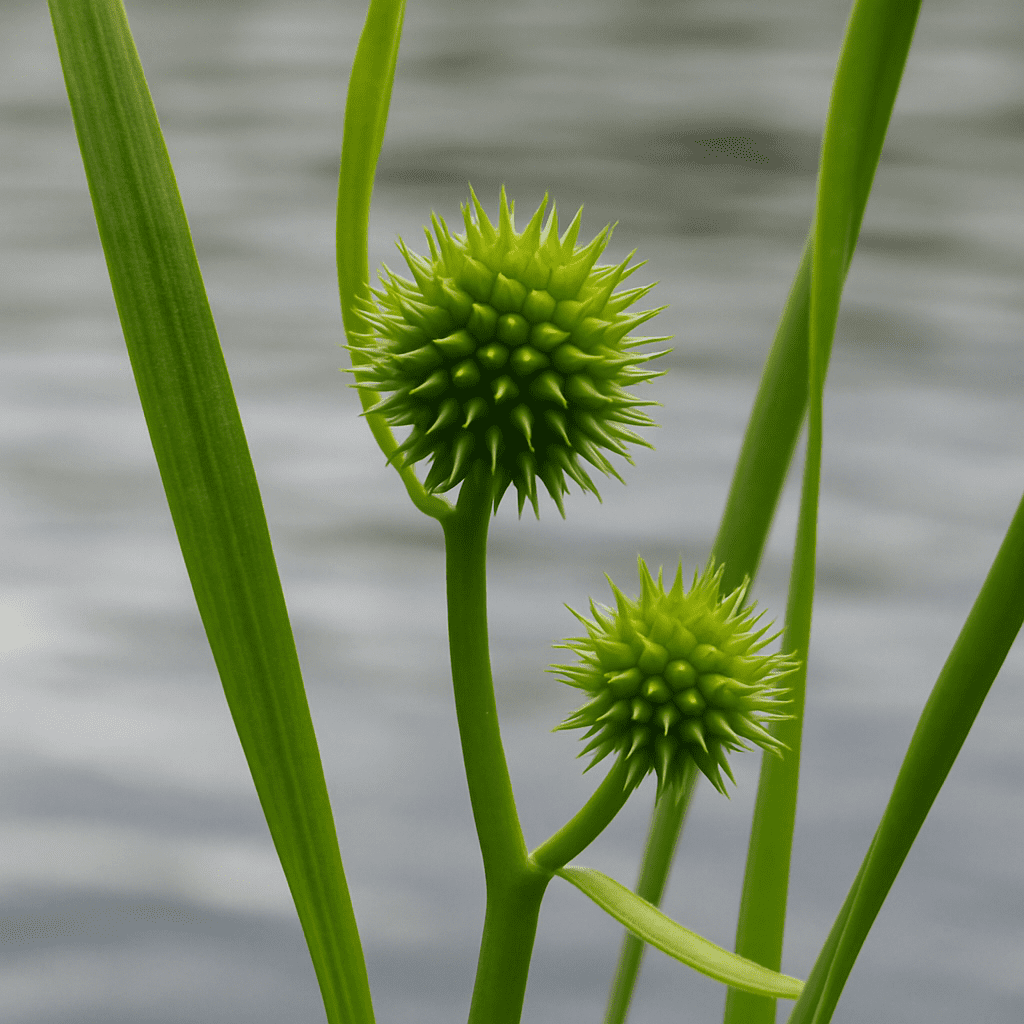
Walking along a body of water, you'll often notice bright green balls clinging to the stems, resembling tiny maces or small hedgehogs. These fascinating aquatic plants are known as Sparganium erectumBranched bur-reed) is known. Biologists explain the name suffix „aestig“ with its characteristic growth: Unlike simple reed species, its stem branches like a bough to bear as many of these sturdy inflorescences as possible.
However, landscape gardeners value the plant far beyond its appearance, considering it one of the most diligent clarifying plants in all of pond biology. Murky, over-fertilized water quickly suffocates life in small bodies of water. In practice, the bur reed proves to be a lifesaver here, as it functions as an excellent natural water filter, whose strong roots bind excess nutrients and clarify the habitat.
Hedgehog or plant? How to recognize the Stout Bur-reed at first glance
Even without its distinctive fruit spikes, the Broadleaf CattailBranched bur-reed) can be easily identified by its dense, green leaf tufts. Gently grasp the base of the leaf: Does it feel triangular? This distinctive, palpable keel on the back of the leaves is a key feature of this aquatic plant's morphology and helps you identify it even before summer.
However, the true magic is revealed during the blooming period of native cattail plants. The stem then doesn't just grow straight upwards, but branches off in a striking zigzag pattern – which is precisely why it's called the branched upright cattail. On these branched stems, the plant lives like in a small, organized neighborhood on a single stalk: at the very top sit the soft, male flowers that produce pollen. Directly below them, the distinctive, spiky female flowers wait to catch the falling pollen.
On your next outing by the water, just check these three details:
- Stem branching Does the stem bend zigzag (branched) or grow straight (simple cattail)?
- Leaf shape Is the leaf noticeably triangular in cross-section?
- Flower arrangement: Do the male pollen donors always sit above the female „burrs“?
Hedgehog cones vs. cattails: Understanding the crucial difference in the reed belt
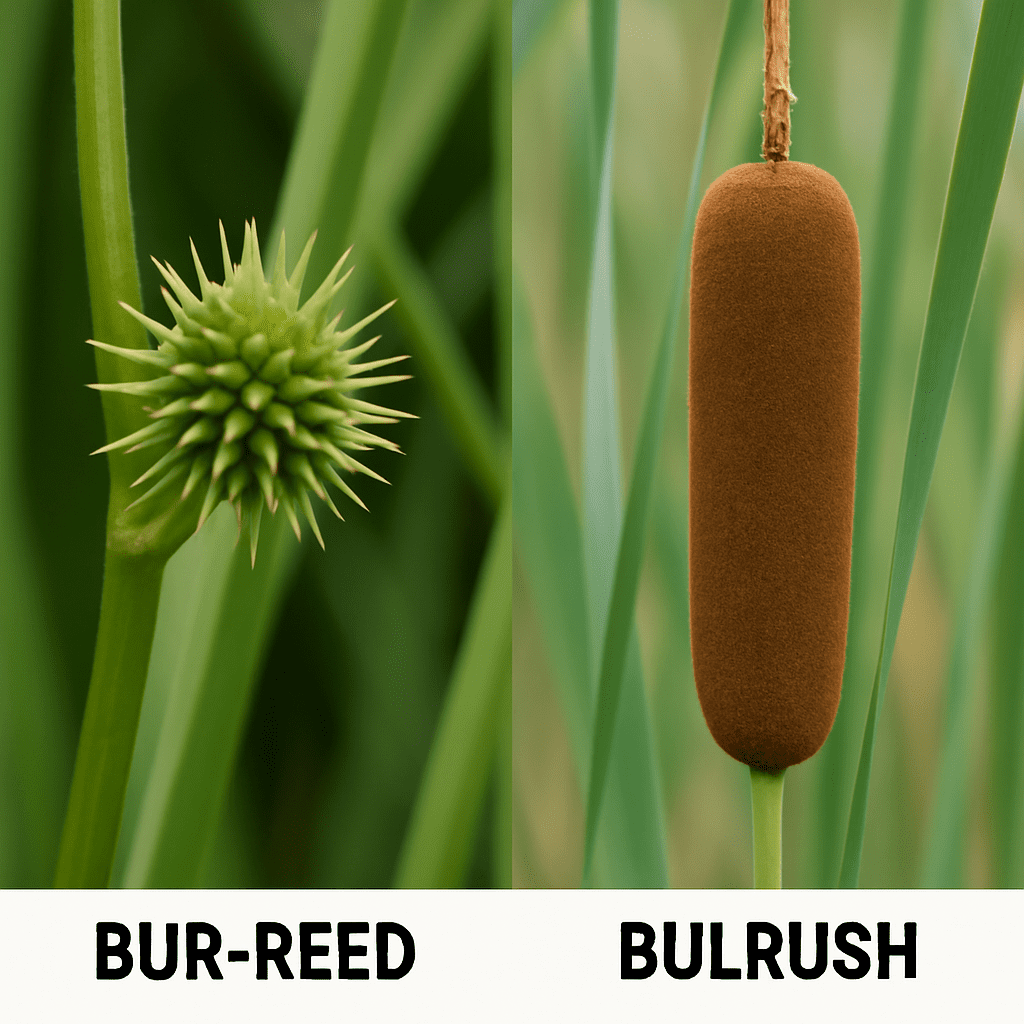
Often, we simply group all tall, green water plants along the bank under the term „reeds,“ but the difference between burr reeds (Sparganium) and cattails (Typha) is fascinatingly distinct upon closer inspection.
So you never confuse the two on the bank again, two simple checks are enough:
- The fruits: The hedgehog bladderwort bears striking, spiky green balls (the „hedgehogs“), while the cattail forms the typical brown, velvety cylinder that resembles a cigar.
- The leaves The bur reed has a stiff, noticeably V-shaped leaf with a keel on the back. The reed mace leaf, on the other hand, is soft and flat like a ribbon.
This architectural diversity in the reeds plays a huge role for local wildlife. The stable, branching foliage of the cattail offers water birds like moorhens or rails perfect and protected nesting sites. Those who want to create a valuable habitat for water birds in their own pond often intentionally choose this spiky plant. But the cattail is not only a protective host above the water's surface, it also works tirelessly deep in the mud.
Green Wastewater Treatment Plant: How Cattails Reduce Nitrates and Combat Algae
When pond water suddenly turns murky green in midsummer, it's usually due to excess nutrients. This is where the Branched Bur-reed shows its true talent as a so-called heavy feeder – a plant with an enormous appetite. As one of the most effective pond plants against algae formation, it absorbs precisely those dissolved nutrients that would otherwise fuel uncontrolled algae blooms. By using these building materials for its own prickly fruits and leaves, it literally starves the annoying free-floating algae and naturally ensures clear visibility.
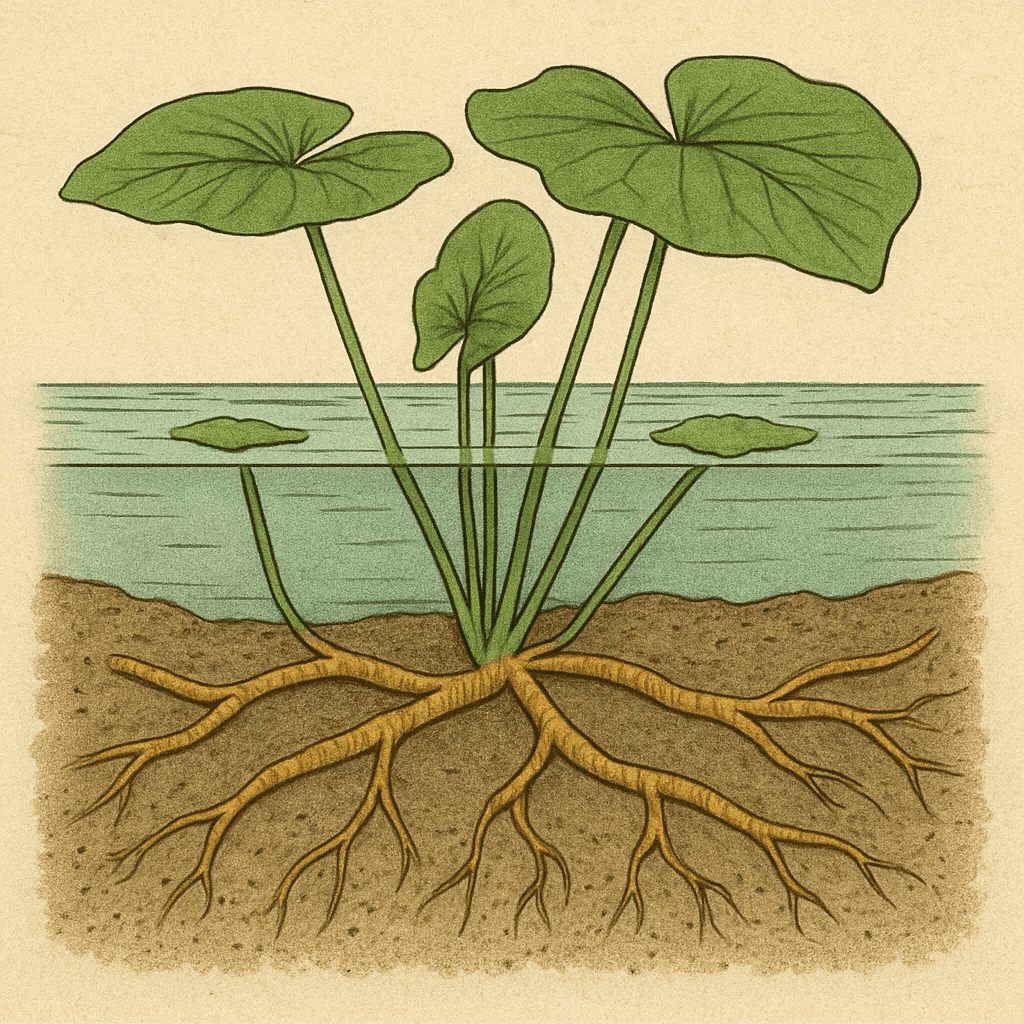
Deep beneath the water's surface, something even more astonishing is happening simultaneously. Through an extensive network of thick, creeping roots – known as rhizomes – the plant actively pumps air into the dark mud. The bur reed uses its spongy stem tissue like a tiny snorkel. This oxygen enrichment near the roots revitalizes useful bacteria deep within the substrate, which break down toxic gases and stabilize the entire body of water from below.
Such powerful aquatic plants for nitrate reduction have become indispensable helpers for the natural purification of swimming ponds. They filter around the clock, completely without electricity, and transform murky waters into healthy habitats. However, for this biological wastewater treatment plant to unfold its full potential, it must be planted correctly.
The Perfect Spot in the Garden Pond: Water Depth and Substrate for Healthy Growth
For the cattail to begin its work as a biological filter, it first needs a suitable habitat in the bank zone. Whoever is successful Branched bur-reed If you want to plant something, you should orient yourself to three basic needs of the plant:
- The perfect water level: The ideal water depth for reposition plants (i.e., helper plants that stabilize the ecological balance of the water) is between 10 and 40 centimeters.
- The right foundation: Nutrient-rich, muddy ground provides the best grip.
- The compulsory limitation: Be sure to plant this in enclosed planters to safely contain its strong roots.
This last item on the checklist is absolutely crucial if you want to keep rampant aquatic plants under control, as their underground rhizomes will otherwise rapidly take over the entire shallow water area. However, if the spread is stopped by the basket, nature will reward you with minimal effort. If you’re caring for hardy reed plants, you can sit back and relax during the cold season: simply leave the dried-out stems in place before the frost sets in, as they serve as vital gas exchange tubes for fish and frogs when the ice cover is closed.
Your path to a natural waterway: Integrating the water chestnut in a sustainable way
The next time you're strolling along a riverbank, you'll see more than just an ordinary aquatic plant. You'll recognize the Prickly Cattail as a natural, spiky protector of the waterway. Its essential role in local conservation is undeniable: it acts simultaneously as a powerful water filter and a safe nursery for life in and around the water.
Test your botanical eye on your next nature outing and specifically look for the unmistakable zigzag stems and spiky, green fruit spikes. Garden owners can incorporate this resilient plant into their bank planting to immediately promote local biodiversity and naturally clarify their garden pond.