
Care and Design with Creeping Phlox
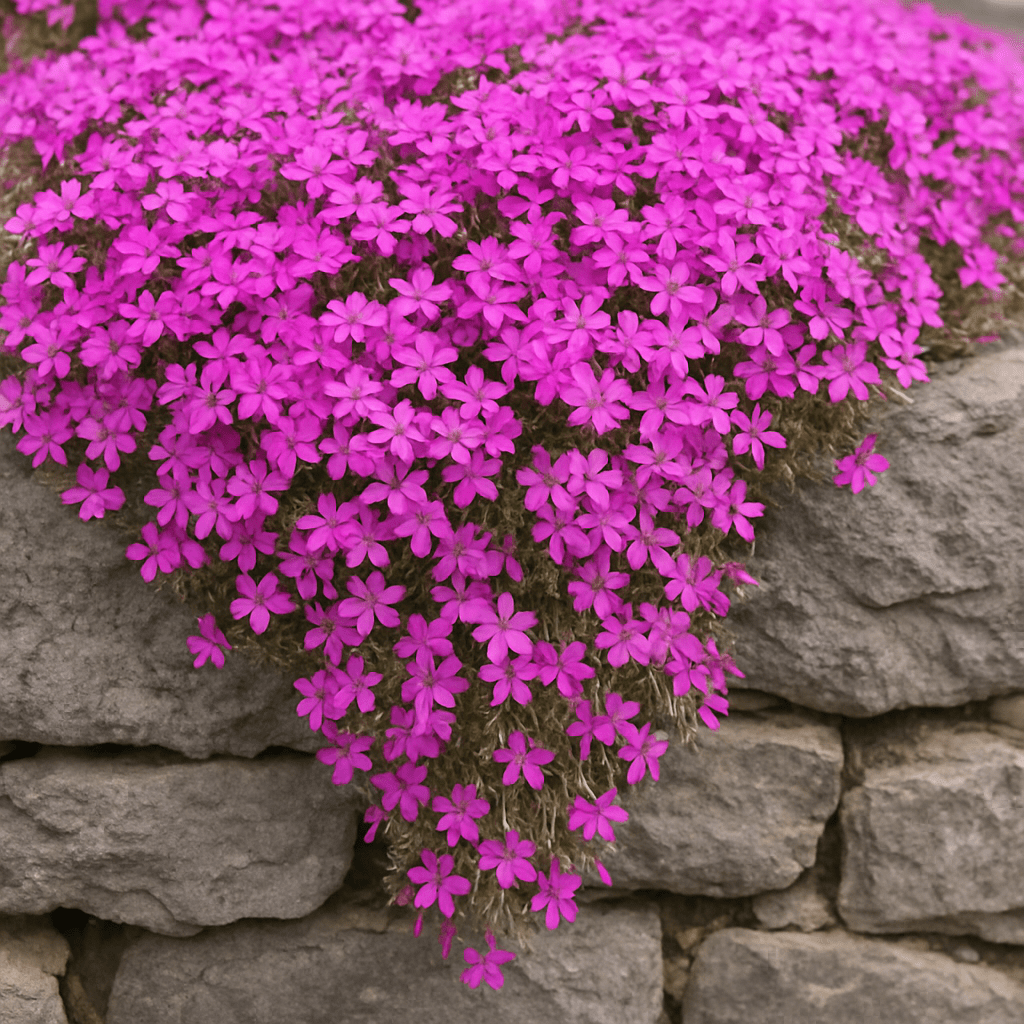
Have you ever been annoyed by bare spots on sunny walls? Just imagine how these gray stones transform into a sea of vibrant blossoms every spring. According to seasoned gardeners, creeping phlox—often called moss phlox—proves to be the ideal problem solver. Bee-friendly spring bloomers like this act as natural weed suppressors and are evergreen, meaning they retain their foliage even in frost. Thus, year-round structure is provided on dry stone walls by evergreen plants.
The perfect start: Location selection and planting distance for seamless carpets
If you dream of a dense, colorful carpet of flowers, the ideal location for spreading phlox is the first step to success. The plant is a true sun worshipper: the more light it absorbs, the more abundant its spring bloom will be. Equally important is well-draining soil, as the fine roots hate „wet feet.“ Imagine the ideal soil like a well-wrung sponge – slightly moist, but never dripping wet.
So that the individual seedlings quickly grow together into a gapless cushion, the correct technique when planting creeping phlox is important. Plan for about seven to nine plants per square meter to quickly achieve a closed area. Here's how to get started:
- Prepare the soil: Loosen heavy soil and mix in plenty of sand so excess water drains away immediately.
- Planting Maintain a planting distance of 25 to 30 centimeters between the root balls.
- Water gently: Water moderately to establish soil contact without risking waterlogging.
After the roots are established, regular care is crucial to keep the creeping phlox compact and floriferous for years to come.
Cutting tricks against baldness: How to keep your Phlox subulata compact for years
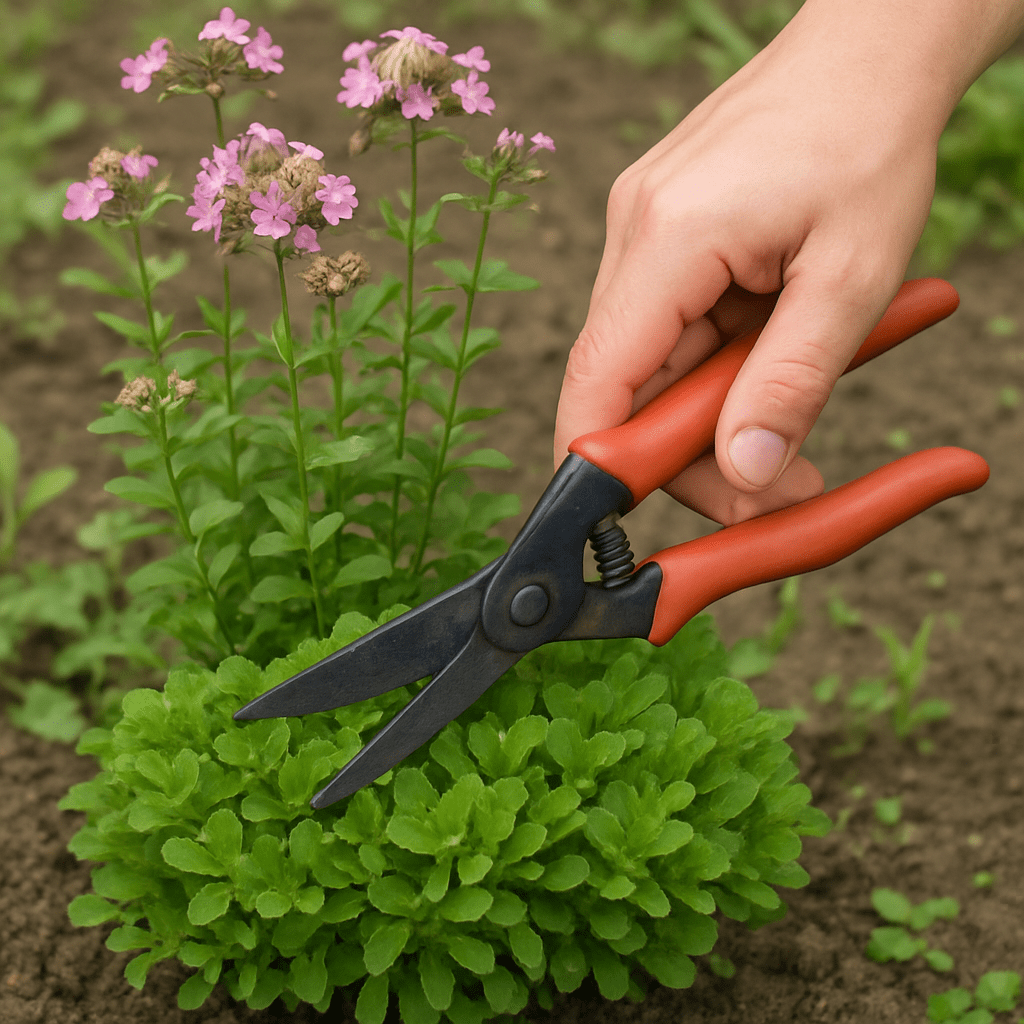
Once the magnificent spring bloom is over, phlox needs a strengthening haircut. A decisive pruning for compact growth is the most effective way to combat the most common causes for bare spots in the center of the plant. Without this trimming, the shoots will lignify from the bottom, causing the soft cushion to slowly lose its density. Therefore, reach for your garden shears immediately after the bloom has faded and trim the cushions by about half. This fundamental care forces the plant to immediately form fresh, rich green shoots that will bloom even more luxuriantly next spring.
However, after three to four years at the latest, superficial trimming alone is often no longer sufficient to maintain vitality. Then a simple rejuvenation course helps: dig out the entire root ball and divide it into several manageable pieces with your hands or a knife. This propagation by division gives the plant back its youthful vigor, so you can replant the fresh pieces immediately. In addition to proper care, combining with suitable companion plants in the bed also plays a major role.
Blooming Neighborhood: Why Aubrieta and Rock Gardens Are the Ideal Stage
With the right pruning, the flower carpet remains vital and can be excellently combined with other bee-friendly, perennial rock garden plants. These three companions are particularly well-suited for a harmonious design:
- Thrift Provide attractive, violet contrasts and complement the phlox in color.
- Sweet Alyssum Sets bright, sunny yellow accents in the spring bed.
- Stonecrop (Sedum): Offers effortless, year-round structure and compensates for bloom-less periods.
These combinations permanently transform bare dry stone walls and beds into a low-maintenance and vibrant garden scene.