
Healing effects and applications of verbena
Even in antiquity and the Middle Ages, it was considered a sacred plant that was said to heal wounds, ward off evil spirits, and even harden iron. Today, the plant, which botanists know as Vervain is known, perhaps less surrounded by myths, but all the more appreciated in modern natural medicine and garden design.
Whether you're looking for a robust ornamental plant for your flower bed or want to utilize the healing properties of a traditional herb, verbenas and veronicas offer a fascinating spectrum of applications. In this comprehensive guide, you'll learn all about their health benefits, proper garden care, and how to harness the power of this special plant for yourself.

Clarifying the terminology jungle: Common Vervain vs. Lemon Verbena
Anyone interested in medicinal and garden herbs quickly stumbles upon different designations that are often used synonymously but botanically refer to different plants. You often read the word combination Eisenkraut verbena, but what exactly is behind it?
The verbena family (Verbenaceae) is large. If we speak in the traditional medicine sense of Vervain speak, we usually mean true vervainVervainIt is a native, rather inconspicuous plant with small, pale purple flowers and toothed leaves.
A common misunderstanding concerns the topic of Lemon Verbena vs. Lemon Balm.
- The Common VervainVervain): Tastes tart and bitter, has almost no aroma, and is used almost exclusively for medicinal purposes.
- Lemon verbenaLemon verbena): Originally from South America, it exudes an intense, wonderfully fresh lemon scent and is the undisputed star for aromatic homemade tea blends or desserts.
So if you order a delicious „verveine“ tea at a French café, you'll get the lovely infusion of lemon verbena. However, if you buy verbena at the pharmacy for medicinal purposes, you'll get Vervain.
The Hidden Treasures: Verbena officinalis Ingredients
The fact that true vervain has been valued in herbal medicine for centuries is due to its complex chemical composition. The most important Verbena officinalis active ingredients making the plant a true all-rounder:
- Iridoid glycosides (verbenalin and hastatoside): These secondary plant compounds are primarily responsible for the calming and antispasmodic properties.
- Bitter substances They stimulate the production of stomach and bile juices. In general, they play Tannins and bitter compounds in plants an essential role for healthy digestion and protecting the intestinal lining.
- Flavonoids Highly effective antioxidants that scavenge free radicals and support the immune system.
- Essential Oils: In real verbena, they only occur in small amounts but support the antibacterial effect.

Healing effects of verbena: more than just a myth
Thanks to its ingredients, verbena has earned a firm place in phytotherapy (herbal medicine). However What is vervain tea good for? The application areas are astonishingly diverse.
Airway clearance
The Eisenkraut effect is especially in demand during the cold, damp season. Verbena has a mild but effective Expectorant effect for colds. It helps to liquefy stubborn mucus in the sinuses and bronchi, which is why extracts of the plant are also often found in well-known herbal medicines for sinusitis (inflammation of the nasal sinuses).
Relaxation and Sleep
Stress, inner turmoil, and racing thoughts deprive many people of sleep. Nature offers gentle help here. An infusion of lemon verbena is considered Natural remedy for sleep problems. The contained iridoid glycosides have a calming effect on the central nervous system without leaving the dreaded „hangover“ effect of synthetic sleeping pills the next morning.
Anti-inflammation and digestion
The Health benefits of verbena tea also extends to the gastrointestinal tract. The stimulating bitter compounds alleviate feelings of fullness. Furthermore, vervain joins the list of herbs that are suitable for Anti-inflammatory teas Applied externally as a compress, the cold tea infusion can even provide relief for mild skin inflammations, cuts, or insect bites.
How to prepare medicinal verbena tea
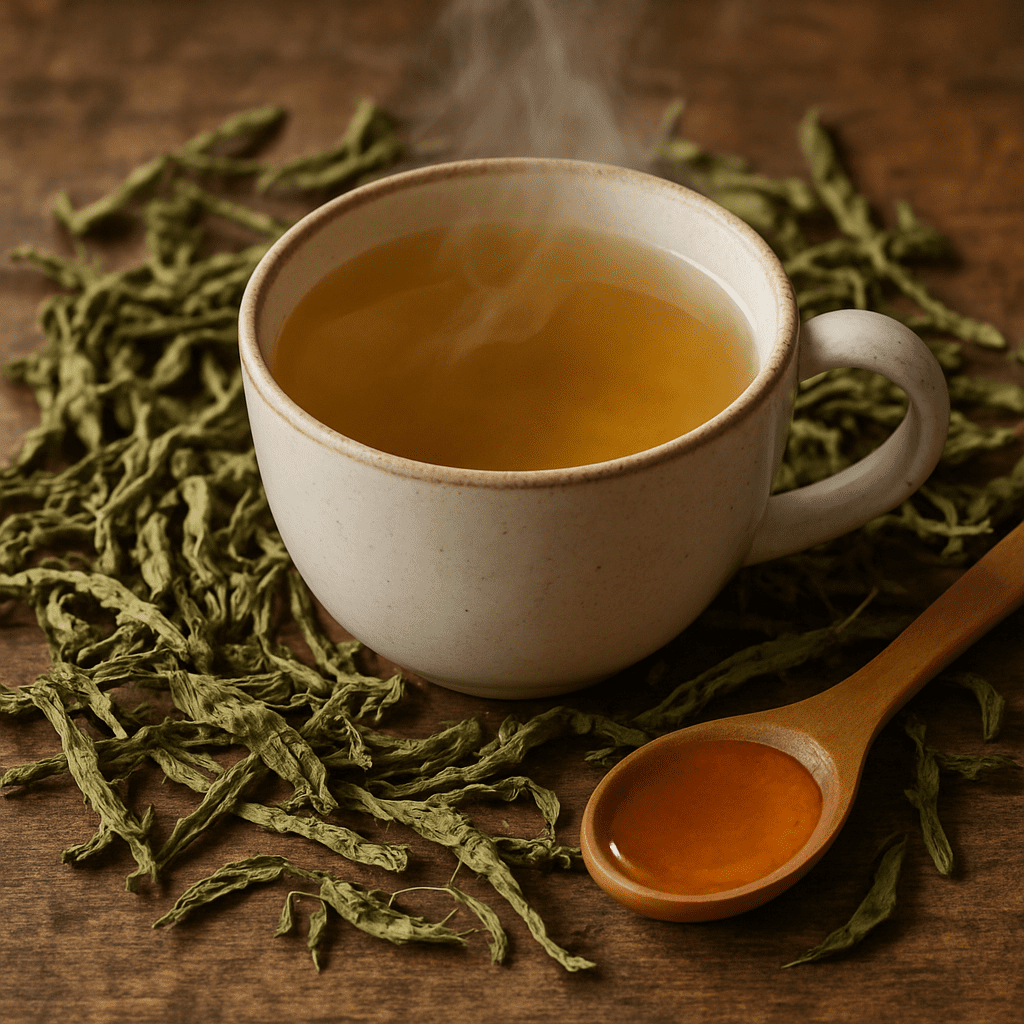
A medical verbena tea Real Verbena is simple to prepare, but requires some getting used to the taste due to the bitter substances.
- Take 1 to 2 teaspoons of dried lemon verbena.
- Pour 250 ml of boiling water over the herbs.
- Let the tea steep, covered, for 5 to 8 minutes.
- Strain and drink in small sips (up to 3 cups daily). Tip: Those who want to soften the tart taste can excellently sweeten the tea with honey or mix it with chamomile and peppermint.
Growing verbena and vervain in your own garden
In addition to its healing properties, various verbena species have also captured the hearts of gardeners. Especially the Patagonian vervainVerbena bonariensisis an indispensable part of modern garden design.
Patagonian Verbena Location and Care
The Patagonian vervain impresses with its delicate, long stems (often up to 1.50 meters tall), at the ends of which purple flower clusters float. It brings lightness to any perennial border.
For the topic Patagonian Verbena Location and Care gilt
- Location: It loves full sun. The sunnier the spot, the more abundant the bloom.
- Floor Permeable, moderately fertile, and rather dry. The plant does not tolerate waterlogging at all.
- Care The plant is extremely hardy. Pruning is only done in spring, as the dried seed heads look magical in winter and offer food to birds.
Is verbena cold hardy?
The question “ Is verbena cold hardy? “cannot be answered definitively, as it depends on the variety:
- Common vervain (Verbena officinalis): Yes, this native wildflower is absolutely hardy in our latitudes.
- Argentinian Vervain (Verbena bonariensis): Conditionally. In mild regions it survives the winter, but in severe frosts the mother plant dies. However, it propagates itself excellently through self-seeding.
- Lemon verbena (Aloysia citrodora): No. It can tolerate light frosts down to a maximum of -5 degrees Celsius.
Would you like frost-sensitive Overwintering verbena in pots, Before the first frost, place the plant in a cool, bright location (approx. 5 to 10 degrees Celsius), such as a sunroom or a cool staircase. In winter, water very sparingly so that the root ball does not dry out. In spring, the plant should be pruned back vigorously to encourage bushy new growth.
Sowing and propagating verbena
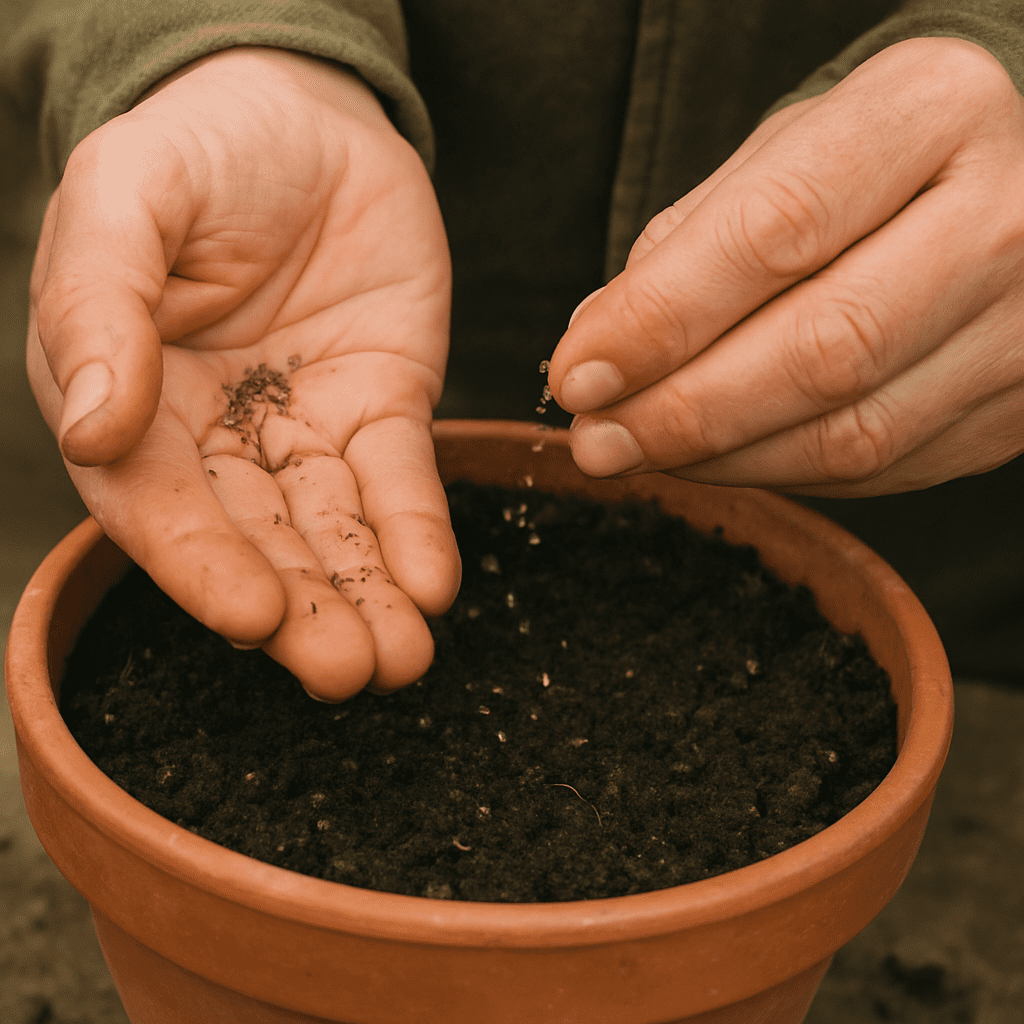
Anyone who wants to increase their inventory can Sowing and propagating verbena. Both common vervain and Patagonian vervain can be cultivated excellently from seed.
- Time Sow indoors on a warm windowsill from the end of February or sow directly outdoors from May.
- Light germinator Cover the seeds with a minimal layer of soil or not at all. Simply press them down lightly.
- Moisture The soil should be kept evenly moist, but not wet. The first seedlings will appear after only two to three weeks. As soon as there is no longer any danger of frost, the young plants can be moved to the garden bed or a pot.
A paradise for beneficial insects
Verbenas are not only a feast for the eyes but also ecologically extremely valuable. They are among the best plants if you Insect-friendly balcony plants Search. The purple flower heads attract bees, bumblebees, and hoverflies from early summer to deep into autumn.
Above all, the Patagonian verbena is an absolute Butterfly magnet for the garden. On sunny days, you can often observe countless brimstone butterflies, peacock butterflies, and small tortoiseshells feasting at the nectar-rich buffet.
Harvest time and gentle drying
Those who wish to harvest genuine vervain for their pantry should choose the right moment. The optimal Harvest time for medicinal herbs usually occurs shortly before or during full bloom, as the concentration of valuable ingredients is highest at this time.
For verbena, this period falls within the months of July and August.
- Time of day Harvest on a dry, sunny morning. Wait until the morning dew has completely dried, but before the midday heat makes the essential oils volatile.
- Cut Cut off the top third of the plant with clean pruning shears.
- Drying: Tie the stems into small bunches and hang them upside down in a breezy, shady spot. Alternatively, you can spread the plant parts out on a cloth. Direct sunlight during drying should be avoided, as it destroys the valuable active ingredients.
Once the stems snap easily when bent and the leaves rustle, the verbena is dry. Strip off the leaves and flowers and store them in airtight, opaque jars or tins. This way, the herb will retain its healing properties for many months.
Conclusion: The Versatile Power of Verbena
Whether as a traditional medicinal herb that helps us breathe easier during colds and gently lulls us to sleep, or as an architectural structural plant that attracts butterflies in droves: Verbenas and vervains are true enrichments for anyone who loves nature.
Distinguishing between the wholesome yet tart lemon verbena, the fragrant lemon verbena, and the delicate South American verbena will help you choose the right plant for your needs. Give it a try – plant these undemanding survivors in your garden or on your balcony, enjoy the lively buzz of insects, and brew a soothing cup of tea on a cool evening. Nature holds the best recipes for our well-being, and verbena is undoubtedly one of its masterpieces.